

Introduction: "I've had the time of my life..." – a dance between eras
Remember that moment in Dirty Dancing when the classic, composed "Baby" meets the wild, modern Johnny? Or when you had Perfect and Prodigy side by side on a single TDK cassette mix (a '90s one, of course!) ? It was a mashup! The old and the new, blended into something exciting and... surprisingly harmonious.
Today, as adults in our 30s and 40s, we ourselves live in this kind of dance-like limbo. On the one hand, we have a deep fondness for our idyllic childhoods —the smell of Grandma's apple pie, the softness of old armchairs, and the feeling of absolute safety. On the other, we live fast-paced lives, work remotely, and value functionality. and clean lines that we saw in Carrie Bradshaw's New York apartments.
What to do when your heart yearns for coziness and your mind for minimalism? The answer is: Transitional Style.
This isn't a compromise. It's the creme de la creme of both worlds. It's a bridge that allows your nostalgic memories to pass seamlessly into modernity. This is a style for those who know they don't have to choose. For those who want more – more comfort, more character, and more of themselves in their own home.
Part 1: What is Transitional Style? (And Why Isn't It Just Anyhow?)
Before we begin, let's debunk a myth. Transitional style isn't "let's throw everything into one basket and see what happens." It's not an eclectic chaos where a Louis XVI armchair and a Pulp Fiction poster end up side by side .
Transitional is the art of balance. It's the Switzerland of design—neutral yet incredibly sophisticated. It's a style that takes the best of classics (elegance, rich textures, a sense of solidity) and combines it with what we love about modernity (simplicity, clean lines, functionality, lack of clutter).
Think of it as the perfect '90s remix . You take a classic, timeless vocal (like Ewa Bem's) and layer it over a modern, fresh beat (like Molesta's ). The result? A track that respects the past but fits perfectly into the present.
A transitional interior is a place of peace and balance . It doesn't scream or overwhelm. It envelops you. It's like your favorite cashmere sweater – it may seem simple, but you feel luxurious and at ease in it. It's a style that never ages. Like The Shawshank Redemption – you can watch it year after year and it still makes an impression.
Part 2: The foundations of style – the color palette and the magic of textures
Before we move on to the furniture, we need to build the stage. In transitional style, the stage is as important as the actors.
Color Palette: "Paint it, Black"? More like "Paint it, Beige!"
Forget the flashy colors of Spice Girls music videos or the neon signs of Miami Vice . The foundation of transitional style is earthy tones and natural colors .
-
Base: This is a kingdom of beige, gray (from dove gray to graphite), cream white, taupe (gray-brown), and shades of sand. Think of the colors found in nature—they evoke a sense of calm . This is the canvas on which we will paint. Our furniture, for example, in "Cashmere" or "Porcelain Beige" finishes, perfectly reflects this philosophy.
-
Accents: Does that mean boring? Absolutely not! Accent colors are definitely recommended, but they should be deep and saturated, not garish. Think navy blue (like the Smolik album cover ), deep bottle green (like the forests in Twin Peaks ), or rich burgundy.
Materials: The softness of velvet and the rawness of metal
This is where the real "dance" begins. Transitional style loves tactile contrasts. We combine the soft and traditional with the hard and modern.
-
Classics: Velvet, velour, linen, cotton, wool, and natural wood create a sense of comfort .
-
Modern: Metal (especially in matte, black or brushed finishes), glass, stone, lacquered surfaces.
How to combine them? Imagine a soft, velvet sofa on straight metal legs. Or a solid wooden table surrounded by chairs with a lightweight metal frame. That's the bridge.

Part 3: Furniture – the main characters of your story
Furniture in a transitional style is the main character. It carries the entire story. It should be solid and comfortable (like grandma's), but without unnecessary ornamentation and flourishes (like a modern loft).
Sofa: Rachel and Ross's Throne
The heart of every home. In a transitional style, the sofa is large, comfortable, and inviting. It's where you'll spend hours watching Friends for the tenth time or listening to music.
-
Shape: Simple, clean lines (modern), but with soft, comfortable cushions (classic).
-
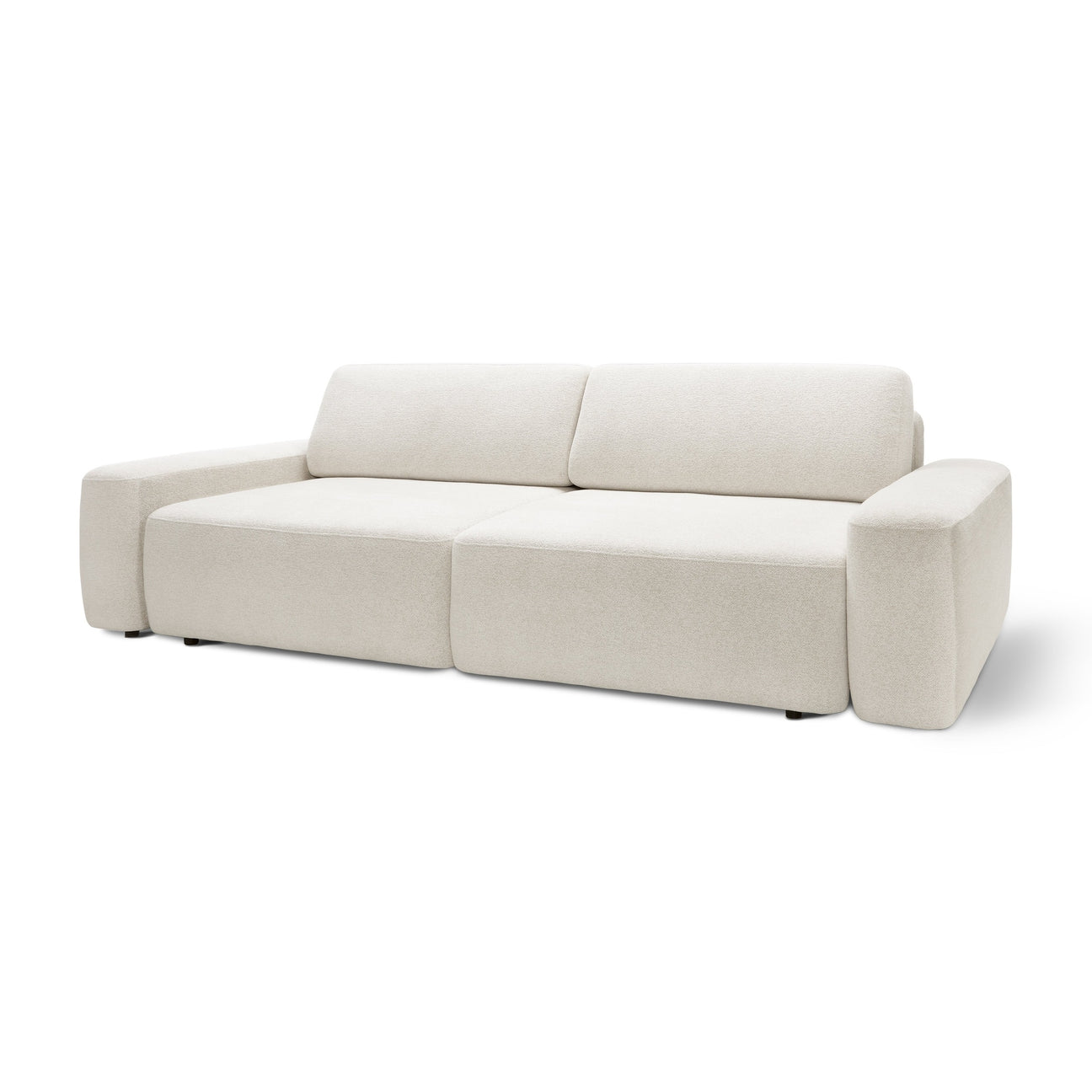
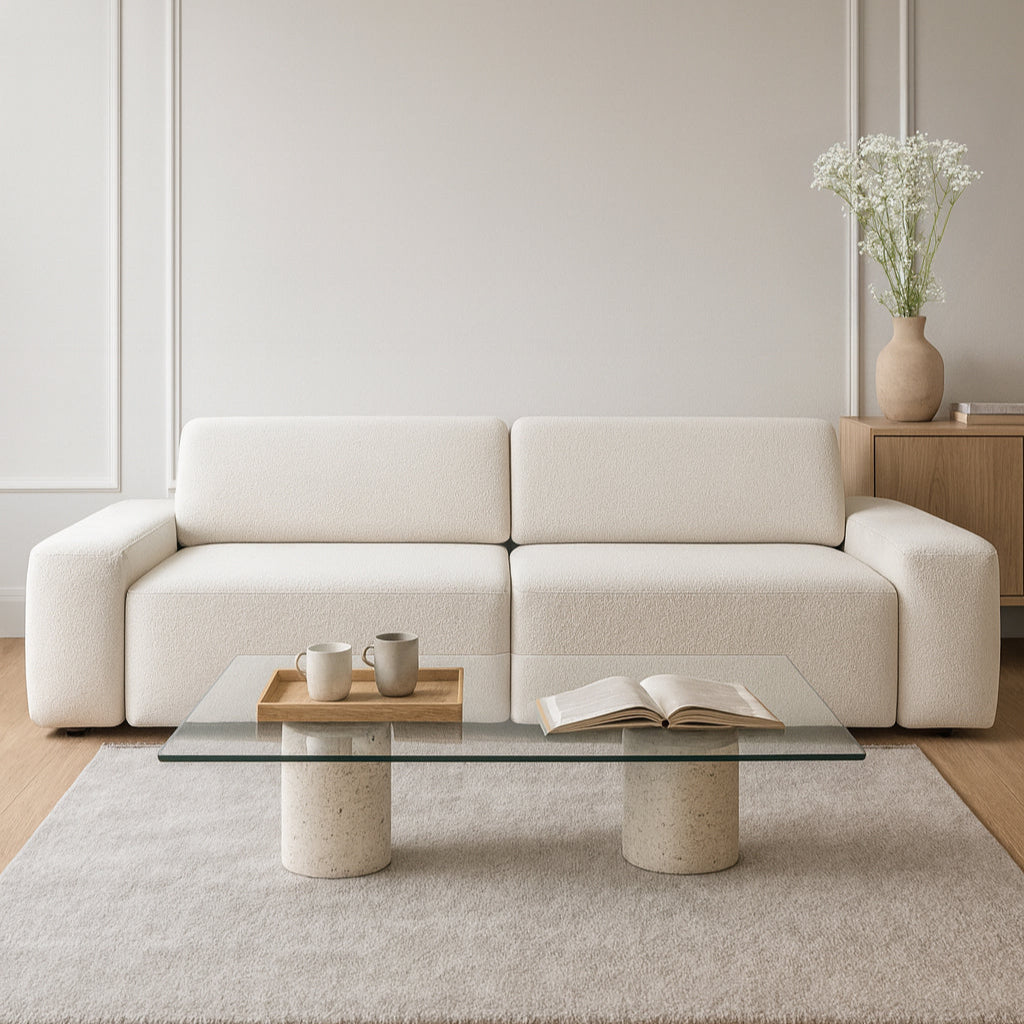
Our Type: The Agi Corner Sofa with Sleeper Function is perfect for this purpose . It has a simple, modern design, but is incredibly comfortable. Or the Camellia Sofa – its subtle curves evoke a classic style, yet the overall feel is light and fresh. It's the perfect "sofa full of memories, ready for new ones."
Armchair: Your Private "Piece of Floor"
Everyone needs their own space. Their own throne where they can read a book in peace or simply be alone (the solution to the problem of lack of time for themselves ).
-
Shape: Here we can afford a more classic style. A wingback armchair is a perfect choice.
-
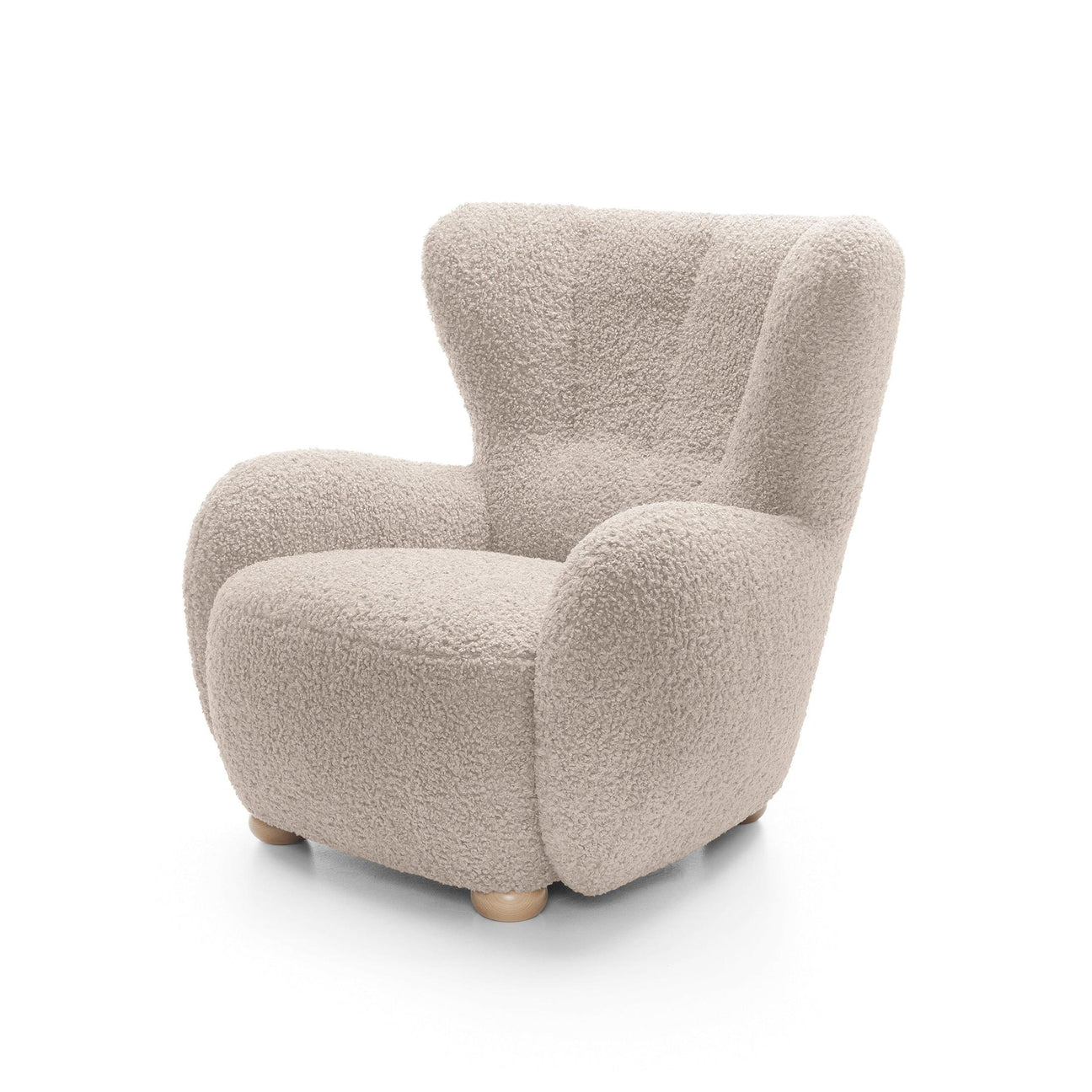
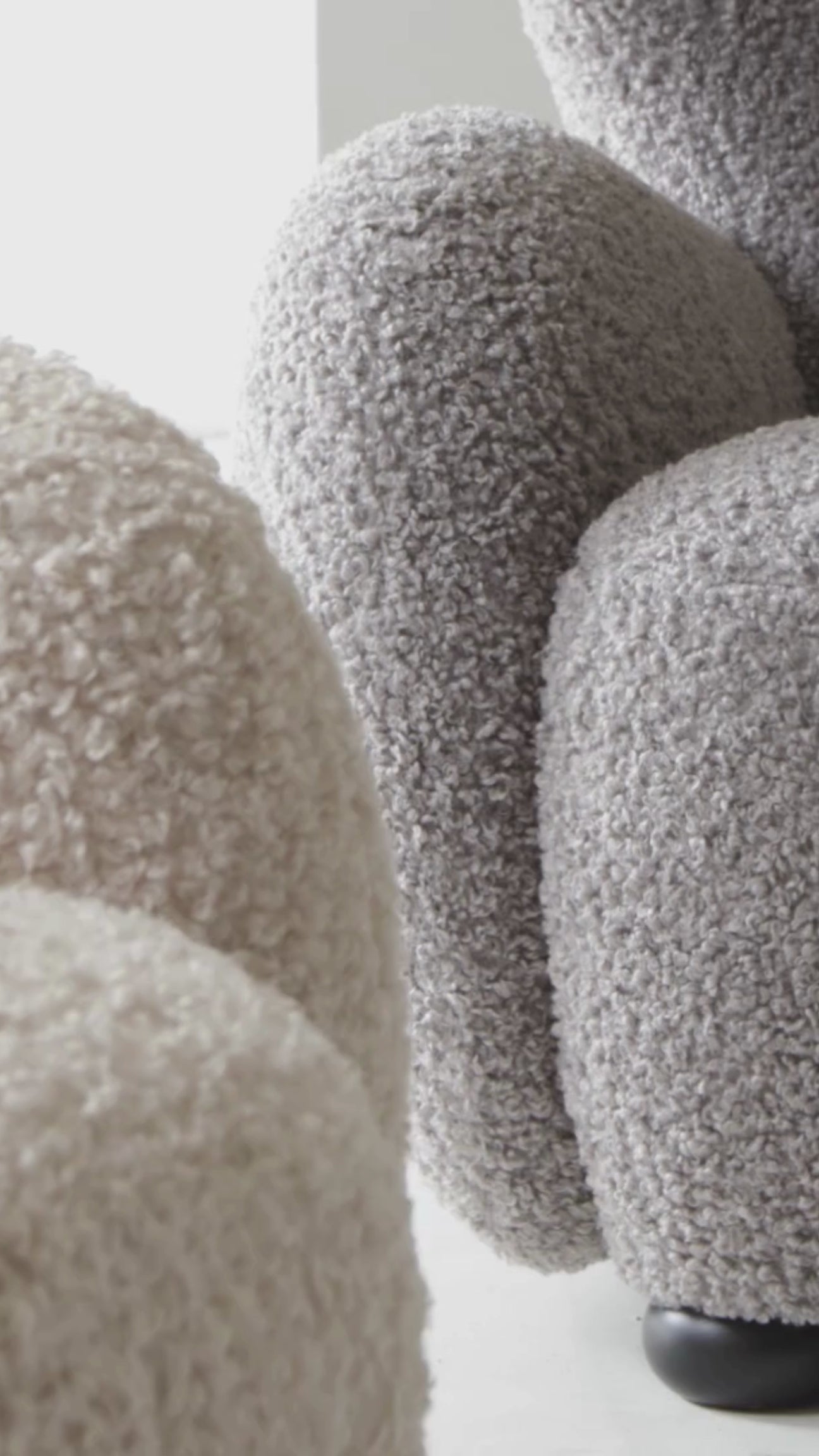
Our Tip: The Tedi armchair is the quintessence of transitional style. Its classic, enveloping "eared" shape provides an incredible sense of comfort and security, yet its lines are simplified, and its legs are light and modern. It's a piece of furniture that says, "You are someone," "You deserve to rest."
Storage: Where to Hide VHS Tapes (and Bills)
Gone are the days of heavy, communist-era wall units that took up an entire wall. Transitional style storage is discreet and elegant.
-
Form: Simple shapes, but with subtle detail – this can be delicate milling, interesting handles (but not crystal ones!) or visible wood texture.
-
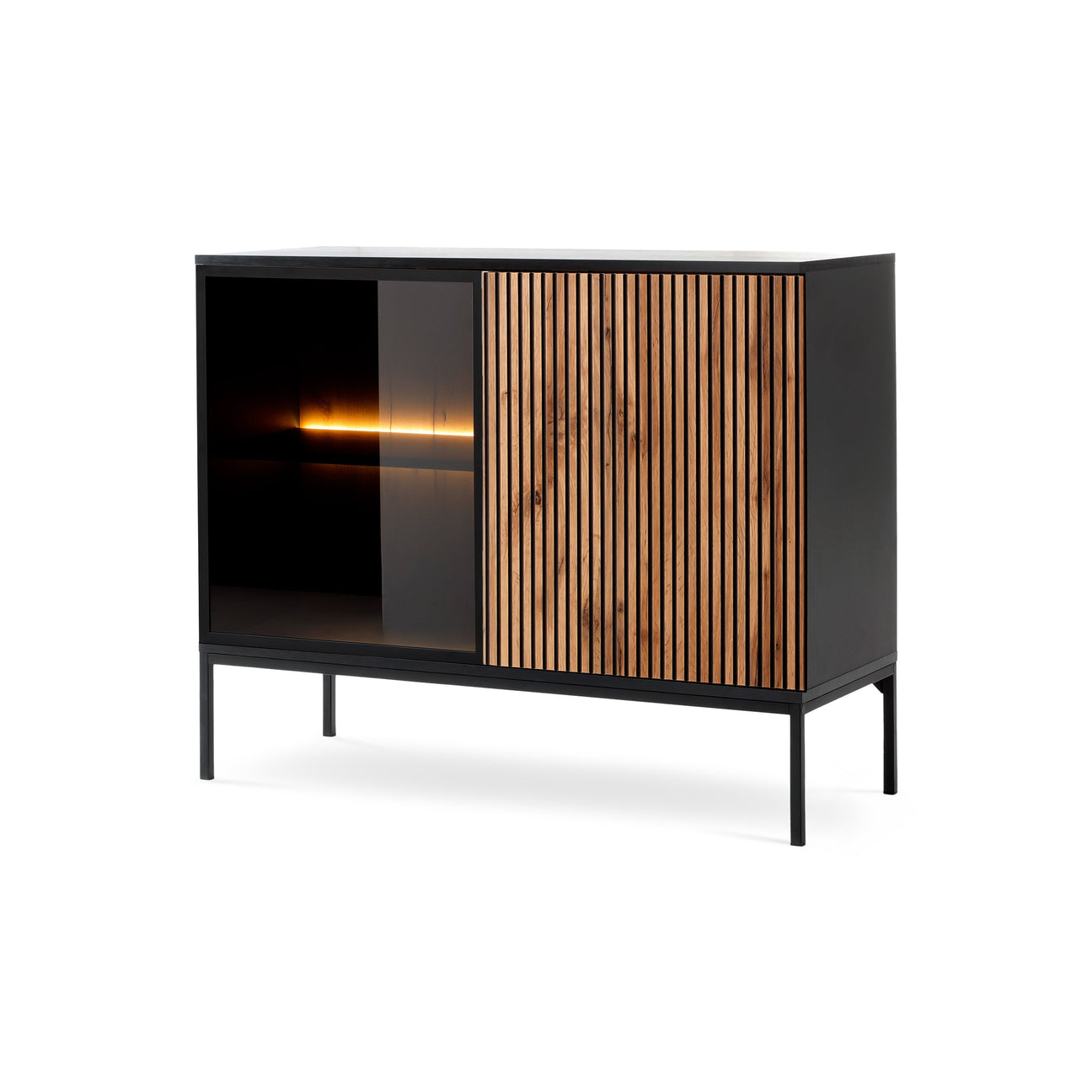
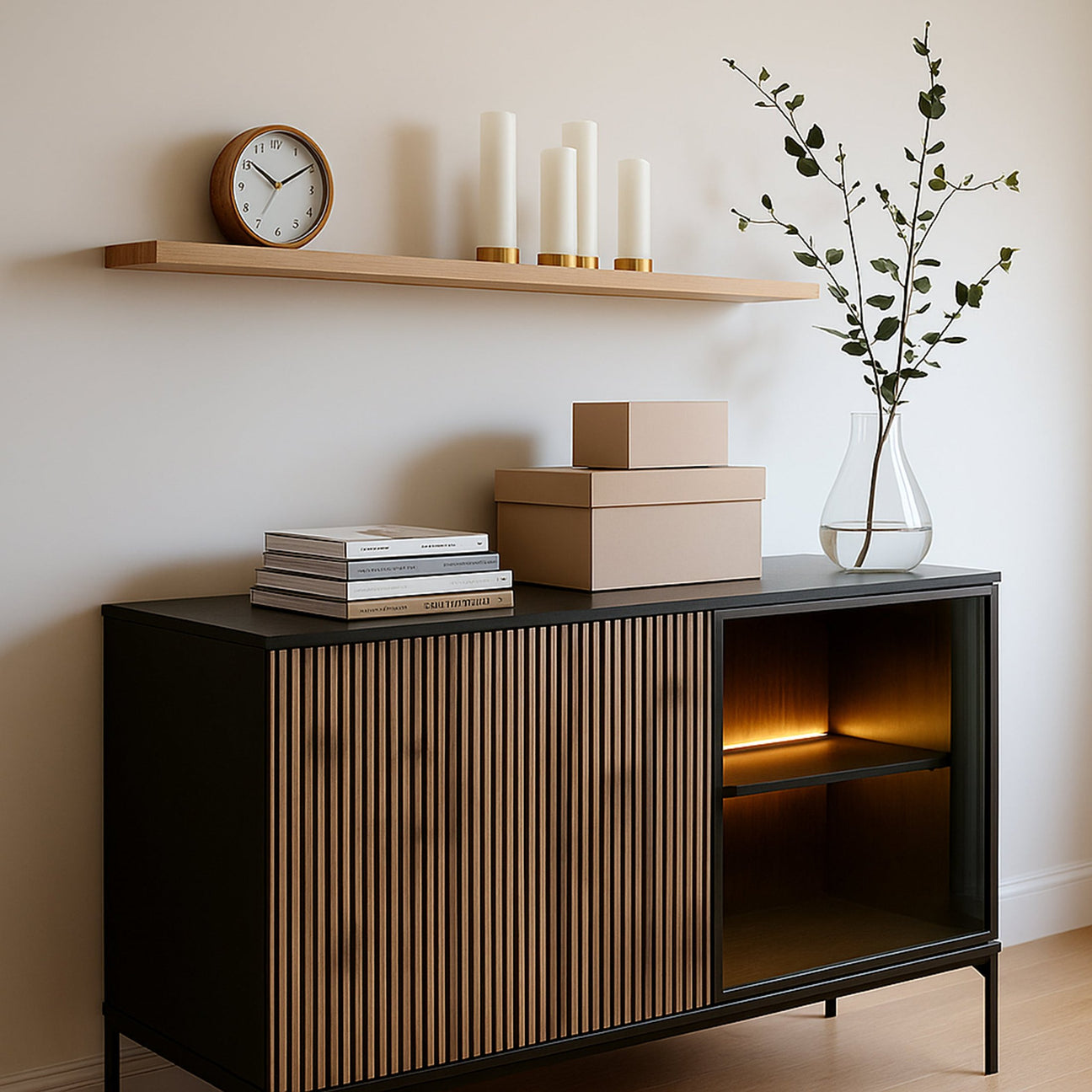
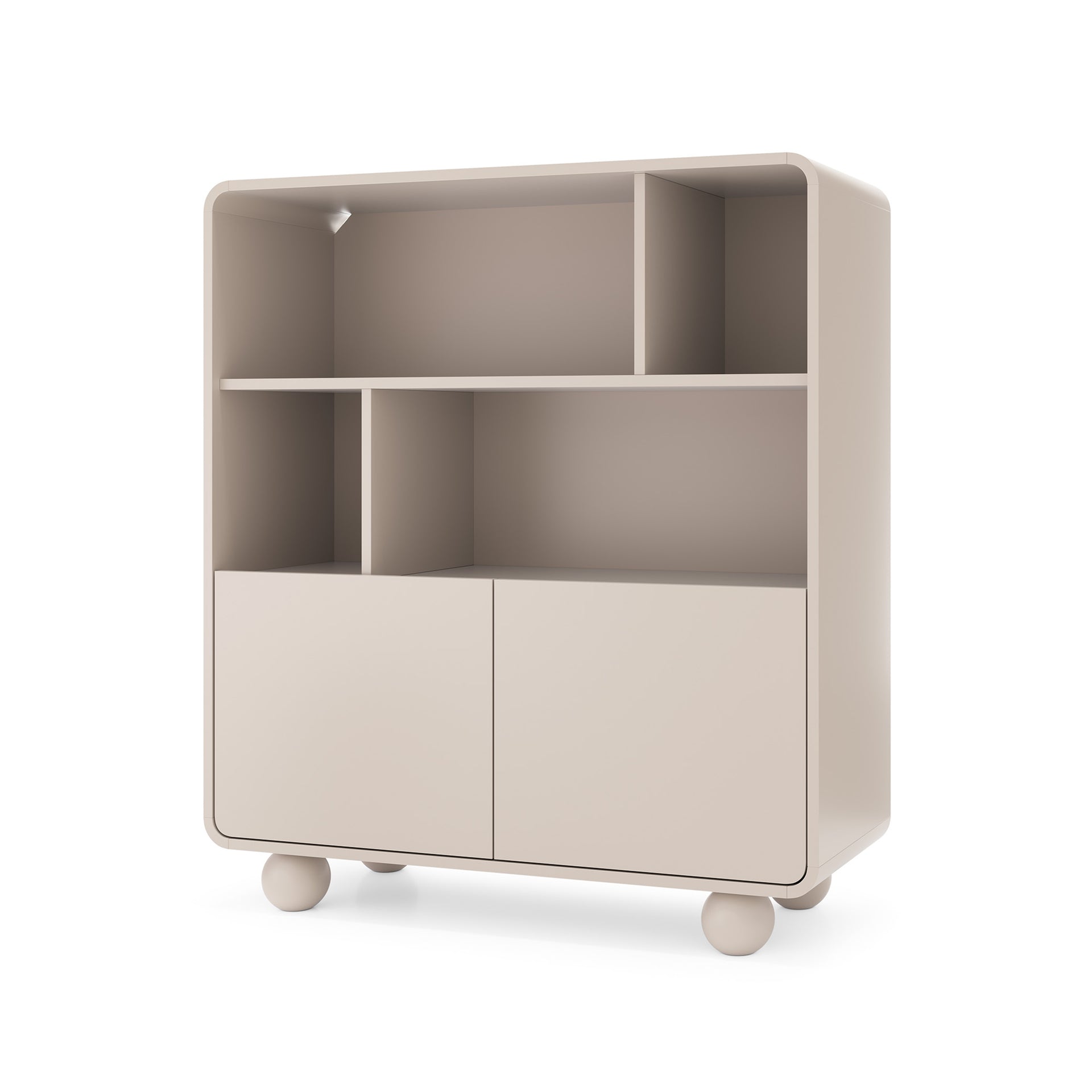
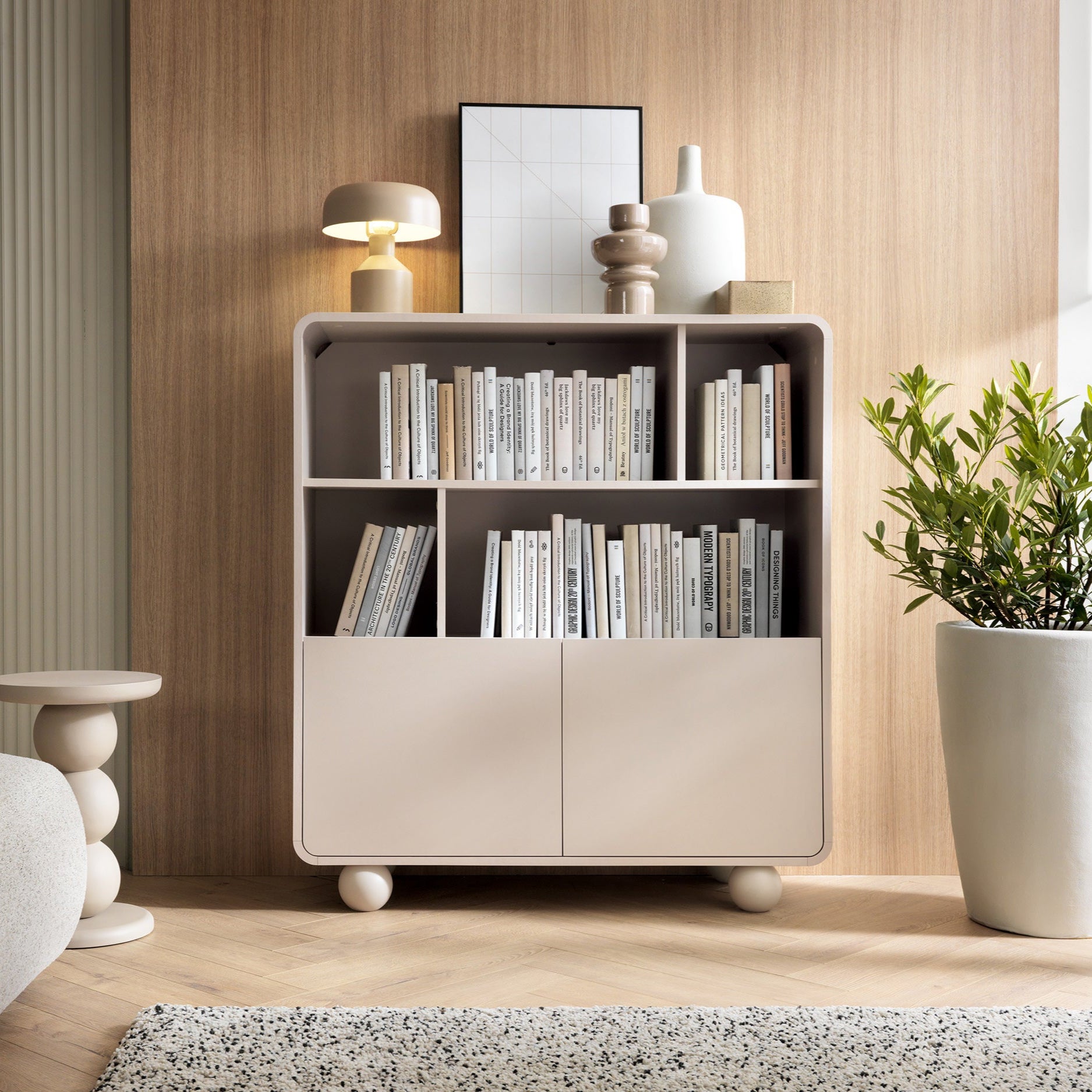
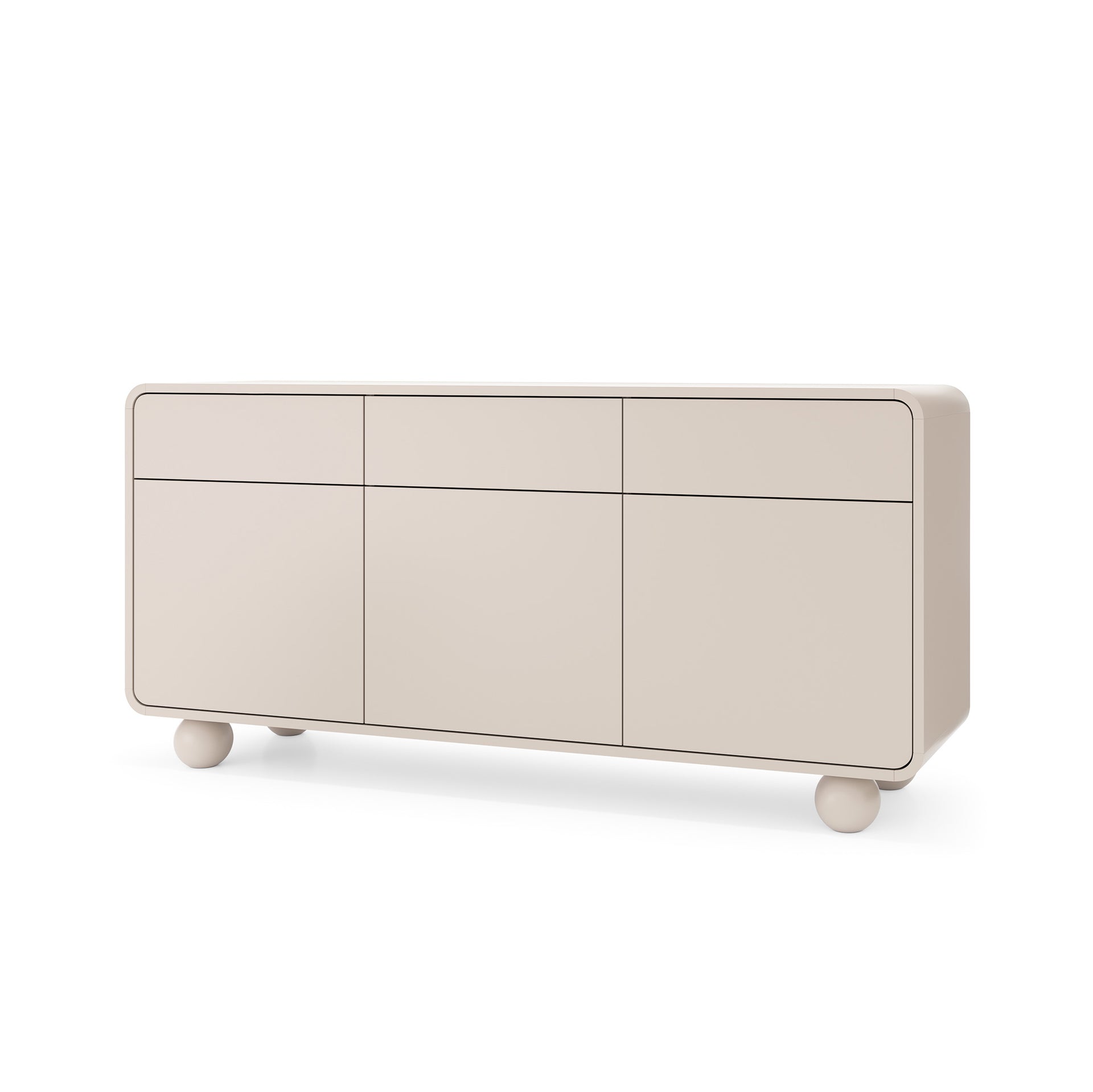
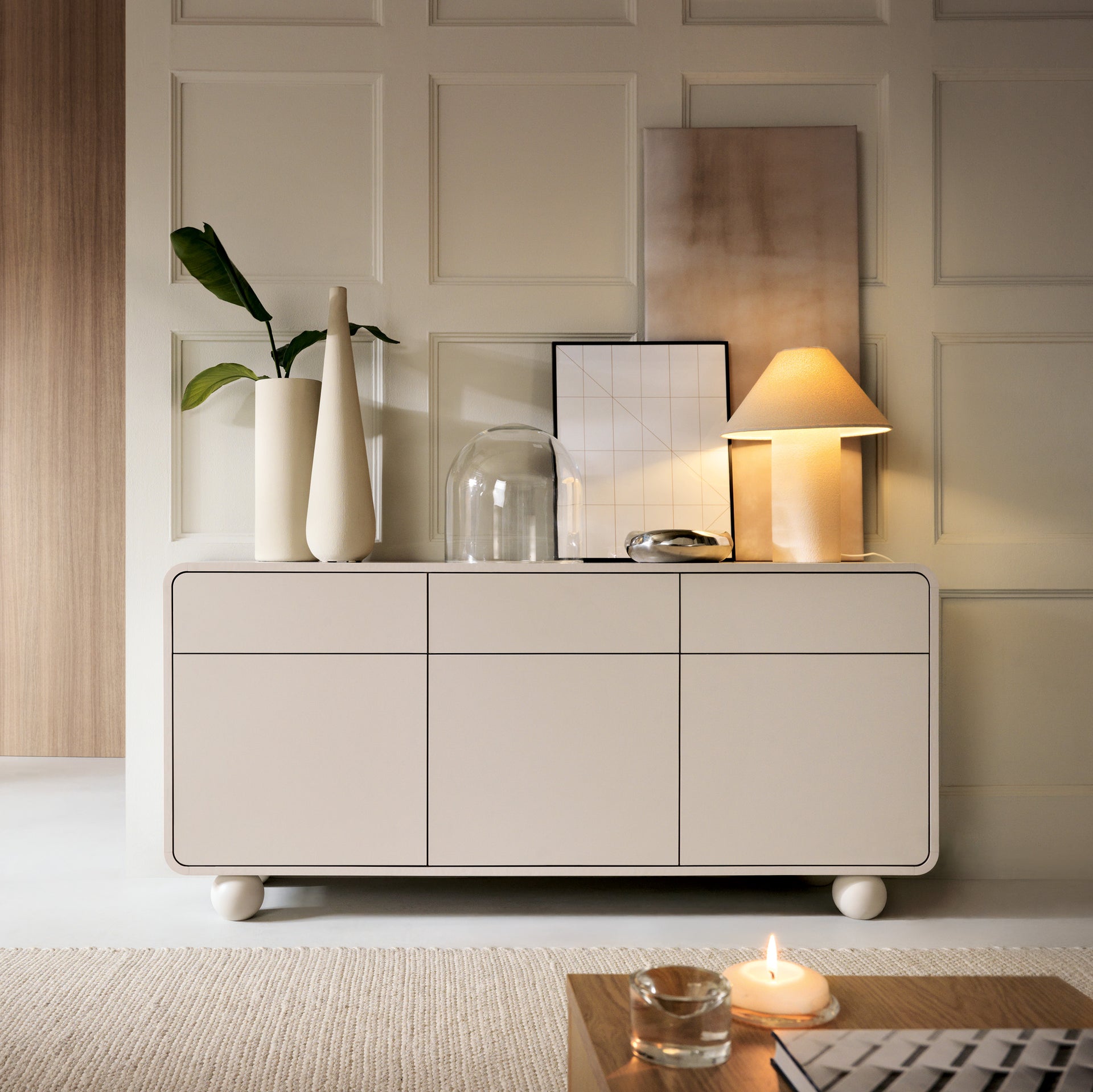
Our Pick: The entire Sabi Collection , especially the Sabi 154x84 Chest of Drawers . It combines the natural look of wood (Linea Oak) with a modern, smooth finish (Cashmere). It's a piece of furniture that brings warmth to your home , yet is incredibly functional .
-
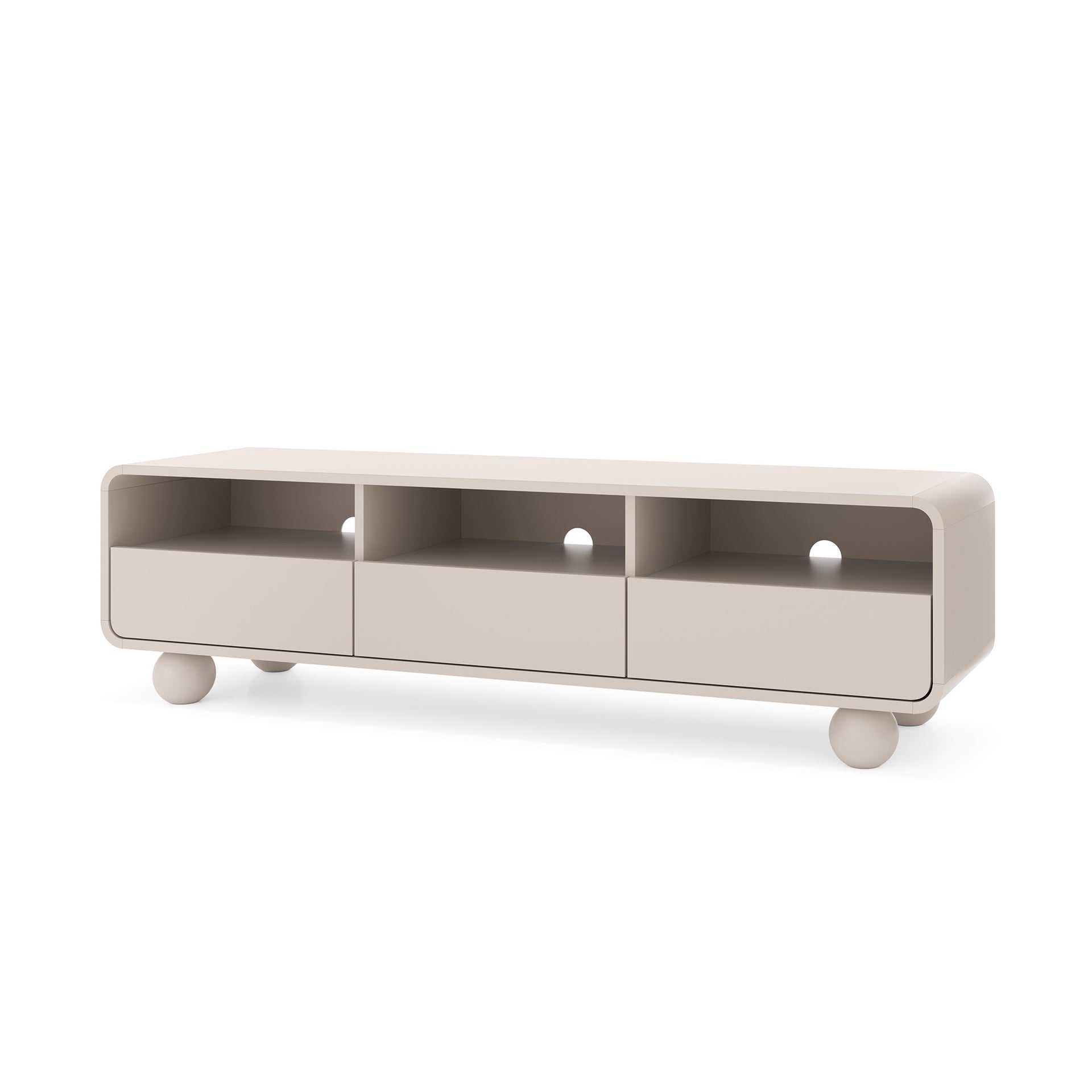
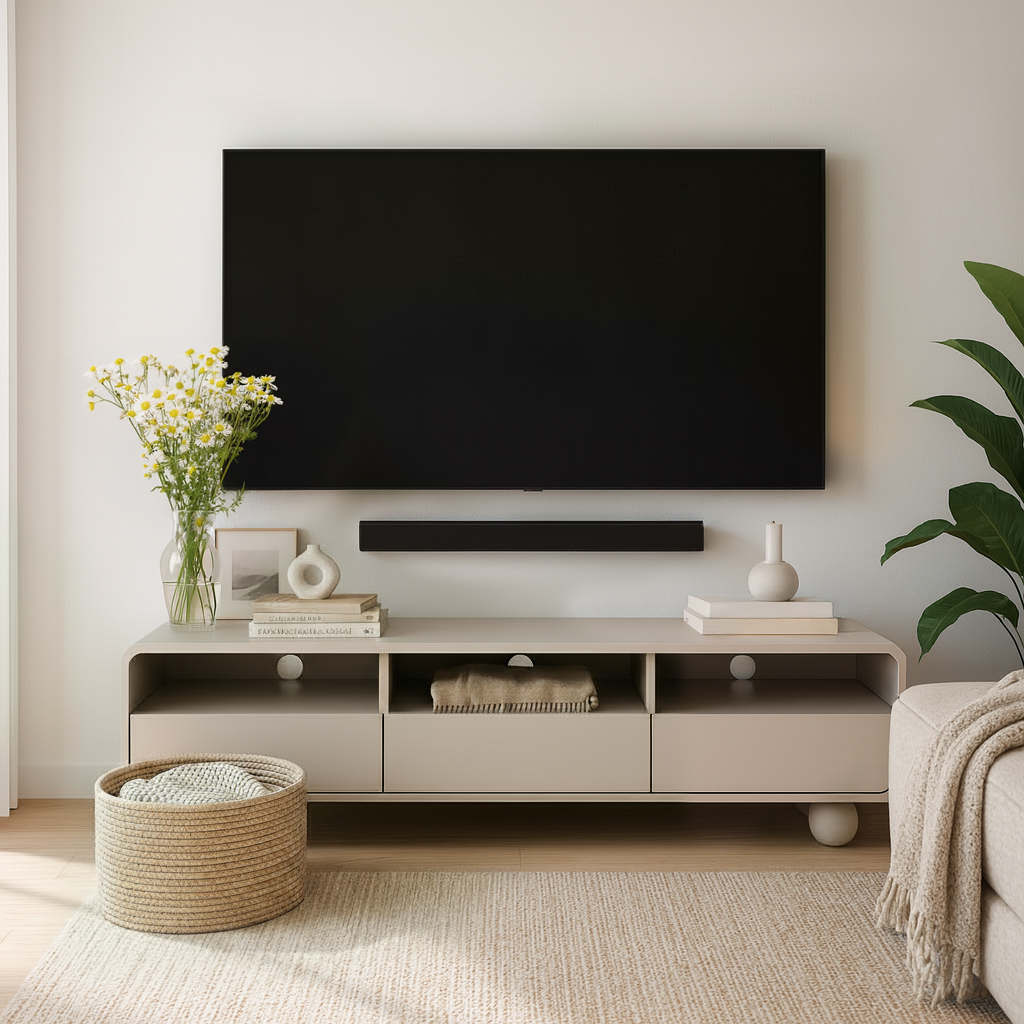
The Ballo TV Cabinet will be perfect for multimedia fans – its minimalist design will perfectly hide cables while showcasing your movie collection (maybe even Pulp Fiction on DVD?).
Table and Tables: Central Perk in Your Living Room
These are meeting places. This is where, like Central Perk or MacLaren's Pub from How I Met Your Mother , life happens.
-
Shape: Solid but not heavy. Wooden top (classic) on straight metal or wooden legs (modern).
-
Our Tip: The Gorky Table is a perfect example. And for the living room? The Rose Coffee Table . It has a clean, modern design, but thanks to its availability in various finishes (like Cashmere or Labrador Green), it brings a calm and natural feel to the interior.
Part 4: The Bedroom – Your Private Oasis of Peace (Even If the Kids Are Banging on the Door)
The transitional style is perfect for the bedroom. It's meant to be your sanctuary of relaxation, a place where you recharge after a challenging day.
-
Bed: The star of the show. It has to be comfortable. Upholstered beds reign supreme in the transitional style. A soft headboard (classic) in a simple form, for example with geometric quilting (modern).
-
Our Pick: The Mevy Upholstered Bed with Storage . This is it. The headboard is soft and comfortable, perfect for an evening of Harry Potter reading (again!), while the simple frame and functional storage unit are pure modernity. Available in dozens of fabrics, from "Sand Melanj" to "Forest Fleece," it allows for perfect personalization .
-
Extras: Place the Rose Nightstand next to the bed to complete the set.

Part 5: Extras – The Icing on the Cake and Your Story
This is the moment. The foundations are in place, the furniture is in place. Now it's time to personalize. – to show off your true self . The transitional style is minimalist in its accessories, but those that are there are important.
-
Lighting: A lamp is the jewelry of an interior. Choose a modern, metal floor lamp with a simple shade and place it next to a classic armchair.
-
Art and Pop Culture: This is where you can go wild. Hang a framed poster of Killer , Dogs , or Amelia . Put a Depeche Mode photo album on the coffee table . These are stories about you , about your generation.
-
Textiles: A rug is a must. But instead of a Persian pattern, choose something with an interesting texture in a neutral color. Add pillows – here you can add a pop of color. Our Bone Decorative Pillows in shades like "Navy Blue Graphite" or "Forest Green" will be the perfect, sophisticated accent.
Summary: "A house is not / Wallpapers, furniture" - It's you.
As the classic sang (though in a slightly different context), "Home is not / Wallpaper, furniture." It's you, first and foremost. It's your stories, memories, and dreams.
Transitional style isn't just another stiff Instagram trend. It's a philosophy for mature people who know who they are. Who respect their past and nostalgia , but confidently embrace modernity . This is a style for the generation that grew up on the Trójka charts and now listens to podcasts on Spotify.
It's the perfect backdrop for creating a home that's a true sanctuary. A home that offers a sense of comfort and functionality, peace and balance . A home that's authentic.
So go ahead, combine your favorite armchair with a modern chest of drawers. Build your own bridge. Because your home is your story.
Visit pillovely.com and find furniture that will help you combine these two worlds. For those who want more... comfort, style, and their own story.