
Remember those holidays at Grandma's, when there was not a single ounce of trash? When presents were wrapped in newspaper tied with string, the Christmas tree was decorated with pine cones from the attic, and food was made exactly as needed—because every penny counted? Grandma didn't know the phrase "zero waste," but she practiced it daily. As Kora sang, "You only have yourself"—but in the context of climate, you also have the planet, which is worth protecting.
Pillovely understands that a home isn't just four walls—it's also a responsibility. That's why zero-waste eco-holidays aren't a whim of environmentalists, but a conscious choice for those who think about the future. As Antoine de Saint-Exupéry wrote, "We don't inherit the earth from our parents—we borrow it from our children."
Why is it worth experiencing the holidays in a zero-waste atmosphere?
Because Christmas is a time of love and care – for loved ones, for a good atmosphere, and also for the environment. Ecological behavior means showing love for what is important to all people – the nature around us, which allows us to live.
Let an eco-friendly Christmas Eve and the entire holiday season be a small gesture to counteract the climate catastrophe. Because every initiative to save nature, even the smallest, is significant and worth emulating. Let spending Christmas in the spirit of zero waste be such a great, shared gift – from people to people and to everything around them.
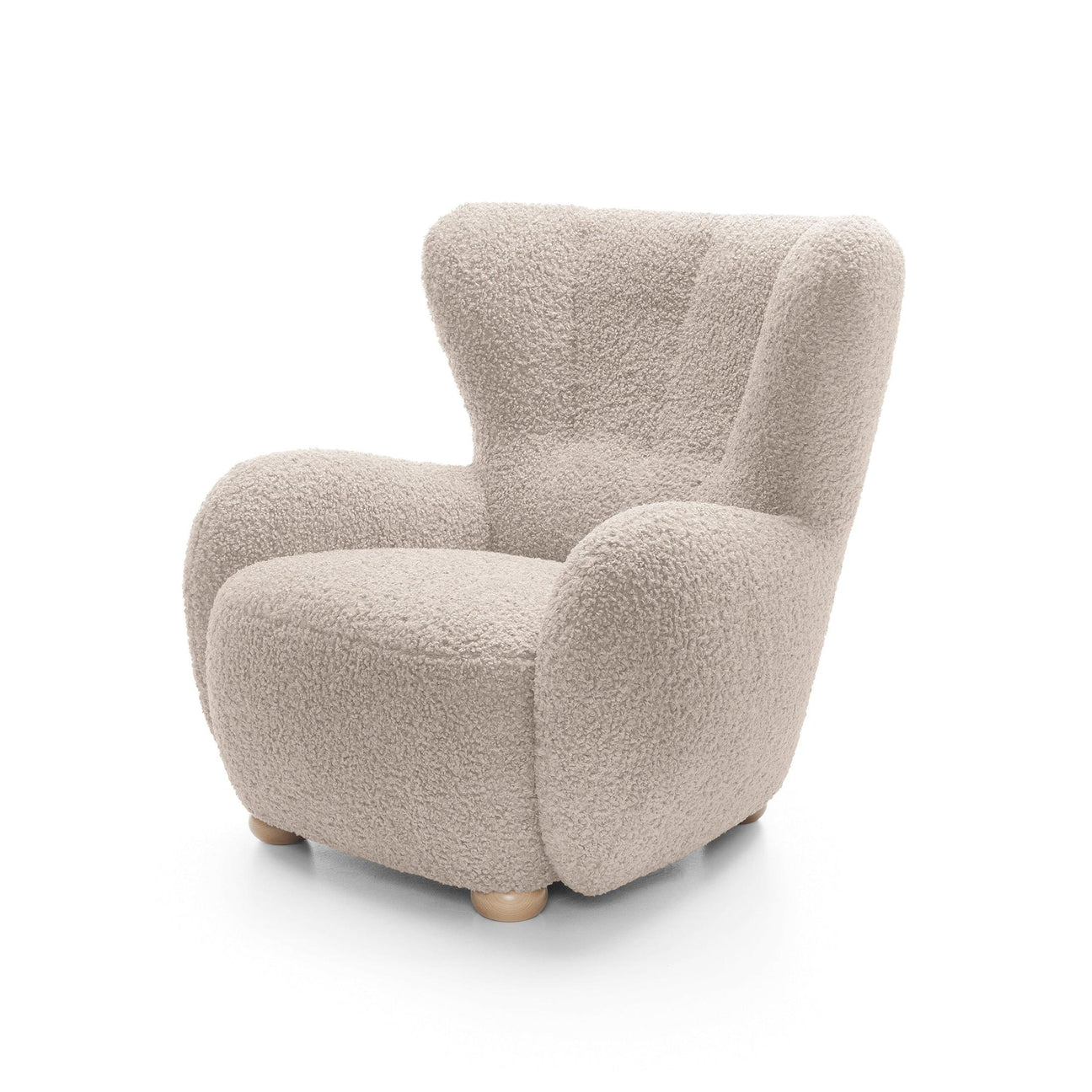
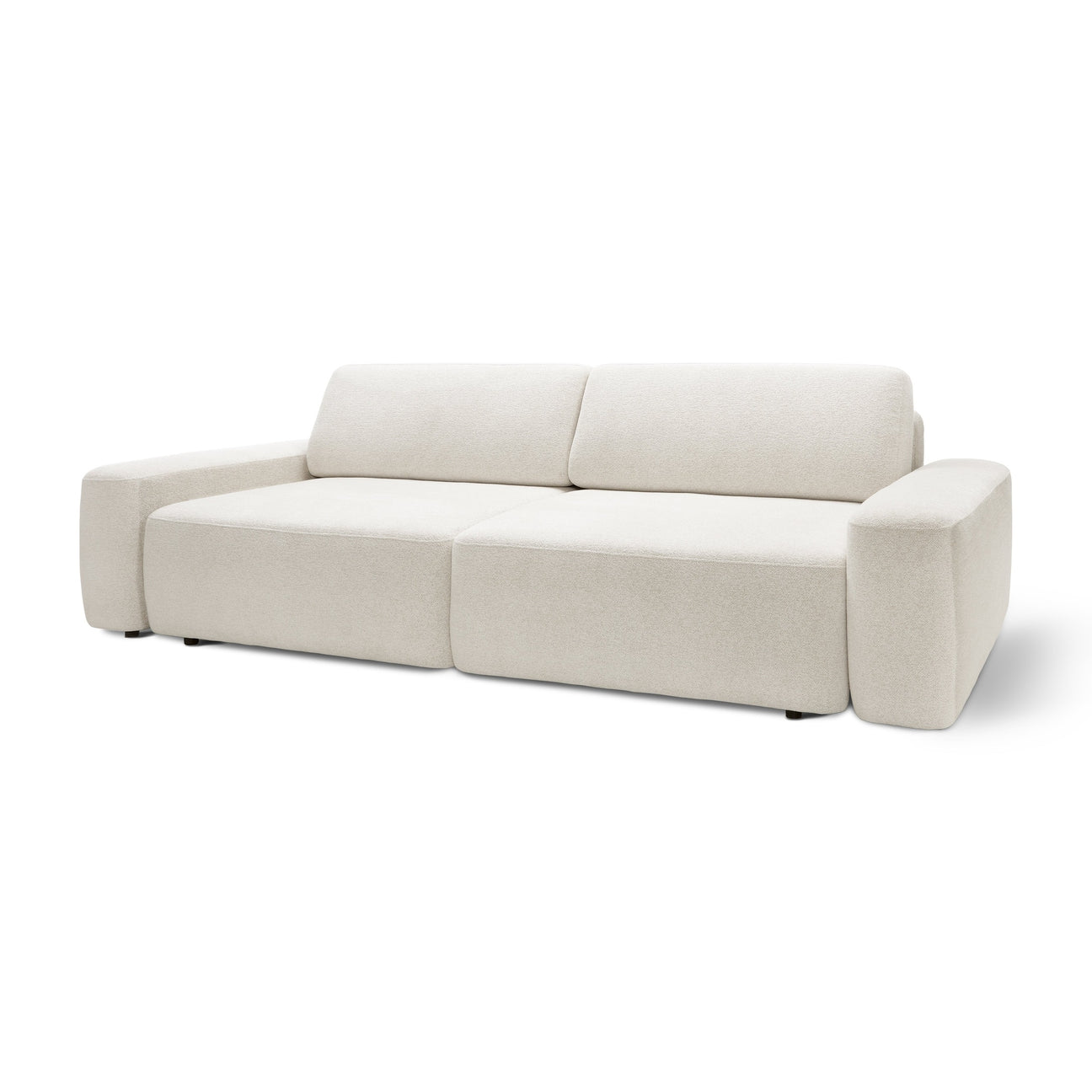
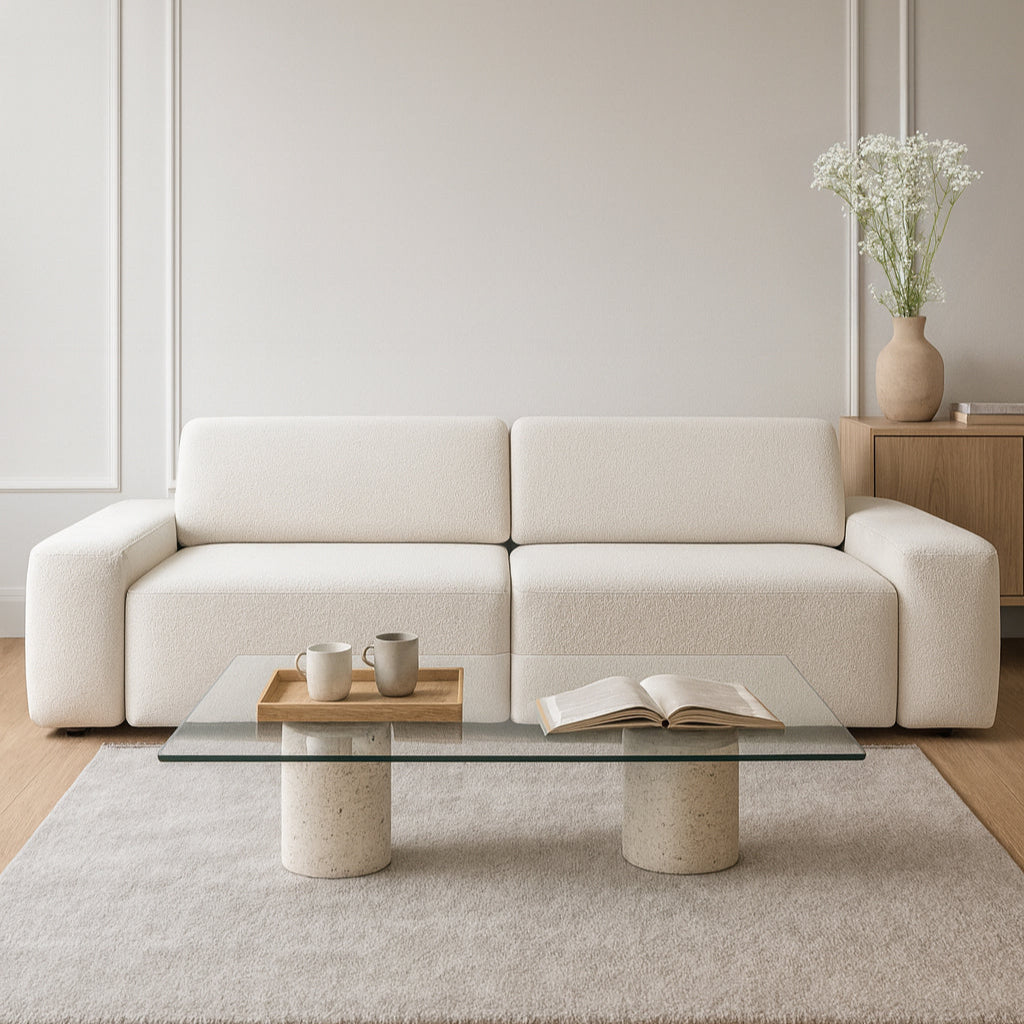
The July 3-seater sofa , crafted from natural materials, is a piece of furniture that is a responsible choice in itself. Durable, timeless, and built to last for years—not just one season.
Shopping – buy less, but buy wisely
Before the holidays, it's worth making a detailed guest list and holiday treats. A large selection of dishes will certainly impress the family, but consider how many people will be sitting at the table. Children typically eat less than adults and often don't enjoy many of the typical holiday flavors.
Principles of responsible purchasing:
-
Make a list and stick to it
-
Buy seasonal vegetables and fruits
-
Choose local products (less transport = less emissions)
-
Choose products in reusable packaging or without packaging
-
Instead of plastic bags – a fabric bag or basket

Food – cook as much as you need
A family of five sits at the table, and the food is enough for twelve people. The result? Overeating, indigestion, and a ton of leftovers in the trash. Did you know that Poland wastes nearly 5 million tons of food annually? Statistically, 1-2 kilograms of wasted food ends up in the trash during the holidays.
How to avoid wasting food:
-
Plan carefully what you will eat each day
-
Cook less, as much as you need
-
If there is anything left, share it with others.
-
You can give Christmas treats to the hospital, shelter, or neighbors
-
Take surplus food to the food pantry (public refrigerators)
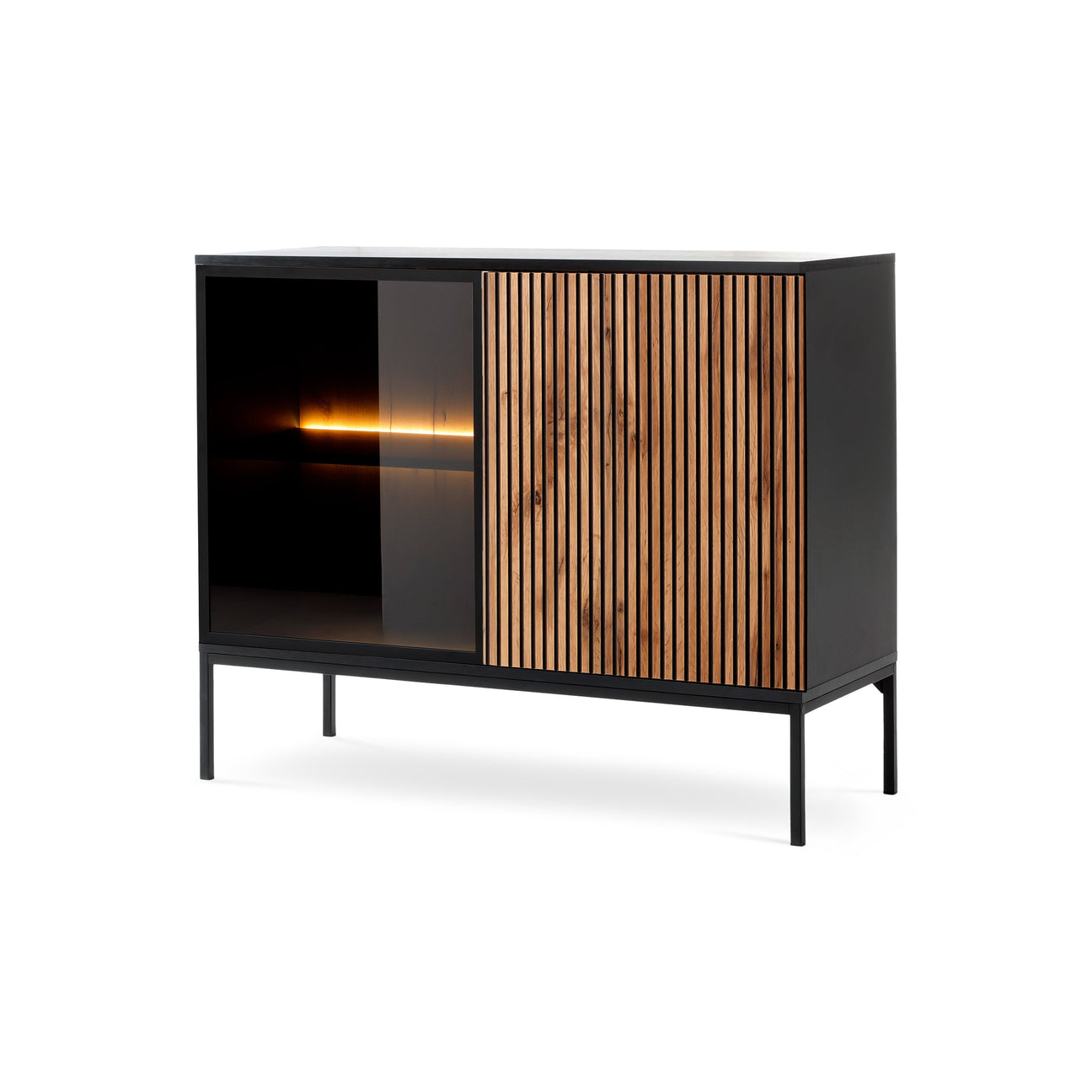
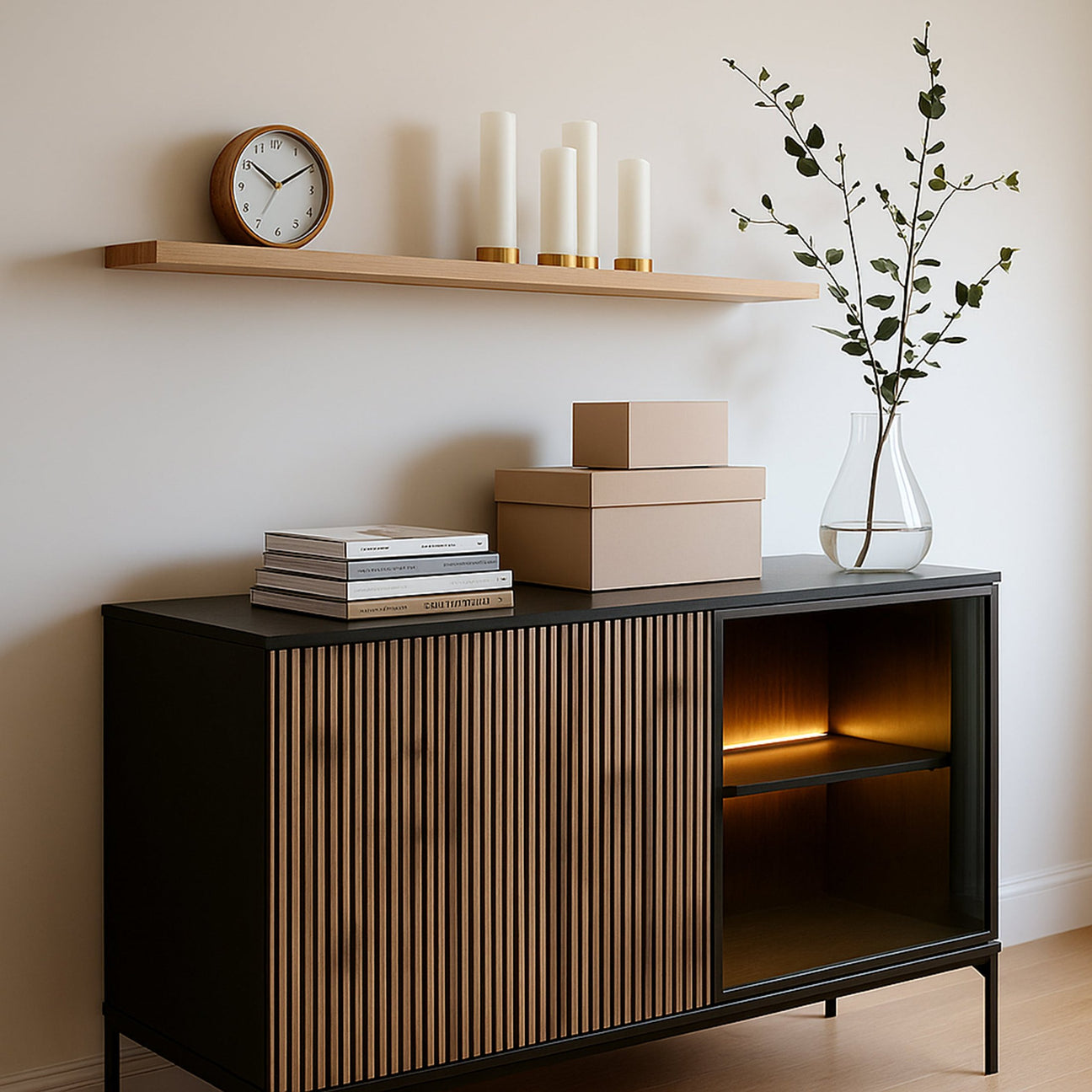
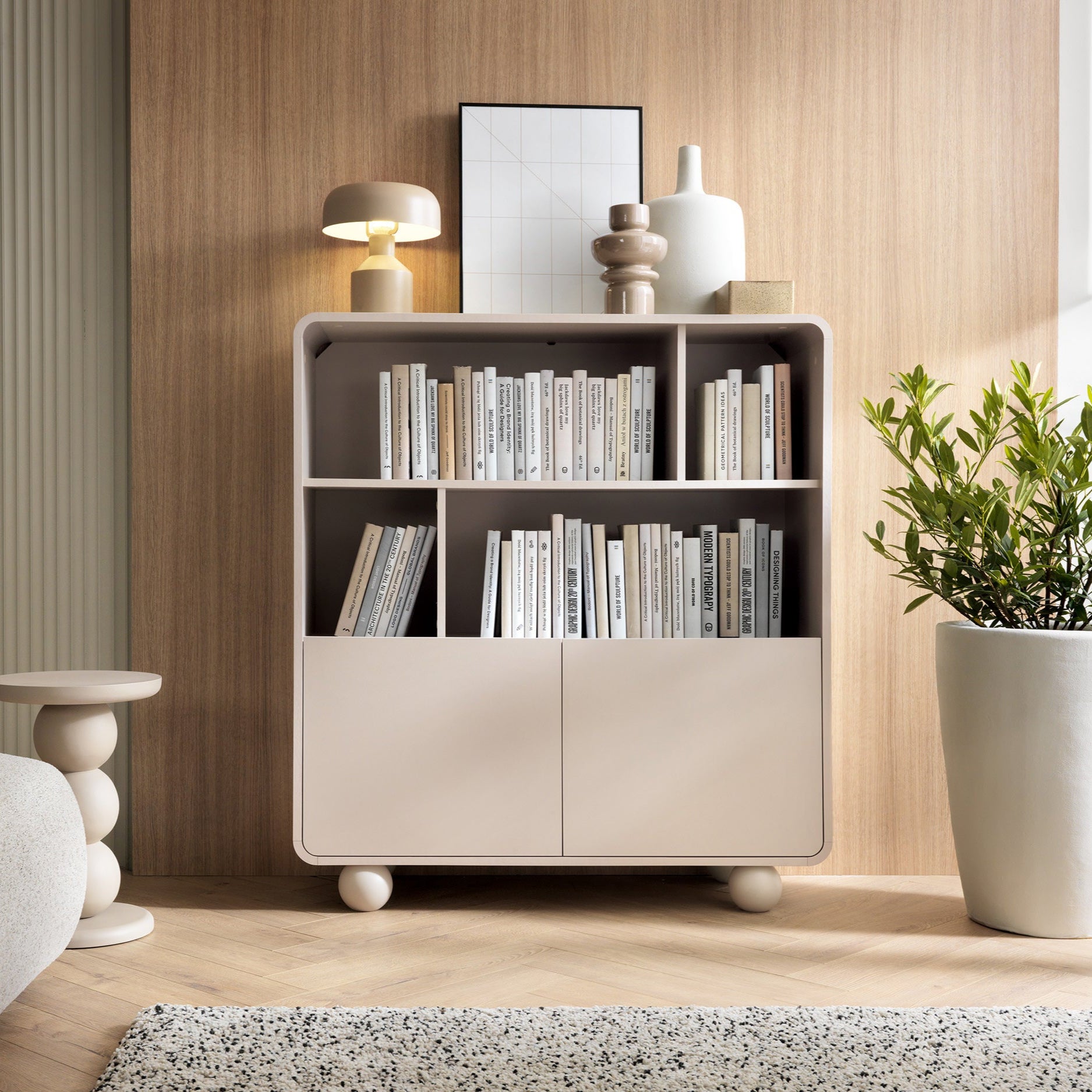
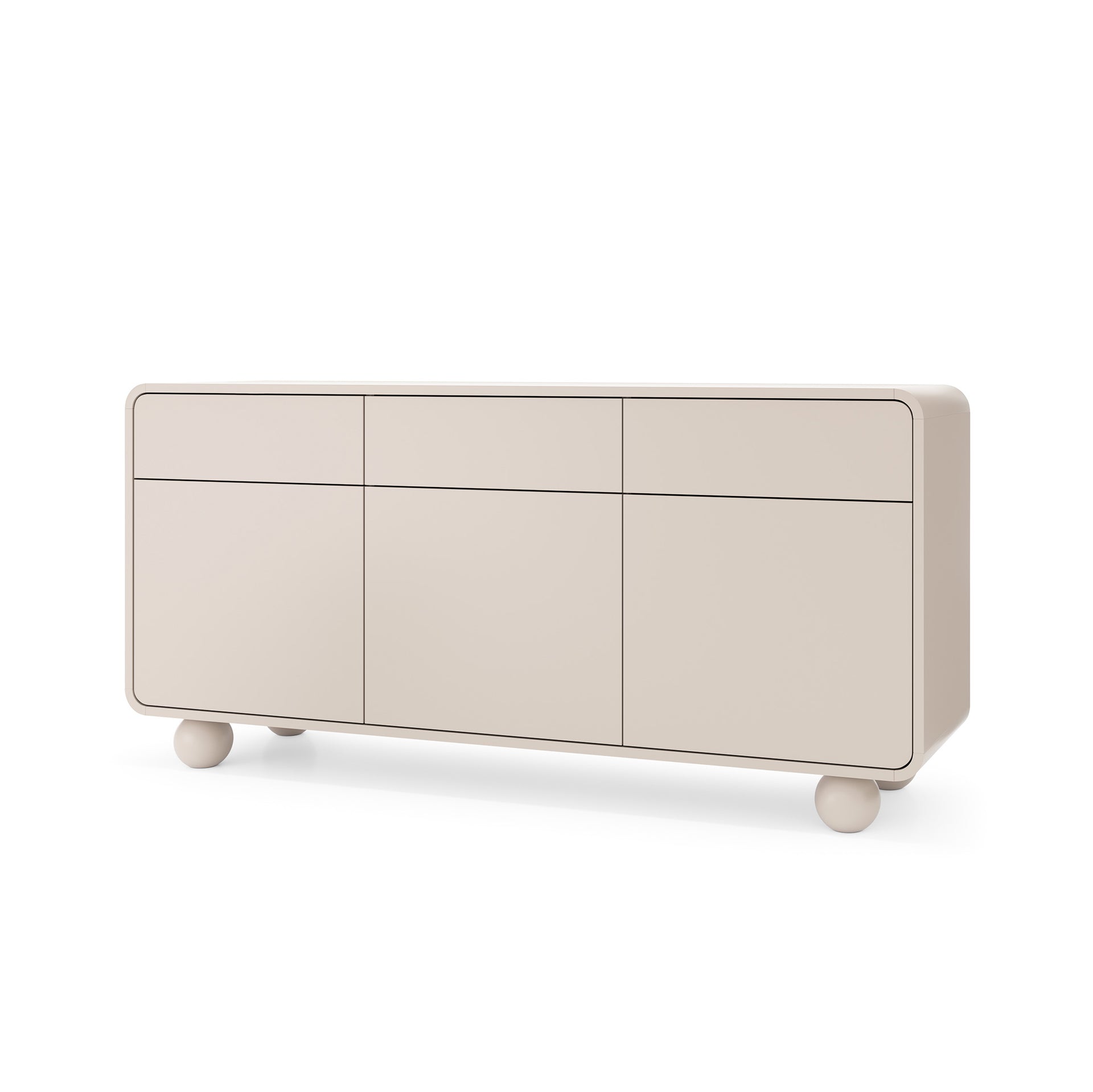
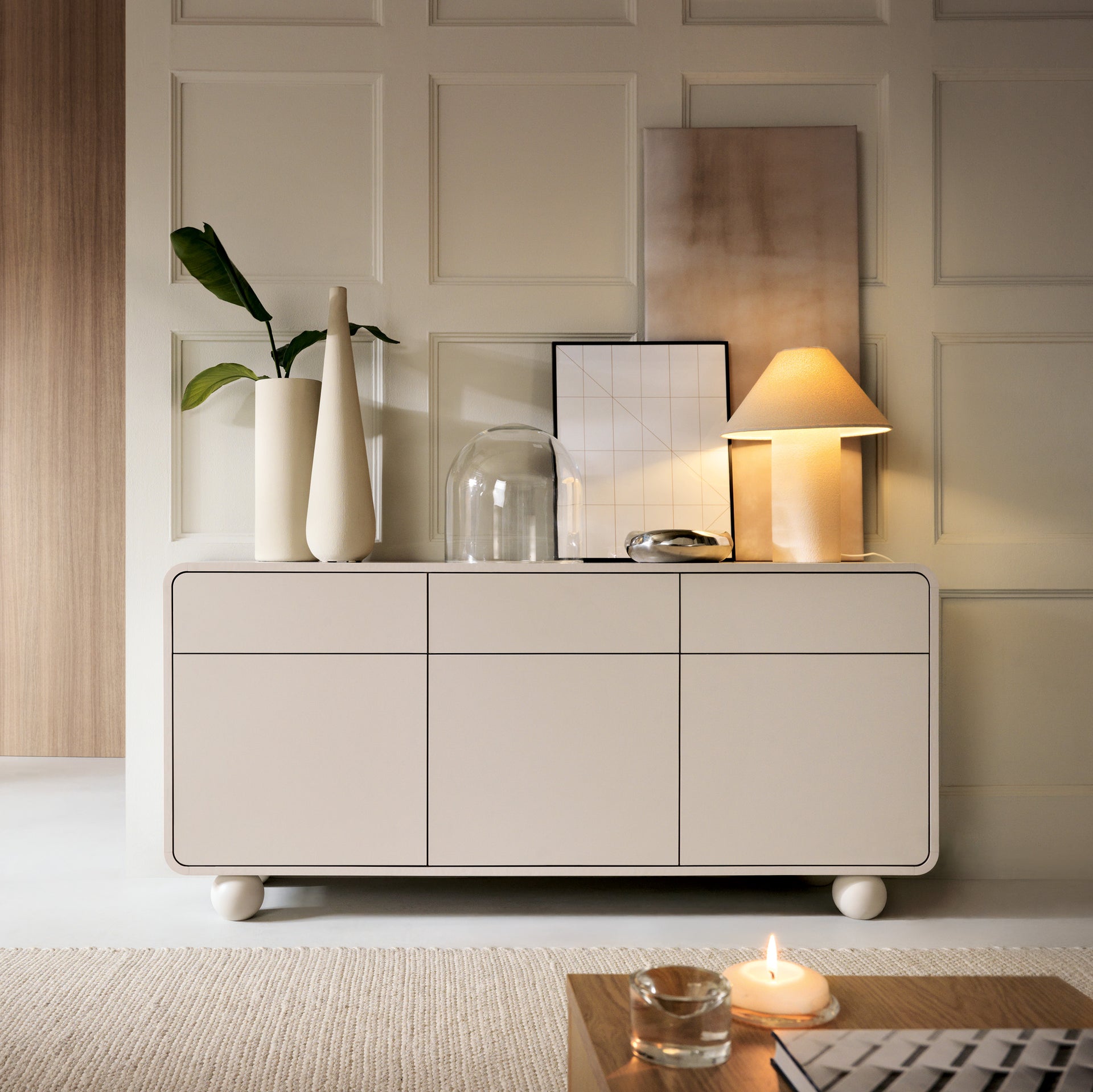
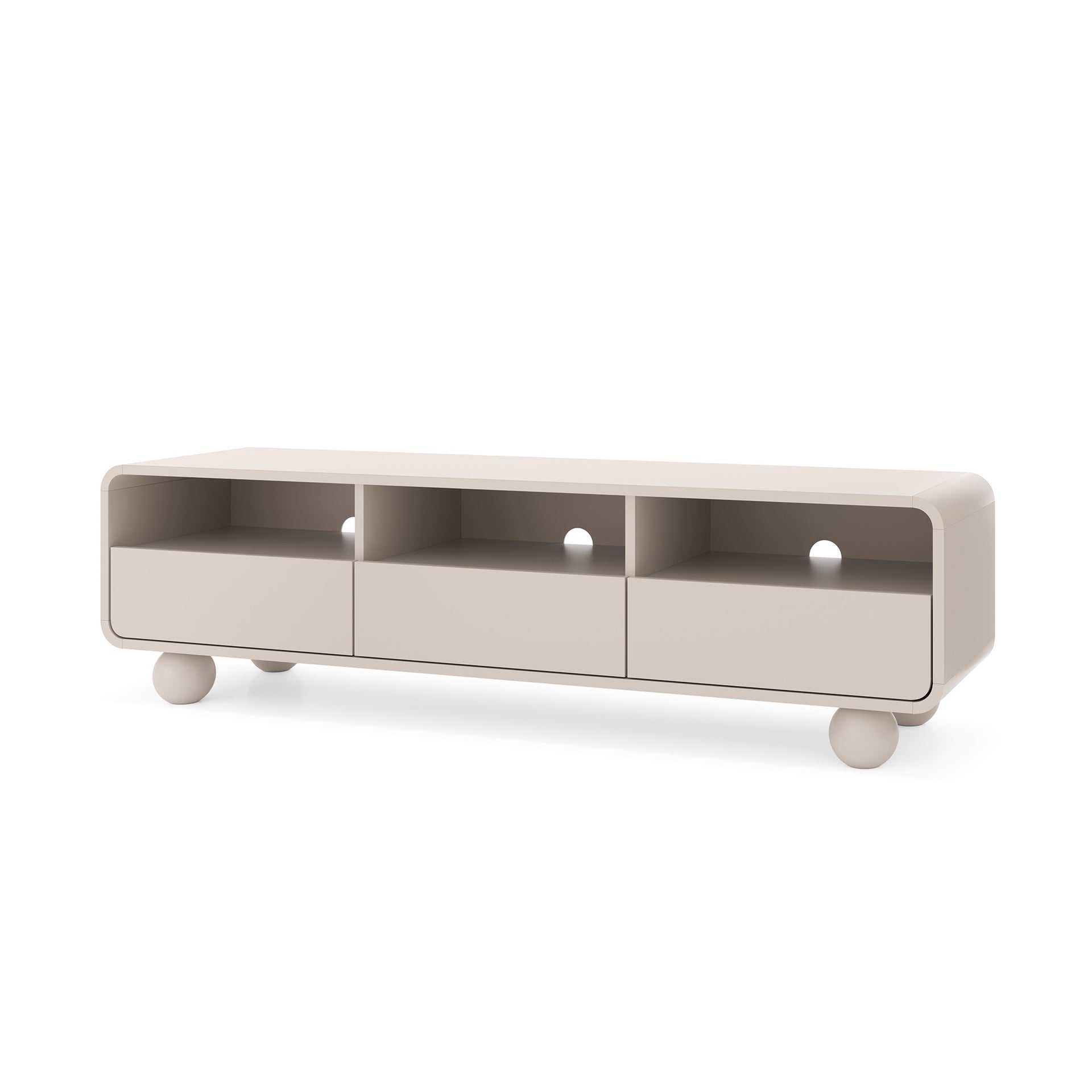
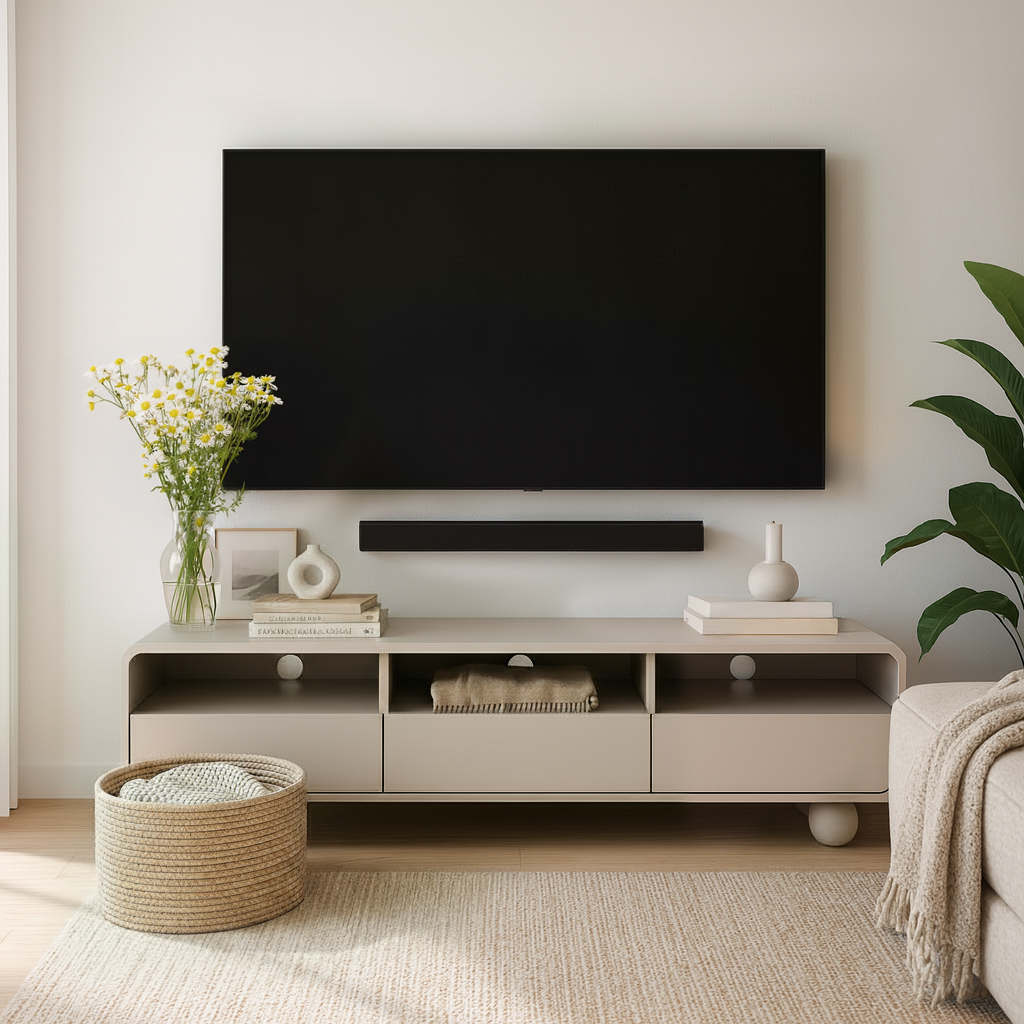
Chest of Drawers Lamps 104x83 with spacious space, it is a place where you can store reusable bags, containers, everything that supports the zero waste style.
Gifts – less is more
Gifts are a tradition, but do they have to be twenty? Perhaps one well-thought-out gift is better than ten random ones?
Eco-gift ideas:
-
Experiences instead of things (theatre tickets, spa, workshop)
-
Local, artisanal, certified products (FSC, EMAS, MSC)
-
Used, vintage, and refurbished items
-
Homemade preserves, bread, sweets
-
Potted plants instead of cut flowers
Packaging:
-
Newspaper tied with string
-
Reusable material (furoshiki – Japanese art of packaging)
-
Wrapping paper with natural ribbon
-
A box or jar that will stay with the recipient
Decorations – natural and long-lasting
Instead of plastic ribbons, use natural materials as decorations: dried flowers and leaves, string, pine cones, and twigs. You can make an Advent wreath from spruce branches, decorations from dried oranges, or garlands from pine cones.
Zero waste decorations:
-
Cones from a walk in the forest
-
Dried oranges made from organic fruit
-
Edible gingerbread cookies (can be used as decoration or snack)
-
Fir branches from the forest (only the fallen ones!)
-
Salt dough decorations made with children
Mandala Bedside Table 54x54 The Mandala Bedside Table 54x54 with a decorative front in a wood-like finish is a piece of furniture that attracts attention on its own – it does not need plastic decorations.

Christmas tree – real or artificial?
This question is a zero-waster question. A real Christmas tree is biodegradable, but requires cutting down. An artificial one doesn't require cutting down, but is made of plastic and lasts for decades.
Best solutions:
-
A Christmas tree in a pot , which will go to the balcony or garden after the holidays
-
A real Christmas tree with FSC (sustainable forest management) certification
-
An artificial Christmas tree used for at least 10 years (only then does it pay off ecologically)
-
DIY Christmas tree made of twigs, wood, cardboard – creativity without limits
Light – energy consciously
LED Christmas tree lights use 90% less energy than traditional bulbs. In Krakow, Christmas street decorations are now entirely LED. You, too, can switch to energy-efficient lighting.
Principles of conscious lighting:
-
Only LED lights
-
Turn it off when you leave the house
-
Timer or timer socket
For those who think about the future
You're part of the generation that's already seeing the effects of the climate crisis —scorching summers, droughts, floods. That knows we can't keep living like this. That understands that every gesture counts—even something as simple as not using plastic ribbon on a gift.
Pillovely has always been about responsibility. About furniture that lasts for years, not just one season. About natural materials, not plastic. And that's precisely why eco-holidays aren't about abandoning tradition—it's a modern interpretation . As Czesław Niemen sang, "Strange is this world"—but it can be less strange if each of us makes a small change.
A zero-waste eco-holiday isn't a sacrifice – it's a conscious choice. Less trash, less waste, more meaning. A zero-waste Christmas is truly possible and easy to prepare. By implementing a few basic rules, we won't be forced to abandon its character – we'll preserve tradition while contributing to the protection of our planet. Because home isn't just a place where we live – it's also the planet we all share.