


- by Daniel Pawlik
Most Comfortable Sofas – How to Choose the Perfect Sofa for Everyday Relaxation
- by Daniel Pawlik
There is something deeply personal about a truly comfortable sofa. It is not just a piece of furniture, but the place where everyday life unfolds - slow mornings, long evenings, and everything in between. Choosing the right one is less about trends and more about how it supports the way you actually live.
The most comfortable sofas combine thoughtful proportions, quality materials, and a feeling that invites you to stay a little longer than planned. Whether your space is a busy family living room or a quiet one-bedroom flat, the right sofa becomes its centre naturally. At Pillovely, we believe comfort should feel effortless and authentic - because your home should reflect you, not a showroom.
When people search for the most comfortable sofas, they are rarely thinking about thread counts or tensile strength. They are thinking about Friday evenings, unhurried Sunday mornings, and the specific kind of tiredness that lets you sink into cushions and not want to get up. That is comfort — and it is about far more than softness alone.
The most comfortable sofa delivers on several dimensions at once. Seat depth matters more than most buyers realise: too shallow and you perch on the edge; too deep and you gradually slouch. For most adults, a depth of 55–65 cm strikes the right balance — generous enough to curl up, stable enough to sit upright when needed. Seat height follows a similar logic. Around 43–48 cm from the floor works well for a wide range of body types and avoids that sinking-into-the-floor feeling that develops after months of regular use.
Back support is where personal preference plays its biggest role. High-back sofas feel enveloping and cosy — the kind you disappear into after a long week. Lower backs read airier and more contemporary. Neither is wrong; the choice depends entirely on how you live in your space and what mood you want the room to carry. Finally, cushion resilience separates good sofas from great ones. A piece that starts firm and softens gradually over time is almost always preferable to one that loses its shape within the first year of use.
The comfiest sofa for a family home is not the same as the comfiest sofa for a minimalist one-bedroom flat used mainly by one person who works from home. Knowing how you actually use your living room shapes every decision that follows.

It is a question worth addressing honestly. Is there actually a meaningful difference between a sofa and a couch?
Technically, yes — though the line has blurred considerably in everyday usage. A sofa traditionally refers to a fully upholstered piece with both a back and arms, designed to seat multiple people comfortably. A couch, historically, was a more relaxed piece — often armless or with just one raised end — sitting closer to a daybed in spirit and function. It was the piece you threw yourself onto rather than sat upon with any deliberateness.
Today, the most comfortable couch and the most comfortable sofa are often the same thing: a generous, well-padded seat that invites you to stay longer than you planned. In British English, "sofa" dominates. In American English, "couch" is more common. In either case, if it holds you comfortably through an entire series rewatch, it is doing its job well.
What matters far more than terminology is proportion and placement. A three-seater that overwhelms a narrow room will never feel comfortable, regardless of how good its cushions are. We always recommend measuring your space carefully before falling in love with any particular piece — you can find more detailed guidance in our dedicated article on furniture sizing for small living rooms.
The upholstery and filling of a sofa determine how it feels on day one — and how it holds up over years of genuine daily use. This is where most comfortable sofa choices either age with dignity or quietly disappoint.
Linen and cotton blends are breathable, textural, and beautifully natural-looking. These fabrics age with real character — small creases and subtle fading over time tell the story of a space that has actually been lived in, not just decorated. They are a natural fit for earthy, nostalgic interiors built around warmth rather than perfection.
Velvet is dramatic, tactile, and has surged back into popularity for very good reason. It adds depth, warmth, and a touch of theatre to any room. A blue velvet sofa in particular becomes the undisputed centrepiece of its surroundings. For care tips specific to velvet upholstery, we have a dedicated guide worth bookmarking before committing to a velvet piece. Boucle — the looped, textured fabric that became synonymous with 2020s interiors — remains incredibly soft, slightly retro, and wonderfully cosy. Performance fabrics, meanwhile, offer stain-resistance and easy cleaning without sacrificing softness, making them a wise choice for households with children or pets.
When it comes to filling, foam-only options are firm, structured, and long-lasting when high-density foam — 28 kg/m³ or above — is used. A foam-and-fibre blend is the most popular choice for the most comfy sofas overall: a resilient foam core wrapped in a plush fibre layer that cradles rather than resists, ages well, and requires less maintenance than down alternatives. Down and feather filling is genuinely cloud-like but demands regular plumping and is less practical in busy households. Memory foam offers excellent pressure relief — particularly for anyone who spends long stretches seated, whether working from home, reading, or simply choosing not to move for a while.
For a blue sofa specifically, it is worth thinking about how texture plays into your wider colour scheme. A matte, brushed cotton in midnight blue reads very differently from a high-sheen velvet in the same shade — one leans cosy and vintage, the other leans confident and statement-making. Both are right, depending on who you are and how you want the room to feel.
Perfect fit: space, proportion, and daily use
Choosing the most comfortable sofa is not just about the piece in isolation — it is about how it lives in your home over time. Before committing to any model, it is worth measuring your room carefully and marking the sofa's footprint with masking tape before ordering. Allow at least 90 cm of walkway space on all sides and think honestly about the natural traffic flow through the room. A sofa placed across a frequently used path will frustrate you every single day, no matter how good it feels to sit on. If a showroom visit is not possible, check return policies carefully and prioritise long-term reviews — six months or more of real use — over first impressions.
A blue sofa opens up significantly more colour possibilities than most people initially expect. Warm neutrals like terracotta, sand, and warm white create a grounding contrast that feels earthy and genuinely inviting — the kind of living room that smells like tea and old books. Deep greens offer a pairing rooted in nature: think forest and sky together, or the richly layered sitting rooms of the 1970s, full of texture and character. Burnt orange and ochre are bold and deliberate — a combination that nods directly to the most confident decades of design history and never fails to feel lived-in rather than styled. Soft blush and dusty rose sit unexpectedly well alongside navy or steel blue, warmer in practice than they appear on a colour card. And if you want the sofa to carry all the personality in the room, cream and off-white provide a timeless, calm backdrop that simply gets out of the way and lets the blue speak.
The most comfy sofas are ones you genuinely want to be on — not just ones that photograph well. Trust the sit test wherever possible. And above all, trust your own sense of what feels like home, not just what looks right in someone else's living room.

What is the most comfortable type of sofa?
There is no single universal answer, as comfort is shaped by body type, lifestyle, and how you use your living room. That said, sofas with a foam-and-fibre blend filling, a seat depth of 55–65 cm, and a medium back height consistently perform well across a wide range of uses. Modular configurations add useful flexibility for those who like to rearrange their space over time.
How do I know if a sofa will stay comfortable long-term?
Look for high-density foam (28 kg/m³ or above), a hardwood or solid engineered wood frame, and independently sprung seats where possible. These are the details that separate sofas which remain comfortable for a decade from those that quietly lose their shape within the first couple of years. Long-term user reviews — six months or more of actual use — are significantly more informative than initial impressions.
Can the most comfortable couch also look stylish?
Absolutely — and it should. Comfort and aesthetics are not opposites. A well-chosen fabric, considered proportions, and a colour that anchors the room can make the comfiest sofa also the most visually compelling piece of furniture in the space. At Pillovely, we believe you should never have to choose between how something feels and how it looks.
What colours work best with a blue sofa?
Warm neutrals, forest greens, terracotta, ochre, and soft blush all complement blue effectively. The key question is whether you want contrast — warm tones set against the cool of the blue — or harmony, with similarly muted shades alongside it. Both approaches work well; the choice depends on the atmosphere you want the room to carry.
How long should a well-made sofa last?
A properly constructed sofa, cared for consistently, should last 10–15 years. Regular cushion rotation, appropriate cleaning methods for the specific fabric type, and keeping the piece away from direct sunlight all extend its lifespan meaningfully. We cover fabric-specific care in detail in our dedicated upholstery maintenance guide.
Is it worth spending more on a sofa?
Generally, yes — though the relationship between price and quality is not always linear. The frame quality, filling density, and upholstery grade are the three areas where meaningful differences appear over time. A mid-range sofa with a solid hardwood frame and high-density foam will outlast and outperform a budget piece, even if they look identical on day one.
Check out the Pillovely collection of sofas and corner sofas and find your dream sofa!
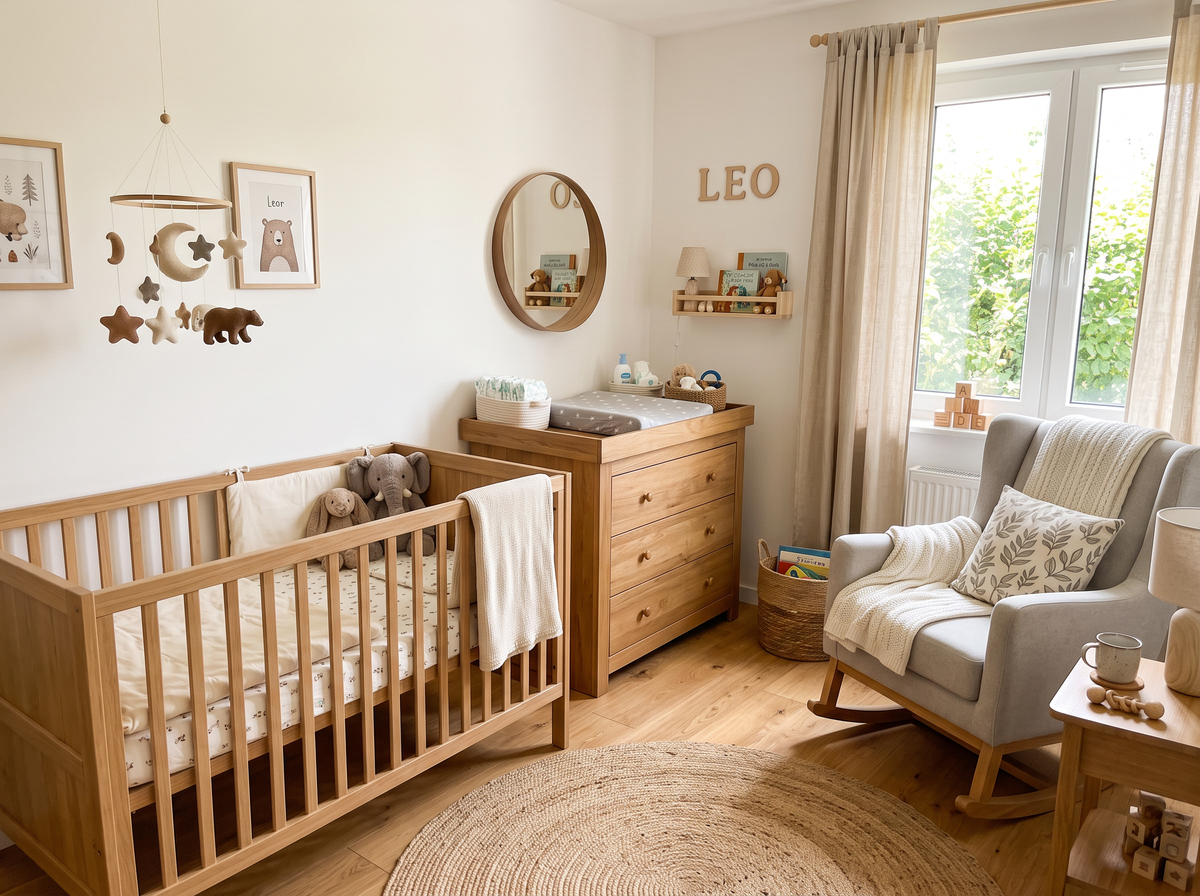
Nursery Ideas – How to Design a Safe and Cosy Room for Your Baby
Do you remember the peaceful lullabies playing quietly from a cassette tape or radio in your childhood bedroom? The soft, warm glow of a small nightlight on the bedside table, the soothing scent of freshly washed cotton blankets, and the gentle feeling of utter safety as someone tucked you in? There is an undeniable magic to those early memories—a quiet, unhurried warmth that stays with us through youth, student days, and into adulthood.
Read moreabout Nursery Ideas – How to Design a Safe and Cosy Room for Your Baby
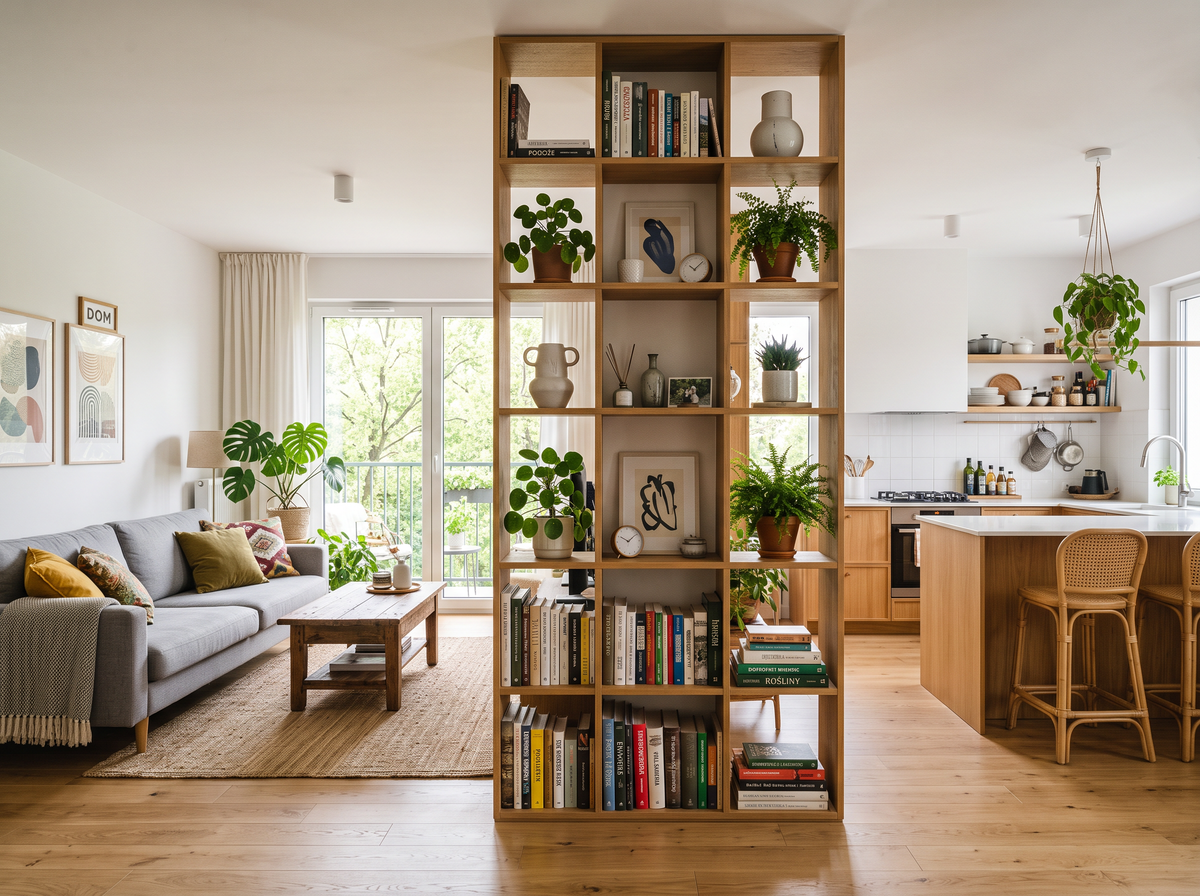
Room Divider Ideas – How to Split an Open-Plan Space Into Zones Without Building Walls
Do you remember the effortless freedom of your student days or your very first rented flat? The sound of a favorite vinyl or cassette spinning in the background, late-night conversations over tea, and a single, multi-purpose room where life seamlessly unfolded—from studying and relaxing to hosting friends. There was an undeniable warmth to that chaotic simplicity. It wasn't about lavish, rigid walls; it was about creating a cozy nook that felt entirely like yours.
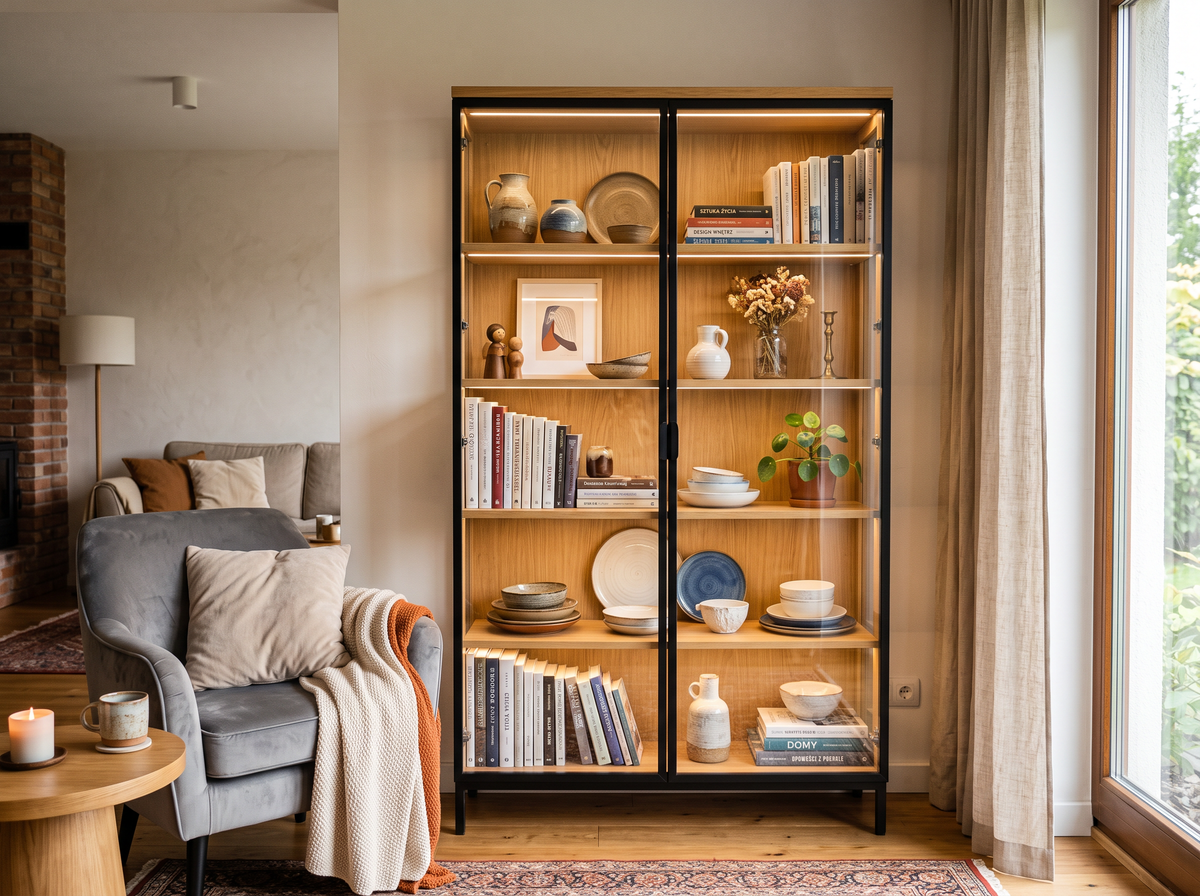
Display Cabinet Ideas – How to Choose and Style a Cabinet That Shows Off Your Collection
Do you remember the warm, Sunday afternoon scent of freshly baked cake floating through your family home? The quiet clinking of patterned porcelain cups, the gentle glow of sunlight filtering through the curtains, and the soft hum of the radio in the background playing an iconic song from your youth—a track by Maanam, Perfect, or Lady Pank that became the soundtrack to your summer holidays?



Share:
Sofas for Small Living Rooms – Space-Saving Designs That Maximize Comfort
Burnt Orange Sofa Living Room Ideas – Warm and Modern Styling Inspiration