


Etagere – what is it and how to choose the perfect model for your interior? A practical buying guide
Do you remember your grandma's apartment? That light, multi-tiered shelf in the corner of the living room, on which stood a porcelain figurine, a few leather-bound books, and a vase of wildflowers? That was an etagere – a piece of furniture that has subtly returned to modern interiors and feels perfectly at home there. On one hand, it smells of nostalgia and homey warmth, on the other – it perfectly suits minimalist arrangements where space and lightness are key.
In this guide, we explain exactly what an etagere is, where best to place it, how to choose the right material for your interior style, and how to arrange books and decorations on it so that it's not just an "open bookcase," but a full-fledged element of the decor.
Etagere – what is it and why is this furniture returning to modern interiors?
What does etagere actually mean? The name comes from the French étagère – a multi-level, open shelf designed to display small items: porcelain, books, trinkets. The first etageres appeared in 19th-century living rooms, and later became common in Polish apartments of the 70s and 80s – narrow, wooden, placed against a wall in the guest room.
Today, the etagere is experiencing a second youth. The reason? After years of domination by heavy, closed bookshelves, we are rediscovering the charm of light structures that don't overwhelm the interior. Open levels "breathe" – they allow light to flow through the furniture and the eye to rest on the wall behind it. This solution is especially valued in small apartments and interiors in Scandinavian, boho, Japandi, or modern vintage styles.
How does an etagere differ from a regular bookshelf?
-
it is lower and slimmer – usually has 3–5 tiers,
-
it has an open structure without a back panel,
-
it serves a decorative function, not just a practical one,
-
it is easy to move and integrate into almost any style.

Etagere furniture in practice – what is it used for and where does it work best?
What is an etagere in everyday use? It's a helper piece of furniture that combines storage with display. You can keep your favorite books, plants, photo frames on it, or whatever truly defines you – vinyl records from your student days, a collection of ceramic mugs, potted herbs.
Where does an etagere work best?
-
Living room – next to the sofa or in the corner, as a light alternative to a bookcase.
-
Bedroom – instead of a traditional nightstand, especially a taller and narrower model.
-
Hallway – perfect for organizing small items: keys, candles, books to return.
-
Kitchen – for herbs, spice jars, favorite mugs.
-
Bathroom – in a moisture-resistant version (metal, bamboo), for towels and cosmetics.
-
Home office – as a place for reference books, plants, and small decorations.
Mini-checklist before purchase:
-
measure the available space (width, depth, height to the ceiling),
-
think about what you will actually put on the shelves – books weigh more than decorations,
-
check if the furniture has a stable construction and wall attachment (important with children and pets),
-
pay attention to the shelf spacing – those with adjustable height are more versatile.
In smaller apartments, one tall etagere often works better than two short ones – you then utilize the entire height of the room. We write more about arranging small spaces in a separate guide about furniture for a small living room.
Wooden, metal, glass, and wicker etageres – which to choose for your style
The material determines the character of the furniture more than any other element. The same interior with an oak etagere will look completely different from a black metal structure.
Wooden etagere – a classic that never goes out of style. Oak, ash, walnut, or pine add warmth and timelessness to the interior. It suits Scandinavian, mid-century, rustic, and classic styles. It will work especially well in living rooms with wooden floors or against a wall in a warm, natural color. Solid wood is more expensive but ages beautifully – over the years it acquires a patina that no veneered board can provide.
Metal etagere – a choice for industrial, loft, and modern interiors. Black, white, or brass-colored, it looks light, even though the construction can be solid. It perfectly complements glass, concrete, and dark fabrics. Often combined with wooden shelves – then it visually softens and loses its industrial harshness.
Glass etagere – the queen of small interiors. Tempered glass shelves make the furniture almost disappear from view, visually enlarging the space. It works great in glamour, Art Deco, and modern styles. However, it requires more frequent cleaning and caution – we do not recommend it in homes with small children.
Wicker etagere – the answer for lovers of boho, coastal, and natural styles. Wicker, rattan, and bamboo introduce texture and warmth into the interior that no other material can. It looks great in the bedroom, on the veranda, or in a bright living room with lots of plants. It is worth remembering that a wicker construction is lighter and will not support a heavy library – it is more decorative than practical furniture.
Etagere for books and decorations – how to match the model to function and space
An etagere for books is still one of the most common uses for this piece of furniture – and contrary to appearances, not every etagere is suitable for this. When choosing, it is worth checking:
-
Shelf load capacity – minimum 10–15 kg per level, if you plan to arrange books in two rows.
-
Depth – at least 25–30 cm will accommodate most books; for albums and cookbooks, you need 35–40 cm.
-
Shelf material – wood and metal will support more than glass or wicker.
-
Stability – always attach tall models (over 150 cm) to the wall.
How to arrange things on an etagere so it looks like a picture, not a storage unit?
-
use the rule of three – three objects on a shelf look better than two or five,
-
mix heights and textures – a tall vase, a short stack of books, a spherical pot,
-
leave empty space to breathe – don't fill every shelf completely,
-
arrange books both vertically and horizontally – a stack of books is also a decoration,
-
add personal touches – a travel photo, a concert souvenir, a favorite candle.
An etagere benefits most when you treat it as your own mini-gallery – a place where you tell your own story, not someone else's.

Frequently Asked Questions
What is the difference between an etagere and a bookshelf?
A bookshelf usually has a back panel, more levels, and greater capacity. An etagere is shorter, open, and primarily serves a decorative function, although a taller version also works well for books.
Is a glass etagere safe in a home with children?
Tempered glass is durable, but in homes with small children, it's better to choose a wooden or metal construction – less fragile and more stable.
What dimensions should an etagere for books have?
The optimal shelf depth is 25–30 cm, and the height between levels is a minimum of 30 cm. For large albums, choose deeper and taller models, ideally with height-adjustable shelves.
Does an etagere fit in a small apartment?
Yes, and it often works better than a classic bookshelf. The open design doesn't overwhelm the space, and a tall, narrow model utilizes valuable vertical square footage.
How to care for a wicker etagere?
Dust with a soft brush, wipe with a damp cloth every few months, and allow to dry completely. Avoid placing it in direct sunlight and in damp rooms – wicker likes dry, airy interiors.
How to secure a tall etagere from tipping over?
Most models come with an angle bracket for wall mounting. For etageres over 150 cm, this is not an option but a necessity – especially in homes with children and pets.
An etagere is one of those pieces of furniture that does more than it seems – it organizes space, adds character, and allows you to display what's truly important to you. If you're looking for a model that combines nostalgia with modern simplicity, check out the Pillovely collection – you'll find furniture there with which your interior will say something truly personal.
If you liked this text, be sure to check out our other inspirations:
Painting furniture step by step – how to prepare, what to paint with, and achieve a "before and after" effect
Latest Articles
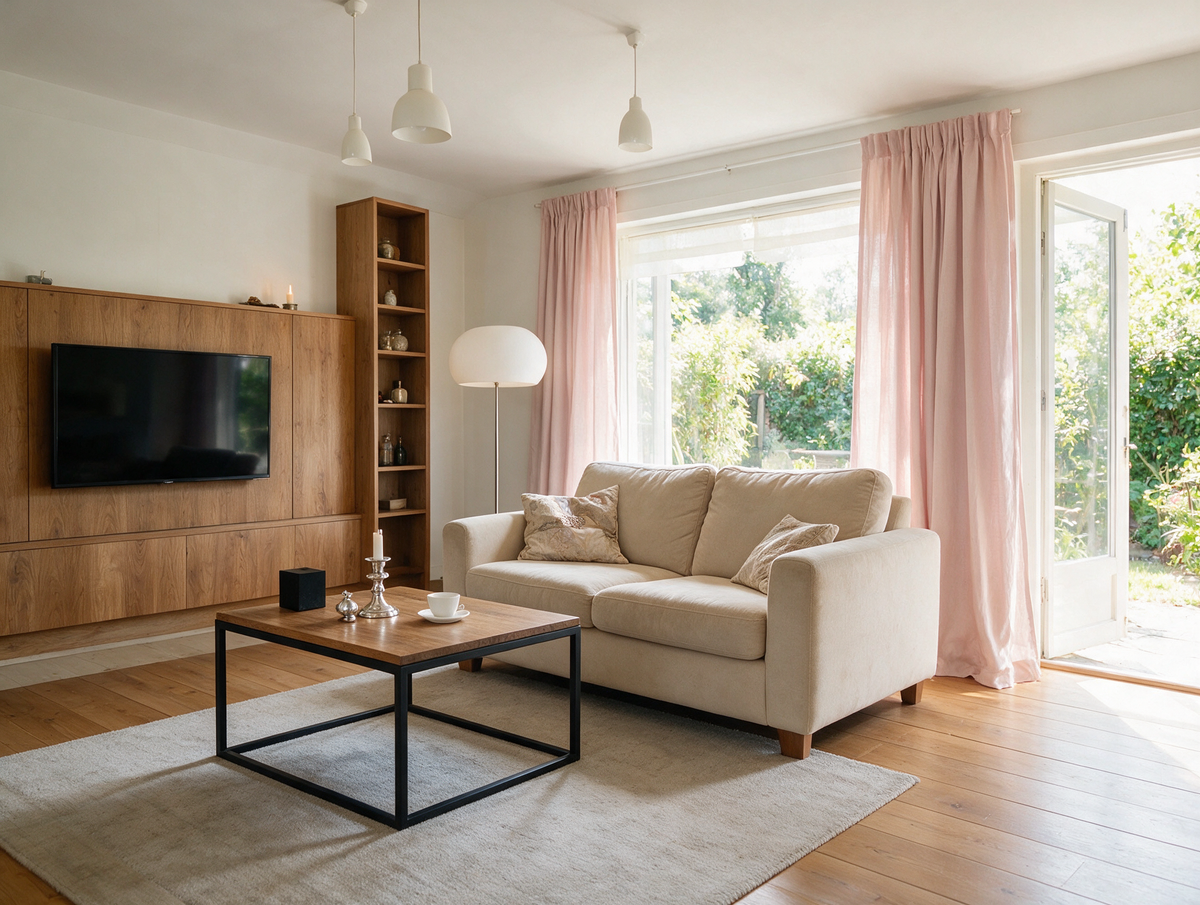
Loveseat - What Is It, Who Is It For and How to Choose the Right One?
A loveseat is one of those pieces of furniture that can completely change how a room works. It is smaller than a classic sofa, more generous than a single armchair and often easier to place in compact interiors. A loveseat can create a cosy sitting area in a small living room, soften a bedroom corner, complete a reading nook or work as an additional seat next to a larger sofa. Its strength lies in proportion: it gives you the feeling of a sofa without taking over the whole room.
Read moreabout Loveseat - What Is It, Who Is It For and How to Choose the Right One?
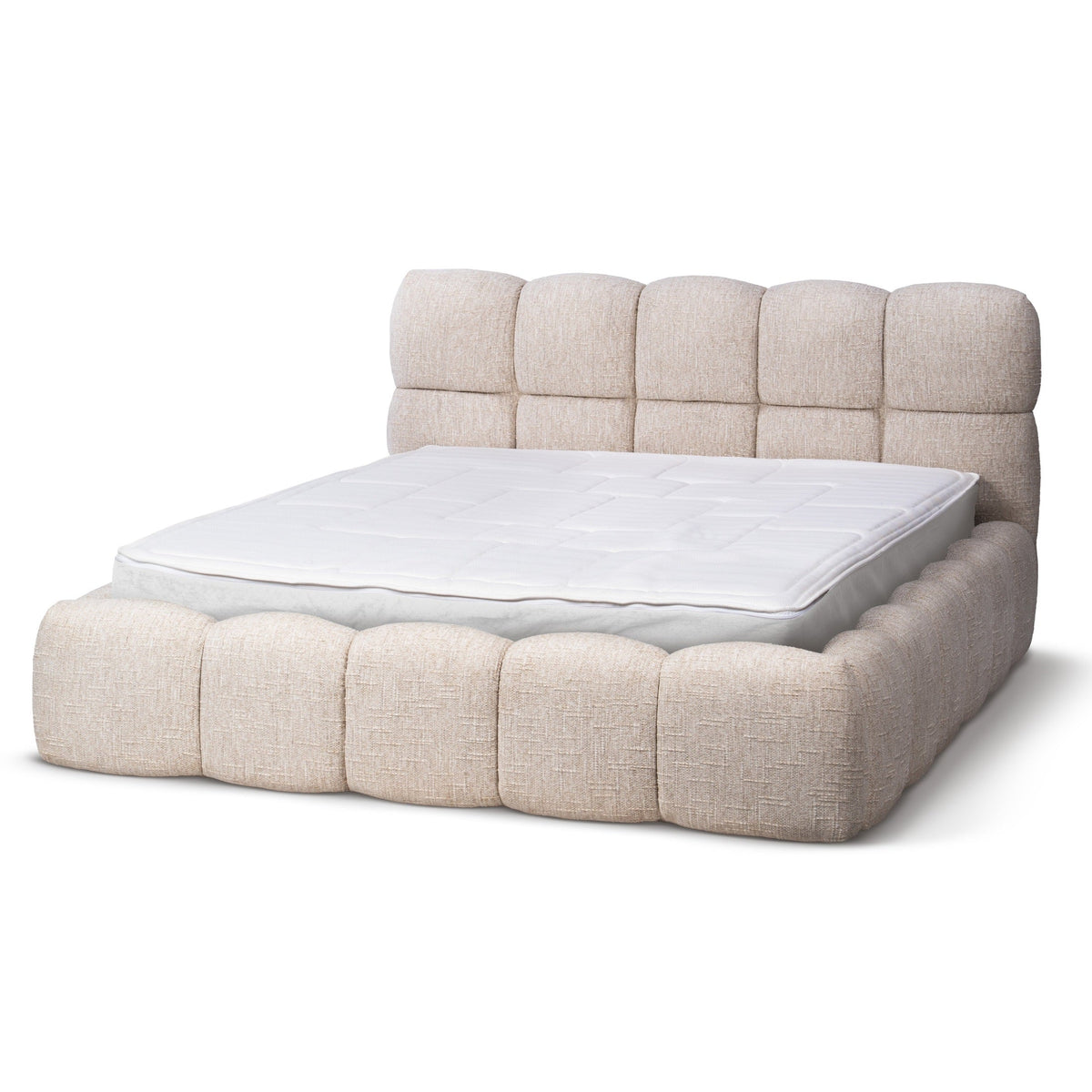
EU vs UK Bed Sizes – Will UK Bedding Fit a European Bed?
European beds are 200 cm long, UK beds 191 or 198 cm. A simple EU vs UK bed size table in cm – and what it means for your mattress and fitted sheets.
Read moreabout EU vs UK Bed Sizes – Will UK Bedding Fit a European Bed?

Autumn colors at home – shades that bring peace and warmth
Do you remember autumn from your childhood, when the leaves changed color like a kaleidoscope, and your mom would pull out the pumpkin-colored sweater she'd worn since college? Or those evenings in front of the TV while a storm raged outside, and the lamplight in the house gave everything a warm, amber hue? Those were the days when no one talked about "color palettes" or "color stories"—colors simply existed, as natural as breathing. Today, when we can choose from 50 shades of gray (and no, I'm not talking about THAT book), we sometimes lose track of what truly makes a home feel cozy. At Pillovely, we believe that autumn colors aren't a trend—they're a return to what makes us feel safe. Because "You are someone"—someone who deserves a space filled with colors that snuggle like a grandma's blanket.
Read moreabout Autumn colors at home – shades that bring peace and warmth



Share:
Pilla's Reading Corner: "Fishing for the Little Pike" - Juhani Karila
How to become a furniture influencer? Earn money from interior design content with Pillovely