


- by Daniel Pawlik
Sofa Dimensions – How to Measure a Sofa Correctly Before Buying
- by Daniel Pawlik
Getting sofa dimensions right is key to transforming your living room into a cozy haven. Whether it's how to measure a sofa or understanding standard sofa measurements, precise sofa size checks prevent costly mistakes.
Sofa dimensions vary by type, but knowing standard sofa measurements helps match your space perfectly. A typical 2-seater sofa size is 140-180 cm wide, 80-90 cm deep, and 80-90 cm high, ideal for intimate chats reminiscent of childhood corners.
For 3-seaters, expect sofa dimensions around 180-230 cm wide, 90-100 cm deep, with seat height at 40-45 cm—perfect for family gatherings like grandma's old couch that hugged everyone tight. Corner sofas demand larger sofa measurements: often 250+ cm total, with arms adding 20-30 cm each side.
Pillovely's Kamelia sofa, for instance, boasts sofa dimensions of 200 cm wide x 100 cm deep x 70 cm high, blending modern foam comfort with nostalgic curves. Common pitfalls? Ignoring diagonal depth (seat back to front edge, ~120-140 cm) or arm width, which bloats overall sofa size by 20 cm.
Here's a standard sofa dimensions chart:
|
Sofa Type |
Width (cm) |
Depth (cm) |
Height (cm) |
Seat Height (cm) |
|
2-Seater |
140-180 |
85-95 |
80-90 |
40-45 |
|
3-Seater |
180-230 |
90-100 |
80-90 |
40-45 |
|
Corner |
250+ |
250+ (L-shape) |
80-90 |
40-45 |
|
Loveseat |
120-150 |
80-90 |
75-85 |
38-43 |
These sofa measurements ensure your pick fits, creating personalized spots for memories.

Mastering how to measure a sofa starts with tools: tape measure (5m+), notepad, and helper for accuracy. First, measure sofa width: from outer left arm to outer right arm at widest point—key for doorways (add 5-10 cm clearance).
Next, sofa depth: front of seat cushion to back (ignore loose pillows). For sofa dimensions including back, measure full backrest to front—typically 90-100 cm. Height: floor to top of back; seat height: floor to cushion top (40-45 cm standard).
Diagonal depth matters for recliners: back corner to opposite front knee—ensures comfy legroom without wall bumps. Pitfall: Measure existing sofa "as used" (cushions on) and "as moved" (cushions/legs off).
Steps for how to measure sofa:
Clear space around your current or target spot.
Width: Arm-to-arm, level across.
Depth: Front-to-back, straight.
Height & seat: Floor up.
Doorway test: Sofa width/height vs openings.
Apply to Pillovely's Cordia sofa: 200x168 cm unfolded—verify your room's sofa size needs first. This empowers confident buys, avoiding that too-big regret.
How to measure a couch aligns with room layout—leave 45-60 cm walkways, 30 cm wall gaps. Start with room dimensions: subtract TV/door clearances from length/width for max sofa size.
Couch dimensions like 200 cm wide suit 3.5m+ walls; smaller apartment sofa measurements (150-180 cm) fit snugly. Test with tape on floor: outline sofa dimensions, walk around—feels like home?
For stairs/doors: Measure tightest points (width, diagonal for turns). Couch height under 90 cm clears most; depth under door height. Nostalgic tip: Recreate family sofa vibes—measure grandma's old spot for matching sofa measurements.
Example: In a 4x3m room, cap sofa dimensions at 200x90 cm, leaving flow. Pillovely's Lunaria sofa at 200x100x70 cm slots perfectly, its foam lightness easing moves. Always double-check sofa size against traffic flow.
How to measure corner sofa tackles L/U-shapes: Measure longer/shorter arms separately, plus corner radius (20-40 cm). Total sofa dimensions: e.g., 300x250 cm for medium L-shape.
Steps for how to measure corner sofa:
Wall lengths: From the corner, measure each arm's wall space (add 10 cm gaps).
Arm lengths: Outer edge to corner joint.
Depth: Per arm (90-110 cm), check protrusion.
Height/diagonal: As standard sofa measurements.
Curved corners? Radius from curve center to edge. Pitfall: Forgetting return depth blocks doors. Pillovely modulars like Brick let you customize sofa size (78x85 cm modules).
Visualize with tape: Outline full footprint. Ensures corner sofa measurements fit your cozy nook, blending nostalgia with flexible modern living.

What are average sofa dimensions?
2-seater: 140-180 cm wide; 3-seater: 180-230 cm wide, 90-100 cm deep, 80-90 cm high. Varies by style.
How to measure sofa width accurately?
Arm-to-arm at the widest level. Add clearance for doors.
What sofa size for small rooms?
150-180 cm wide, under 90 cm deep—like compact loveseats.
How to measure the couch for stairs?
Width, height, diagonal depth vs tightest turns. Remove legs if needed.
Standard corner sofa measurements?
250-350 cm total, arms 150-200 cm each.
Does seat depth affect sofa dimensions?
Yes, 50-60 cm ideal; factor into full depth.
Explore our range of perfectly sized sofas at Pillovely to create your nostalgic nook. Measure once, relax forever!
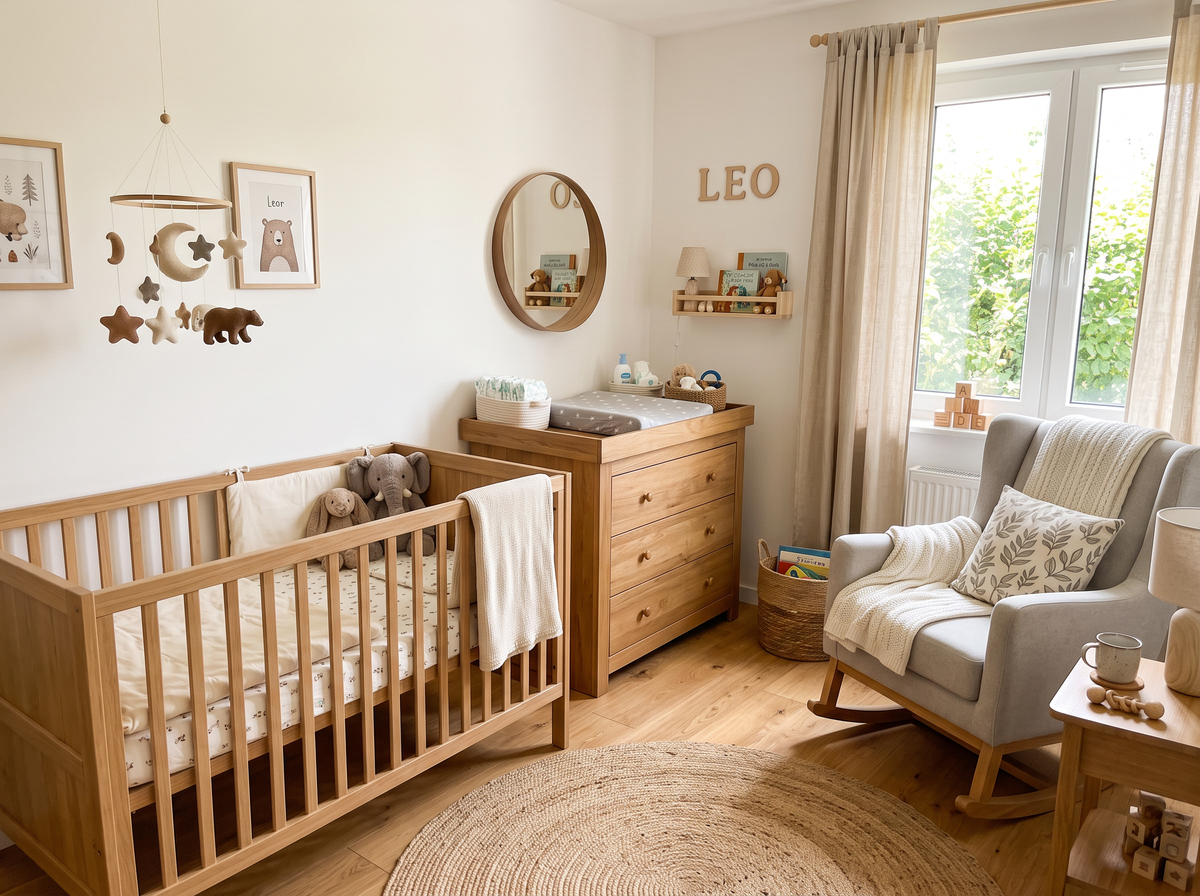
Nursery Ideas – How to Design a Safe and Cosy Room for Your Baby
Do you remember the peaceful lullabies playing quietly from a cassette tape or radio in your childhood bedroom? The soft, warm glow of a small nightlight on the bedside table, the soothing scent of freshly washed cotton blankets, and the gentle feeling of utter safety as someone tucked you in? There is an undeniable magic to those early memories—a quiet, unhurried warmth that stays with us through youth, student days, and into adulthood.
Read moreabout Nursery Ideas – How to Design a Safe and Cosy Room for Your Baby
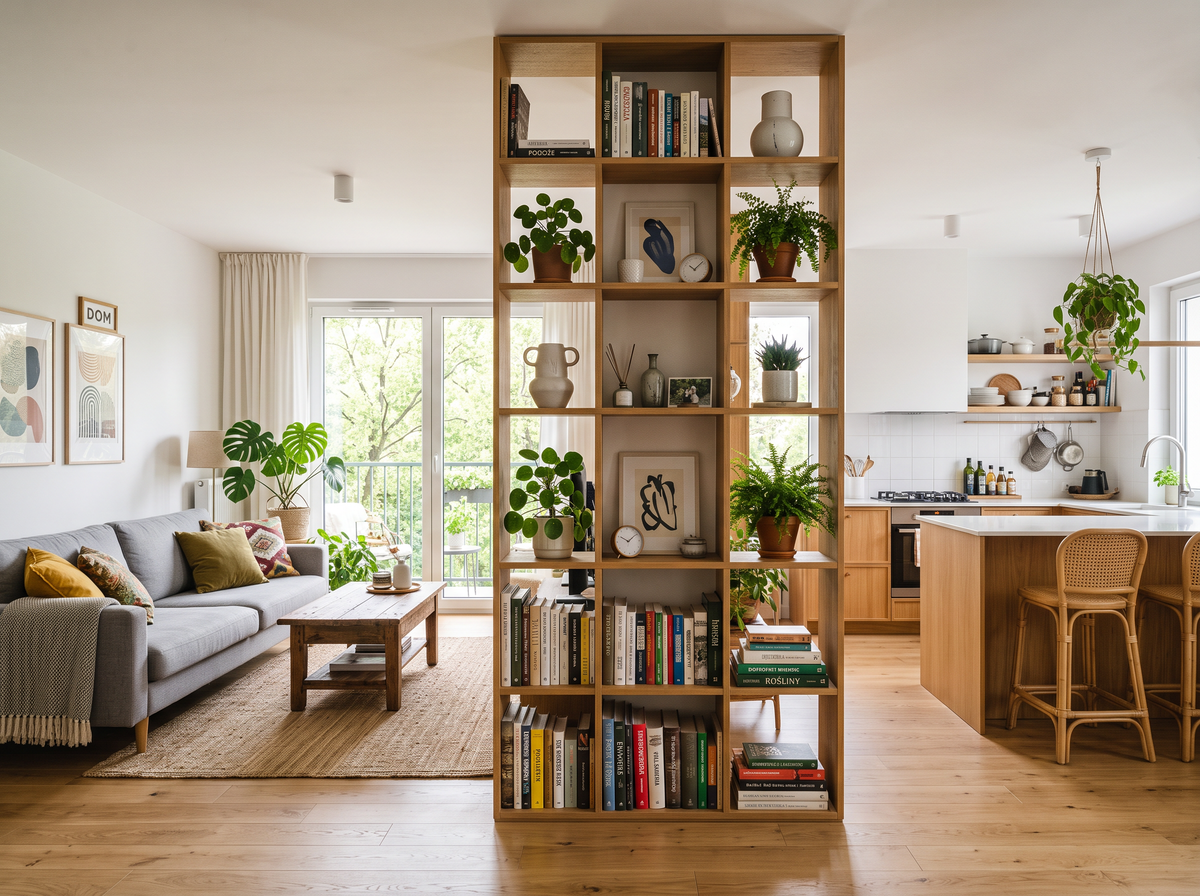
Room Divider Ideas – How to Split an Open-Plan Space Into Zones Without Building Walls
Do you remember the effortless freedom of your student days or your very first rented flat? The sound of a favorite vinyl or cassette spinning in the background, late-night conversations over tea, and a single, multi-purpose room where life seamlessly unfolded—from studying and relaxing to hosting friends. There was an undeniable warmth to that chaotic simplicity. It wasn't about lavish, rigid walls; it was about creating a cozy nook that felt entirely like yours.
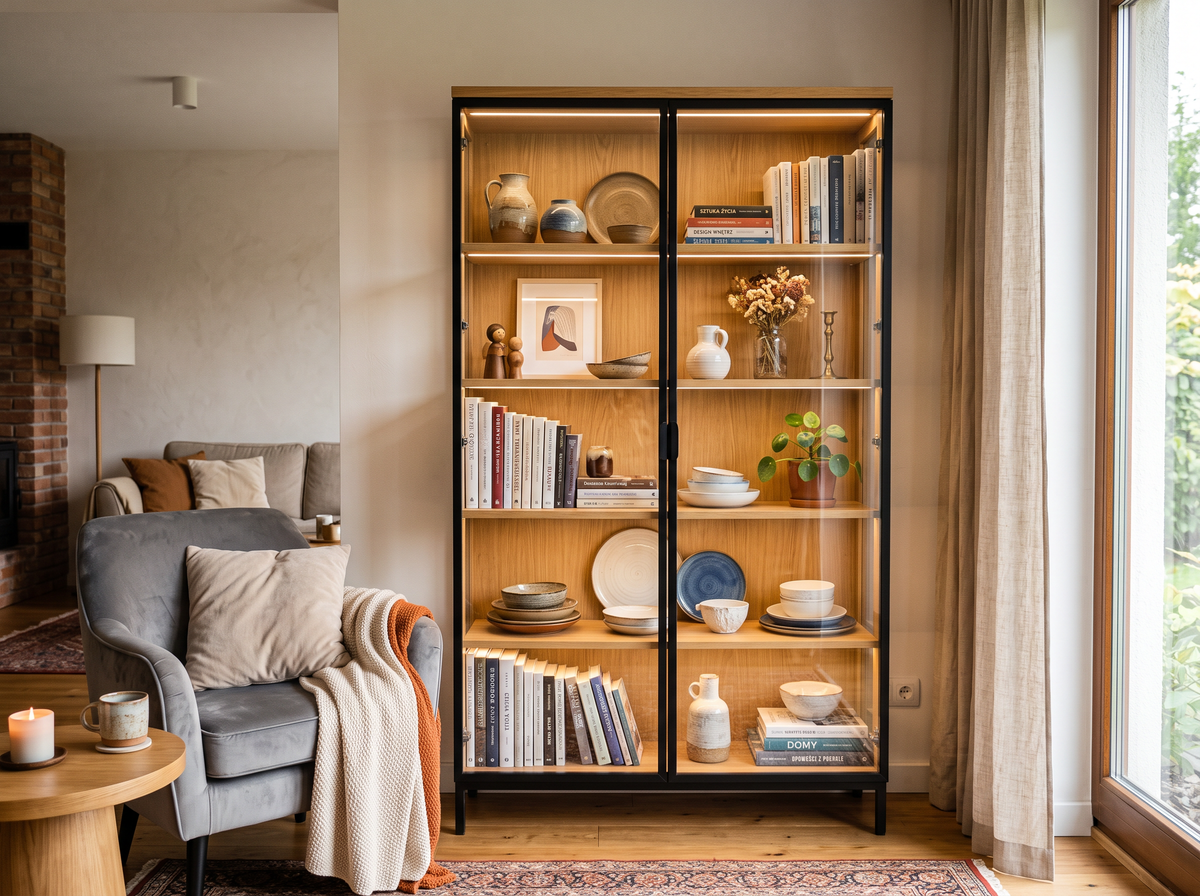
Display Cabinet Ideas – How to Choose and Style a Cabinet That Shows Off Your Collection
Do you remember the warm, Sunday afternoon scent of freshly baked cake floating through your family home? The quiet clinking of patterned porcelain cups, the gentle glow of sunlight filtering through the curtains, and the soft hum of the radio in the background playing an iconic song from your youth—a track by Maanam, Perfect, or Lady Pank that became the soundtrack to your summer holidays?



Share:
Guest Bedroom Ideas – How to Create a Comfortable and Stylish Guest Room
Best Type of Mattress – How to Choose the Right Mattress for Better Sleep