


- by Daniel Pawlik
What Is Bouclé Fabric? Discover Why It's the Perfect Choice for Stylish Upholstery and Sofas
- by Daniel Pawlik
Quick answer: bouclé (boucle) is a fabric woven or knitted from looped, curled yarn – the name comes from the French boucler, “to curl”. The loops give it a soft, nubby texture that feels like sheep's wool. Bouclé upholstery fabric is usually a blend of wool, cotton, polyester or acrylic; tightly woven synthetic blends are durable, hide small dirt and suit homes with kids and pets. To clean bouclé, vacuum on low suction, blot spills with mild soapy water and trim pulled loops instead of pulling them.
There's a particular kind of armchair that lives in the collective memory — the curved, cloud-like silhouette in your grandmother's reading corner, or the one you spotted in an old film and never quite forgot. Chances are, that chair was wrapped in bouclé. After decades quietly waiting in the wings, this nubby, sculptural fabric has returned to the spotlight, and it's reshaping how we think about cosy modern interiors.
If you've been wondering what is bouclé fabric and why it suddenly seems to be everywhere — from design magazines to your favourite Pinterest board — you're in the right place. We'll walk you through everything from the basics of bouclé material to choosing the right bouclé fabric sofa and keeping it looking beautiful for years.
So, what is bouclé? The word comes from the French boucler, meaning "to curl" or "to loop," and that's exactly what defines this textile. Bouclé fabric is woven or knitted from yarn made of looped, knotted strands, creating a textured, slightly bumpy surface that feels like soft sheep's wool to the touch.
The fabric had its first cultural moment in the mid-20th century, when designers like Eero Saarinen used it on his iconic Womb Chair (1948), and Coco Chanel famously turned it into tailored jackets. Today, that mid-century DNA blends seamlessly with the slow-living, cosy-minimalist aesthetic dominating contemporary homes.
Most bouclé material is made from a blend of fibres, which can include:
Wool — warm, naturally resilient, slightly more luxurious in feel
Cotton — softer to the touch and more breathable
Polyester or acrylic blends — durable, easier to clean, often more affordable
Mohair or alpaca — used in higher-end pieces for extra softness
The popularity of bouclé fabric isn't just a passing trend — it's about how the fabric feels. In rooms full of smooth screens and hard surfaces, that tactile quality offers something genuinely comforting, almost like coming home to a warm jumper after a long day.

Bouclé upholstery fabric works beautifully on furniture for several reasons that go well beyond looks. The looped weave creates natural depth and visual interest without needing a pattern, which means it sits comfortably in both maximalist rooms and pared-back, monochrome interiors.
Here's why it's become such a favourite when people choose bouclé fabric for upholstery:
Texture as decoration — the fabric brings dimension to a sofa or chair without competing with other elements in the room
A versatile colour story — in earthy neutrals, soft creams, mossy greens, and warm taupes, bouclé fabric pairs naturally with the timeless palette of beige, sand, and sage
Light interaction — the looped surface catches and diffuses daylight, giving upholstered pieces a soft, almost sculptural presence
Style flexibility — equally at home with mid-century, Scandinavian, Japandi, or contemporary boho design
A bouclé upholstery fabric in warm cream or olive can ground a small living room, while a deeper shade makes a quiet statement on a single accent chair. If you're curious about pairing textures across a room, you can read more about choosing the right upholstery in our dedicated fabric guide.
Choosing a bouclé fabric sofa isn't only about colour — it's about matching the piece to how you actually live. A sofa is where you'll watch films on rainy Sundays, take naps you didn't plan to take, and host friends who stay too late. It deserves real consideration, not an impulse click.
Here's a quick checklist we recommend before you buy:
Measure twice — note the doorway, hallway, and the wall where the sofa will live; bouclé sofas often have generous, curved silhouettes that need breathing room
Think about the frame — a hardwood frame with sinuous springs will outlast trendier shortcuts; the upholstery is only as good as what sits beneath it
Consider the colour — neutral bouclé fabric ages best, but don't be afraid of sage green or rust if it makes the room feel like yours
Test the seat depth — deeper seats suit loungers and film nights; shallower seats are better for upright conversation
Check the fibre content — wool blends feel more luxurious but cost more; synthetic blends are practical for households with kids and pets
If you live in a smaller apartment, a curved two-seater in a soft tone can make the room feel larger and softer at the same time. For open-plan spaces, a modular bouclé fabric sofa lets you reshape the layout as your life shifts. You can explore our curated bouclé pieces at pillovely.com, where we've selected sofas designed to be lived in, not only looked at.
The most common worry we hear is whether bouclé is hard to maintain. The honest answer: knowing how to clean bouclé fabric properly makes all the difference, and it's simpler than most people assume.
A few care principles to keep in mind:
Vacuum weekly with an upholstery attachment on low suction — never a beater bar, which can pull the loops
Blot, don't rub when spills happen; press gently with a clean white cloth, working from the outside of the spill inward
Use mild solutions — a small amount of clear dish soap diluted in cool water handles most everyday marks
Avoid harsh chemicals — bleach, ammonia, and strong solvents can damage both the fibres and the dyes
Trim, don't pull — if a loop snags, snip it carefully with scissors at the base; pulling unravels the weave
Rotate cushions monthly to keep wear even across the seat
Call a professional for a deeper clean every 12 to 18 months, especially with wool blends
For households with pets, opt for tightly woven bouclé in synthetic blends — claws are less likely to catch, and stains release more easily. We cover specific stain treatments in our separate fabric care guide if you'd like a deeper dive.

What is bouclé fabric made of?
Bouclé material is typically a blend of wool, cotton, polyester, or acrylic, sometimes with mohair or alpaca added in premium pieces. The defining feature isn't the fibre itself but the looped yarn structure that gives it its signature bumpy texture.
Is bouclé fabric durable enough for everyday use?
Yes, particularly in tighter weaves and synthetic blends. A quality bouclé upholstery fabric on a well-built frame can last well over a decade with regular, gentle care.
Does bouclé work in small living rooms?
Absolutely. A curved two-seater bouclé fabric sofa in a soft neutral can make a compact room feel layered and inviting without overwhelming the space.
How do you remove a stain from bouclé fabric?
Blot the spill immediately with a clean cloth, then dab gently with cool water and a drop of mild soap. Always test in a hidden area first and avoid soaking the fabric.
Is bouclé pet-friendly?
It can be. Choose a tightly woven synthetic-blend bouclé fabric for upholstery if you live with pets, and trim any pulled loops promptly rather than tugging at them.
Will bouclé go out of style?
Bouclé has been around since the 1940s and keeps returning because the texture itself feels timeless. Stick to grounded, natural tones and your piece will quietly outlast any trend cycle.
There's something quietly nostalgic about a bouclé piece — it carries echoes of older living rooms, of slower evenings, of homes that felt unmistakably somebody's. If you'd like to bring that feeling into your own space, take a look at our bouclé collection at pillovely.com. We think you'll find a piece that doesn't just fit the room — it fits you.
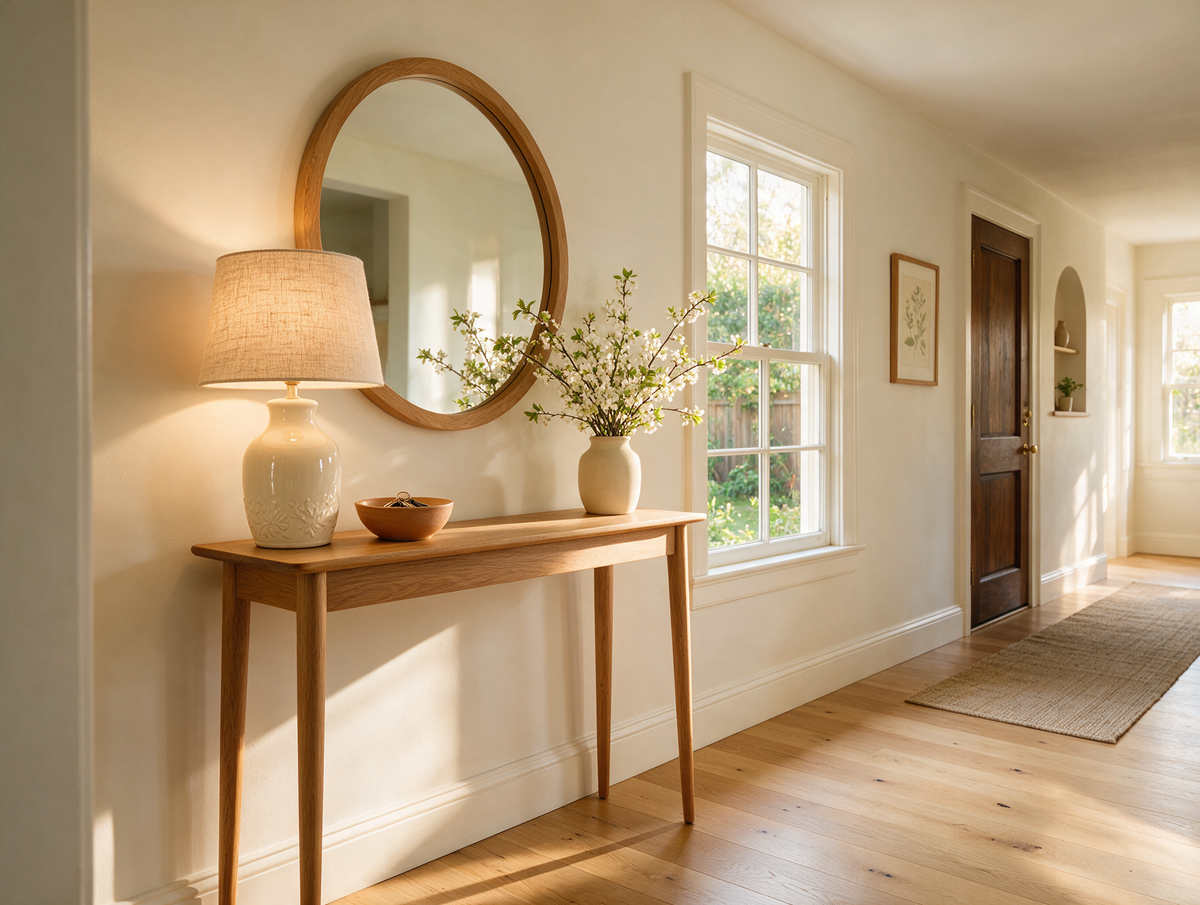
Console Table Ideas – Where to Use One and How to Style It
Do you remember coming home from school and dropping everything on the little table by the front door? Keys in the china dish, letters propped against the lamp, a vase of whatever was flowering in the garden and the old telephone with its curly cord. It was the first thing you saw when you walked in, and somehow it always said: you are home.
Read moreabout Console Table Ideas – Where to Use One and How to Style It
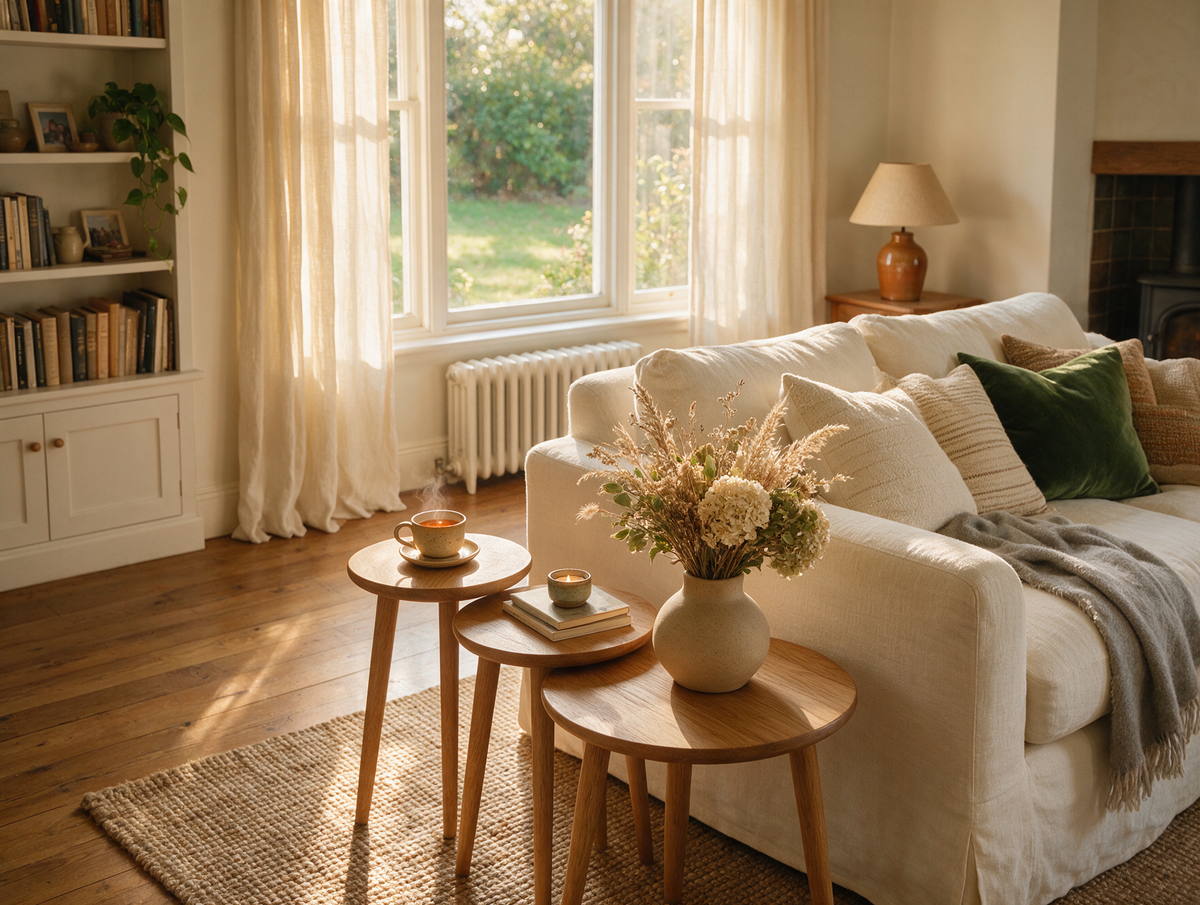
Nest of Tables – What Are They, Who Are They For and How to Style Them
Do you remember Sunday visits to your nan's, when the nest of tables came out from beside the armchair? Three little tables, each tucked neatly under the next, were pulled apart and handed round – one for the teapot, one for the biscuit tin and one for Grandad's crossword – and then slid back together the moment everyone went home.
Read moreabout Nest of Tables – What Are They, Who Are They For and How to Style Them
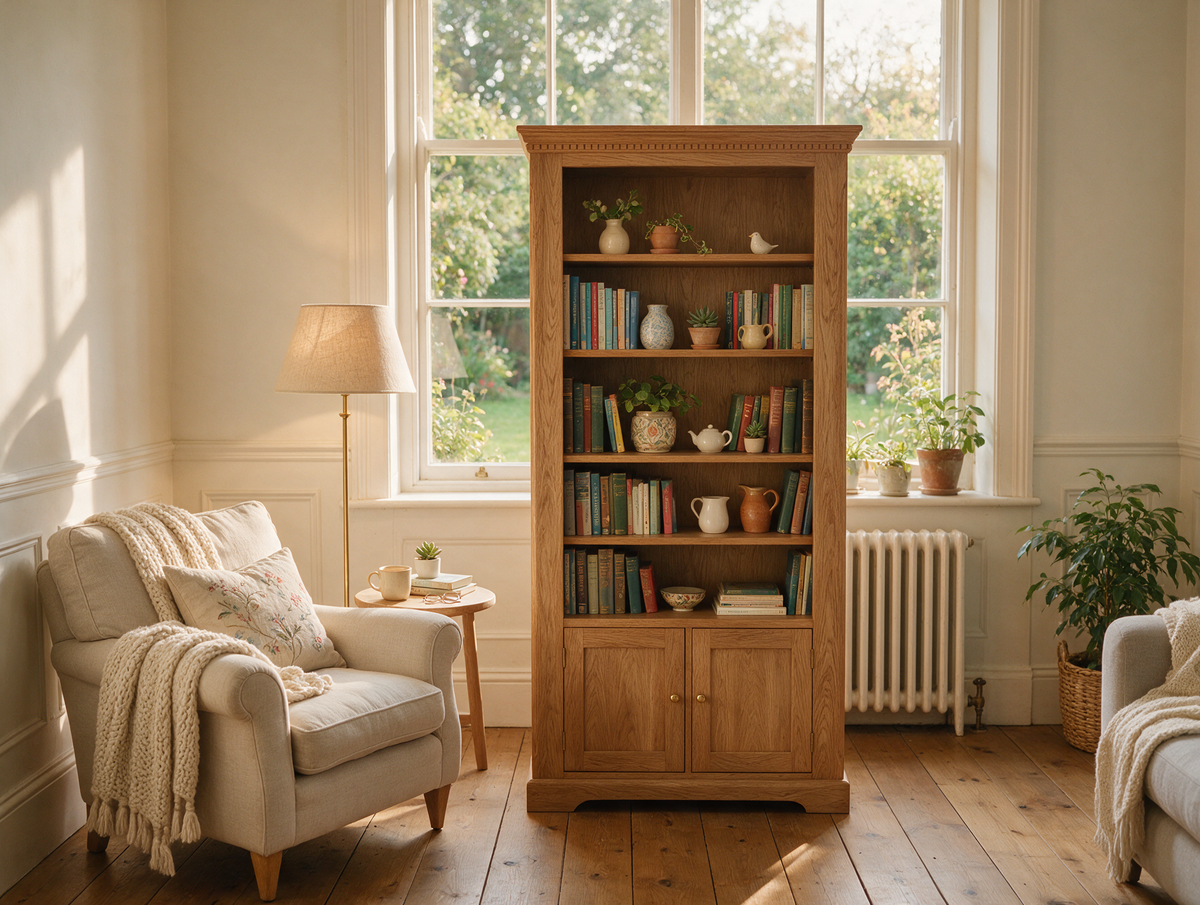
Bookcase Ideas – How to Choose and Style a Bookshelf for Your Living Room
Do you remember the bookcase in your grandparents' front room? Rows of faded paperbacks, a set of encyclopaedias nobody ever finished, holiday souvenirs, a framed school photo and that one heavy atlas you pulled out on rainy afternoons. It was never styled for anyone – and yet it told the whole story of the family.
Read moreabout Bookcase Ideas – How to Choose and Style a Bookshelf for Your Living Room



Share:
How to Paint Furniture – Step-by-Step Guide to a Professional Finish
What Colour Goes with a Brown Leather Sofa? Stylish Living Room Ideas & Perfect Cushion Combinations