


- by Daniel Pawlik
Best Type of Mattress – How to Choose the Right Mattress for Better Sleep
- by Daniel Pawlik
Sleep shapes everything — your mood, your focus, how you feel in the morning. Yet many of us spend years on the wrong mattress, never quite understanding why rest feels elusive. Choosing the best type of mattress is one of the most personal decisions you'll make for your home. Think about it: a mattress isn't just furniture. It's the place where you recover, dream, and wake up ready to face the day — the way you once woke up as a child, refreshed and full of energy, in a bed that felt just right.
The challenge? There's no single best mattress for sleeping that suits everyone. Your sleep position, body weight, temperature, and health needs all play a role. This guide breaks down the best types of mattresses clearly and practically, so you can make a confident choice — no guesswork, no buyer's regret. As covered in our comprehensive mattress guide, the key is matching mattress type to your lifestyle.
Understanding the main best types of mattresses is your foundation for smarter buying. Each type offers a different balance of support, comfort, and durability.
Memory foam — Memory foam mattresses contour closely to your body, relieving pressure at hips and shoulders. They're excellent for side sleepers and those with joint pain, offering outstanding motion isolation — ideal for couples. The trade-off: they retain heat and respond slowly, which can bother hot sleepers.
Latex — Natural latex is elastic, breathable, and eco-friendly, making it one of the best mattress types for allergy sufferers or environmentally conscious buyers. It provides a buoyant, responsive feel rather than the slow sink of foam.
Innerspring (pocket spring) — The classic. Individual coils respond independently to movement, providing excellent support and airflow. A strong pick for back and stomach sleepers who need firmer, more reactive support. The best mattress for sleeping cool? Pocket spring is often it.
Hybrid — Hybrid mattresses combine a coil base with foam or latex comfort layers, offering the best of both worlds: bounce and support from springs, pressure relief from foam. Great all-rounders, especially for couples with differing preferences.
HR foam (high-resilience foam) — Lightweight, affordable, and durable, HR foam is a practical best mattress type for guest rooms or occasional use.
Key takeaway: No single best type of mattress wins universally. What matters is matching the type to how you sleep.

What type of mattress is best for sleeping comfortably depends heavily on your sleep position. This is one of the most overlooked factors — and one of the most important.
Side sleepers need a softer surface that cushions hips and shoulders. Memory foam or a soft hybrid ranks as the best mattress type here. We recommend exploring our Softly Mattress — designed with a flexible, contouring construction that cradles pressure points for a genuinely restful night.
Back sleepers need balanced support that keeps the spine aligned. Medium-firm foam or pocket spring is the best type of mattress for this position. Our Pillov Mattress hits this sweet spot with layered support that prevents sinking.
Stomach sleepers require firmer surfaces to keep hips from dropping and straining the lower back. Innerspring or firm HR foam works best here. The Koldra Mattress with its 7 ergonomic firmness zones offers precise support across different body zones.
Combination sleepers — those who shift positions throughout the night — benefit most from responsive latex or hybrid models that adjust quickly as you move.
Body weight also matters:
Under 60 kg: Softer mattress types prevent pressure buildup on lighter frames.
60–90 kg: Medium-firm is the most versatile mattress for sleeping at this range.
Over 90 kg: Firm hybrid or HR foam provides lasting support without sagging.
Imagine sinking into a mattress that feels like your childhood bed, but with the modern spinal support your adult body actually needs. That's what the right best type of mattress delivers every single night.
What is the best type of mattress for your specific needs comes down to a checklist of personal factors beyond sleep position alone.
Temperature regulation:
Hot sleepers → pocket spring or latex (breathable, open structure)
Cold sleepers → memory foam (retains body heat naturally)
Health considerations:
Back pain → medium-firm hybrid or zoned foam (supports lumbar curve)
Allergies → natural latex or hypoallergenic foam like our Peas Mattress, designed with an even, hypoallergenic surface
Joint issues → soft memory foam with pressure-relief contouring
Lifestyle and household:
Couples → hybrid or memory foam (motion isolation reduces disturbance)
Children or growing teens → medium-firm HR foam (supportive, durable, budget-friendly)
Guest rooms → lightweight HR foam or a versatile medium like the Dream Mattress
Budget:
Entry-level: HR foam or basic innerspring
Mid-range: Quality memory foam or pocket spring
Premium: Natural latex or multi-layer hybrid
Personalization is at the heart of what we believe at Pillovely. Your best mattress type should reflect your life — your sleep habits, your body, your home. Not someone else's top pick.
Before settling on the best mattress type, run through these practical considerations to avoid costly mistakes.
Firmness scale (1–10):
1–3: Soft – side sleepers, lighter body types
4–6: Medium – most versatile, suits combination sleepers
7–10: Firm – stomach sleepers, heavier builds
Thickness: Standard mattresses range from 15 to 30 cm. Thicker models (20–25 cm) offer more comfort layers and better durability for daily use.
Materials checklist before buying:
Does the foam have a certified density (min. 30–40 kg/m³ for durability)?
Is the cover removable and washable?
Are natural or hypoallergenic materials important to you?
Does the mattress suit your bed frame type (slatted, box, adjustable)?
Trial and return policy: Always check return windows. A mattress needs at least 3–4 weeks to fully adapt to your body.
Our Cloud Mattress combines breathable construction with medium-firm support — a safe, comfortable choice for most sleepers who simply want to stop overthinking and start sleeping better.

What is the best type of mattress for most people?
A medium-firm hybrid or pocket spring mattress suits the widest range of sleepers, offering both support and comfort. It's the most versatile mattress type for back, side, and combination sleepers.
What type of mattress is best for back pain?
Medium-firm memory foam or a zoned hybrid is widely recommended. Zoned support, like Pillovely's Koldra Mattress with 7 firmness zones, keeps the spine aligned and reduces morning stiffness.
What is the best type of mattress for side sleepers?
Soft to medium memory foam or a soft hybrid. These contour to the hips and shoulders, relieving the pressure points most common for side sleepers.
What type of mattress is best for hot sleepers?
Pocket spring or natural latex — both allow air to circulate through the structure, preventing heat buildup that foam tends to retain.
How long should the best mattress for sleeping last?
A quality mattress lasts 8–10 years with proper care. HR foam and innerspring tend toward the lower end; latex and premium hybrids last longer.
Is a firmer mattress always better for your back?
No. Very firm mattresses can create pressure points. Medium-firm is generally considered the best mattress type for back support, keeping the spine neutral without excess stiffness.
Explore Pillovely's full mattress collection — from the zoned Koldra to the lightweight Softly — and find your perfect match for deeper, more restful sleep.
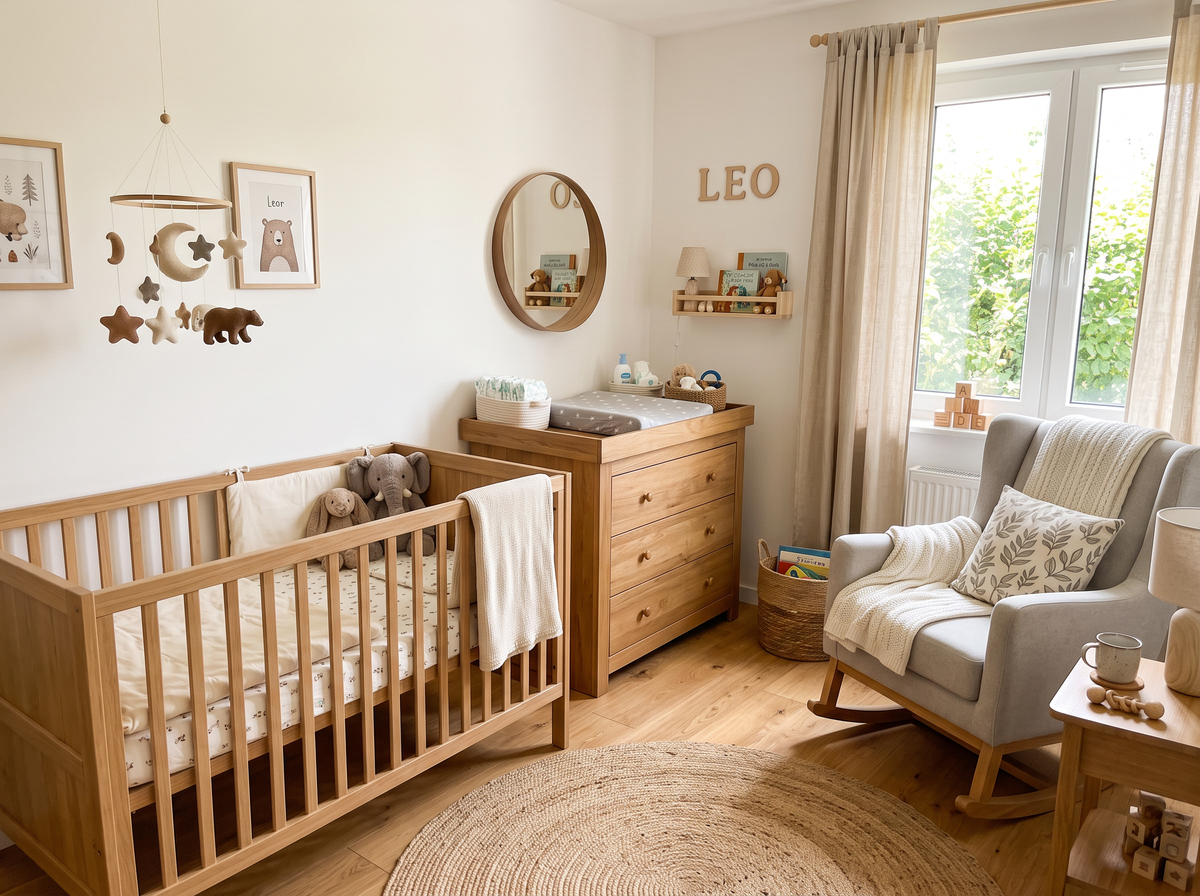
Nursery Ideas – How to Design a Safe and Cosy Room for Your Baby
Do you remember the peaceful lullabies playing quietly from a cassette tape or radio in your childhood bedroom? The soft, warm glow of a small nightlight on the bedside table, the soothing scent of freshly washed cotton blankets, and the gentle feeling of utter safety as someone tucked you in? There is an undeniable magic to those early memories—a quiet, unhurried warmth that stays with us through youth, student days, and into adulthood.
Read moreabout Nursery Ideas – How to Design a Safe and Cosy Room for Your Baby
Room Divider Ideas – How to Split an Open-Plan Space Into Zones Without Building Walls
Do you remember the effortless freedom of your student days or your very first rented flat? The sound of a favorite vinyl or cassette spinning in the background, late-night conversations over tea, and a single, multi-purpose room where life seamlessly unfolded—from studying and relaxing to hosting friends. There was an undeniable warmth to that chaotic simplicity. It wasn't about lavish, rigid walls; it was about creating a cozy nook that felt entirely like yours.
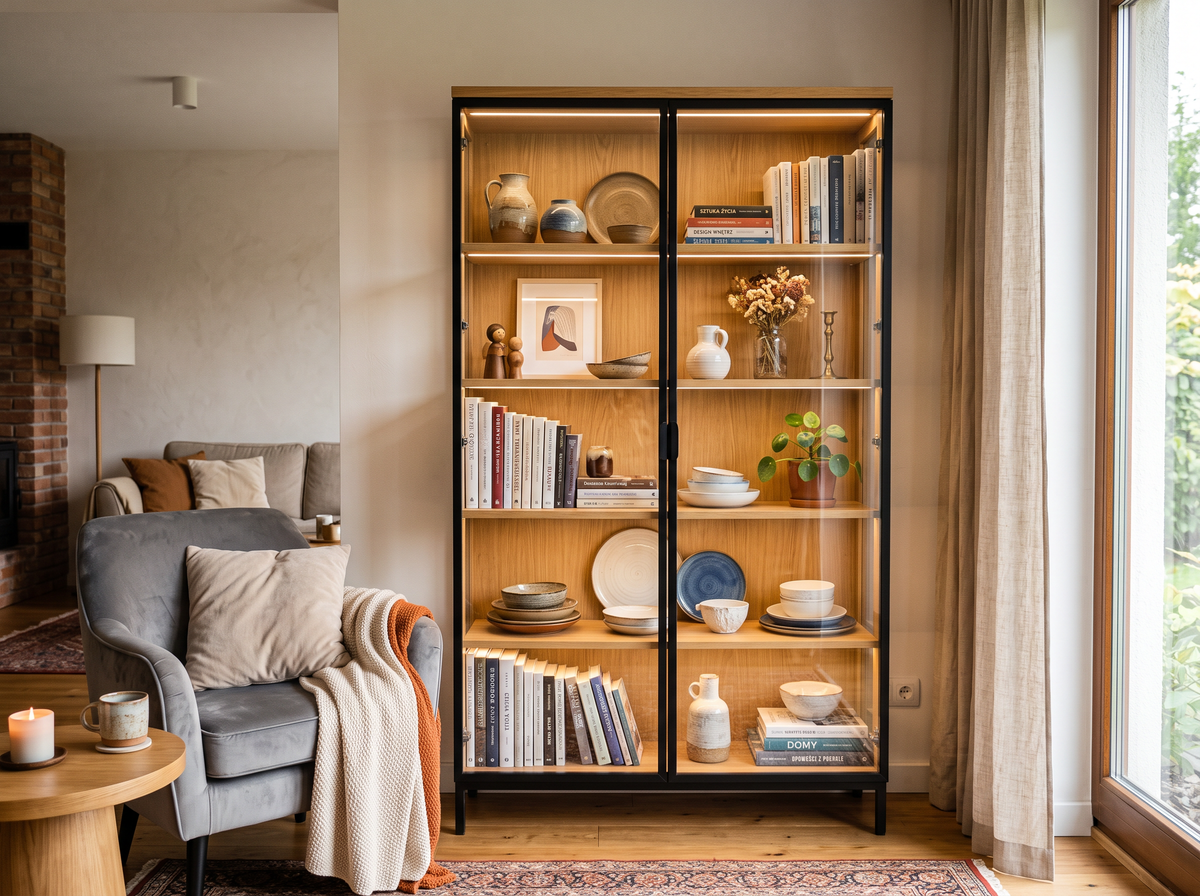
Display Cabinet Ideas – How to Choose and Style a Cabinet That Shows Off Your Collection
Do you remember the warm, Sunday afternoon scent of freshly baked cake floating through your family home? The quiet clinking of patterned porcelain cups, the gentle glow of sunlight filtering through the curtains, and the soft hum of the radio in the background playing an iconic song from your youth—a track by Maanam, Perfect, or Lady Pank that became the soundtrack to your summer holidays?




Share:
Sofa Dimensions – How to Measure a Sofa Correctly Before Buying
Pet Friendly Sofa: How to Choose a Stylish Couch That Survives Dogs and Cats