


- by Daniel Pawlik
Nursery Colors – How to Choose Hues that Support Development and Calm
- by Daniel Pawlik
Do you remember those intensely pink or blue children's rooms from the 90s that resembled a burst of colors? Today, we know that children's room colors have a huge impact not only on aesthetics but, most importantly, on a child's well-being and development. The psychology of color in a child's room has become a subject of research, showing how colors affect concentration, creativity, and the quality of sleep in the youngest. At Pillovely, we believe that a thoughtful choice of colors is the foundation of a harmonious interior – a space that supports the child at every stage of development. In this guide, you will discover what color to choose for a child's room to create a place full of peace and inspiration.
The psychology of color in a child's room is a fascinating field that shows that colors are not just a matter of taste – they are a tool that influences mood, energy, and the ability to concentrate. Each color carries a specific meaning and evokes particular emotional responses.

Blue – peace and concentration
Blue is one of the most calming colors for a child's room. Studies show that shades of blue lower heart rate and blood pressure, promoting relaxation. It is an ideal color for the sleeping area – it helps with falling asleep and ensures peaceful sleep. Just like those carefree 90s when peace and safety were paramount.
Muted blues, blue-gray shades, or pastel azure work well in both boys' and girls' rooms. Avoid intense, bright blue – it can feel cold and off-putting.
Green – harmony and nature
Green is the color of nature, which naturally calms and balances emotions. Calming colors for children often rely on green – from delicate mint to warm sage. This color promotes concentration, making it excellent for the study area. Green blends well with wood and natural materials, which we love at Pillovely. Furniture made of natural wood harmonizes beautifully with green walls, creating a serene, organic space.
Yellow – energy and joy
Yellow stimulates the mind and awakens joy – it is the color of the sun, bringing optimism. In a child's room, it works best as an accent, not a dominant color – too much yellow can be overstimulating. A delicate, warm yellow in the play area adds energy and encourages creativity.
Pink – tenderness and peace
Contrary to stereotypes, pink is not just for girls. Powder pink, a muted shade, has calming properties and creates an atmosphere of warmth. It is a color that alleviates aggression and tension – ideal for children's rooms of all ages. Avoid intense fuchsia or bright pink – they can be overwhelming.

Purple – imagination and spirituality
Purple stimulates imagination and creativity. Lavender and lilac shades create an atmosphere of mystery and playfulness – like those magical fairytale rooms that captivated us in childhood. In a subdued form, purple supports peaceful sleep and meditation.
What color to choose for a child's room to be both functional and beautiful? This is a question every parent planning a design asks themselves. Here are practical tips to make the decision easier.
Adjust the color to the child's age
Children's room colors should evolve with age. Infants respond best to pastel, muted colors – their eyesight is still developing, and intense colors can be overwhelming. Beiges, light grays, delicate blues are a safe choice. Preschoolers (3-6 years old) need more color – this is a time of exploration and intense experiences. Introduce vibrant accents through accessories – cushions, curtains, posters – which are easy to change. School-aged children and teenagers prefer more subdued, "adult" colors. Neutral bases with personalization options are key – let the child co-decide on the wall color.
Consider the room's sun exposure
Children's room wall colors should take into account light exposure. North-facing rooms are cooler – warm them with beiges, peaches, warm grays. South-facing rooms can be cooled with blues, mints, light grays. Natural light changes the perception of color – always test the paint on a small section of the wall and observe it at different times of the day. It's like choosing that perfect jacket – you have to try it on in different lighting conditions.
Defining space zones with color
Colors in a child's room can define functional zones. Muted, calming colors by the bed promote falling asleep. Livlier accents in the play area add energy. Neutral, focusing colors by the desk support concentration. Zoning can be achieved with one wall in a different color, wallpaper, or wall stickers. This is a flexible solution that allows for changes in design without significant costs.
Children's room paint colors are not just a matter of aesthetics – safety is equally important. Choose certified, child-safe paints with low volatile organic compound emissions.
Trendy colors for 2026
The color for a child's room in 2026 is primarily about nature and tranquility. Earth tones – terracotta, clay, sand – bring warmth and coziness. It's a return to roots, to the simplicity of the 90s, when we valued authenticity. Sage green, powder blue, lavender gray – this is a palette that combines calm with elegance. At Pillovely, we love natural shades that never get boring and match natural wooden furniture. Warm whites and creamy shades are a classic that always works. It's a universal base that a child can personalize with accessories according to their own preferences.
Special paints for children
Choose paints with safety certificates – anti-allergenic, washable, dirt-resistant. Chalkboard paint on one wall is a great idea for older children – a space for drawing with chalk develops creativity. Magnetic paints allow hanging artwork without drilling holes.
Surface finish
A matte finish hides wall imperfections and is easier to touch up. Satin is easier to clean – ideal for rooms of little artists. Avoid glossy finishes – they reflect light and can interfere with sleep.
Calming colors for children are crucial in the sleeping area – they affect sleep quality and regeneration. Studies show that children sleeping in rooms with subdued colors fall asleep faster and sleep more deeply.
Palette of tranquility
Blues, lavenders, soft grays, delicate greens – these are colors that naturally calm the nervous system. Neutral beiges and whites create a clean, simple background conducive to relaxation. It's like those minimalist interiors from the early 2000s, full of space and tranquility.
Avoid red, intense orange, bright yellow in the sleeping area – these colors stimulate and make it difficult to fall asleep. If your child loves intense colors, introduce them through accessories that can be put away before bedtime.

Combination with natural materials
Children's room colors work best in combination with natural materials. Wooden furniture, linen bedding, cotton curtains, wool rugs – these are elements that create harmony. At Pillovely, we believe in conscious production and materials that breathe with the child. Natural wood tones warm up subdued wall colors. Chests of drawers, shelving units, nightstands made of natural wood beautifully complement a palette of tranquility.
Light as a color element
Lighting changes the perception of color and affects mood. Warm light (2700-3000K) warms colors and promotes relaxation in the evening. Cold light (4000K+) enlivens colors and supports concentration during study. Dimmers allow you to adjust light intensity – bright in the morning and for studying, dimmed in the evening. This is a simple solution that significantly impacts the child's comfort.
Final advice – colors tailored to needs
Children's room colors are not a trend, but a conscious choice that supports the development and well-being of the youngest. The psychology of color in a child's room shows that colors have a real impact on emotions, concentration, and sleep. Choose calming colors for children in the sleeping area, inspiring ones at the desk, and joyful ones in the play area.
Discover Pillovely furniture – chests of drawers, shelving units, cabinets – all designed with harmony with natural colors in mind. Our natural wooden furniture beautifully complements any palette, creating spaces full of warmth and character.
Because remember – your child deserves a room that supports their development and provides a sense of security. Colors in a child's room are the foundation of this harmony.
Pillovely – for those who want more.
If you liked this text, be sure to check out our other inspirations:
Smart furniture for small spaces – how to functionally furnish every square meter?
Loveseat - What Is It, Who Is It For and How to Choose the Right One?
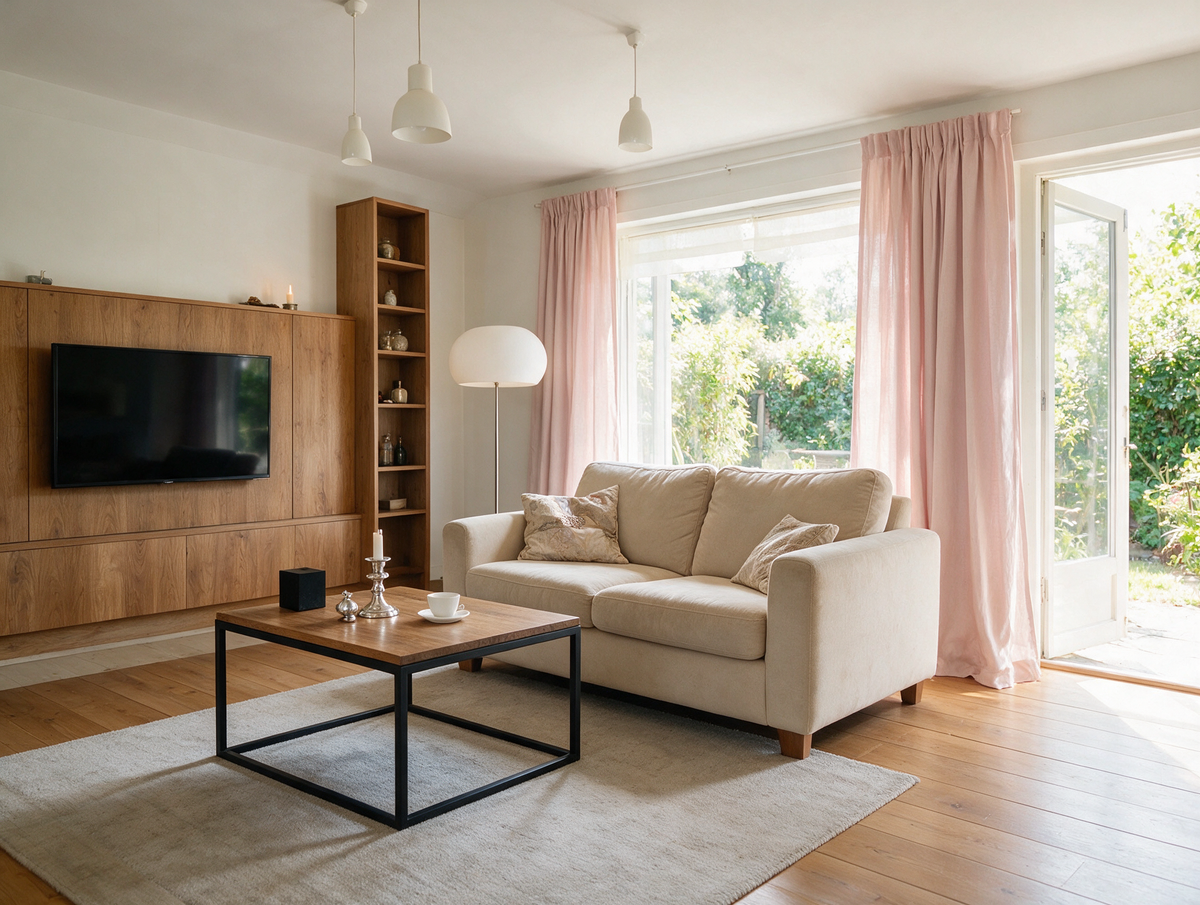
A loveseat is one of those pieces of furniture that can completely change how a room works. It is smaller than a classic sofa, more generous than a single armchair and often easier to place in compact interiors. A loveseat can create a cosy sitting area in a small living room, soften a bedroom corner, complete a reading nook or work as an additional seat next to a larger sofa. Its strength lies in proportion: it gives you the feeling of a sofa without taking over the whole room.
Read moreabout Loveseat - What Is It, Who Is It For and How to Choose the Right One?
EU vs UK Bed Sizes – Will UK Bedding Fit a European Bed?
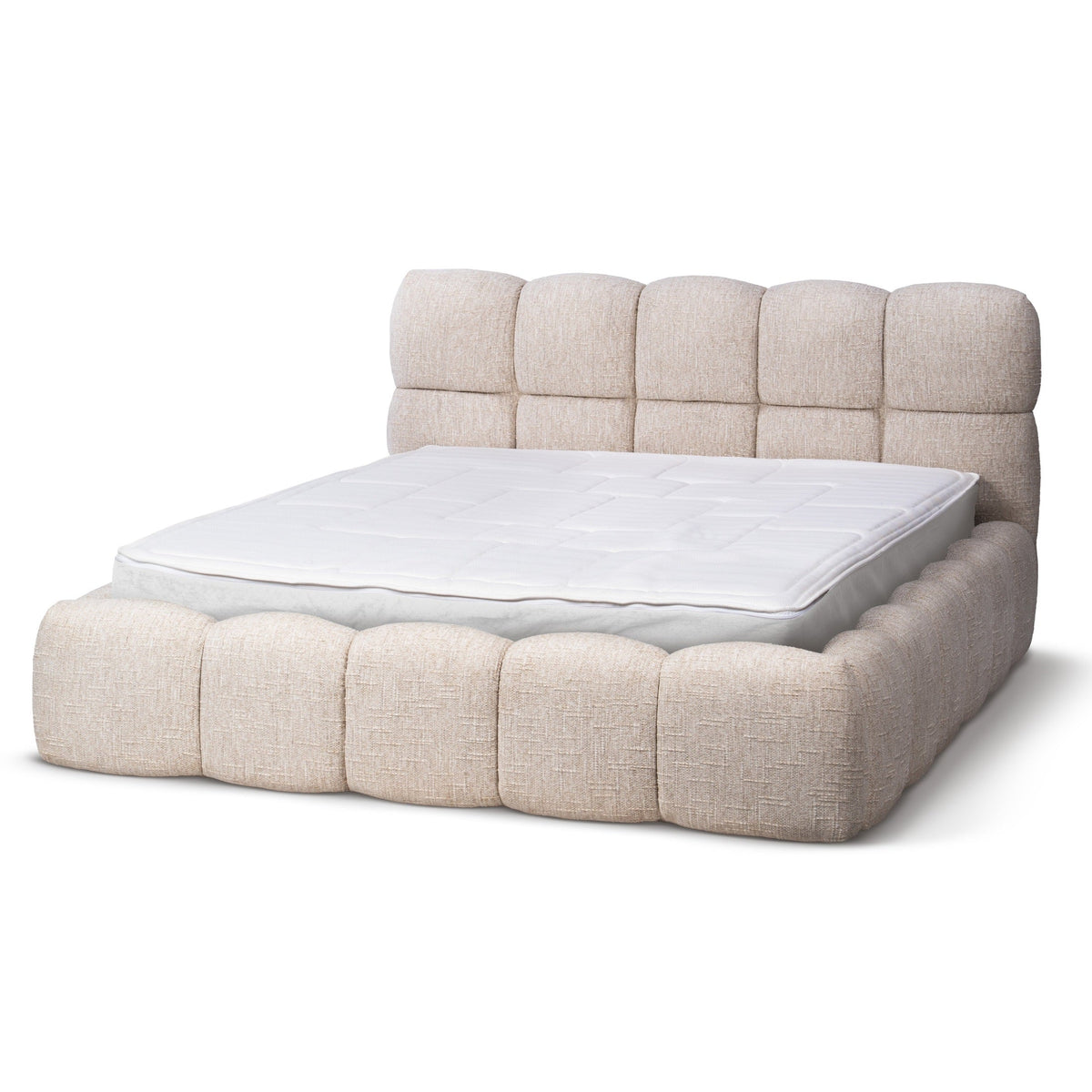
European beds are 200 cm long, UK beds 191 or 198 cm. A simple EU vs UK bed size table in cm – and what it means for your mattress and fitted sheets.
Read moreabout EU vs UK Bed Sizes – Will UK Bedding Fit a European Bed?
Autumn colors at home – shades that bring peace and warmth
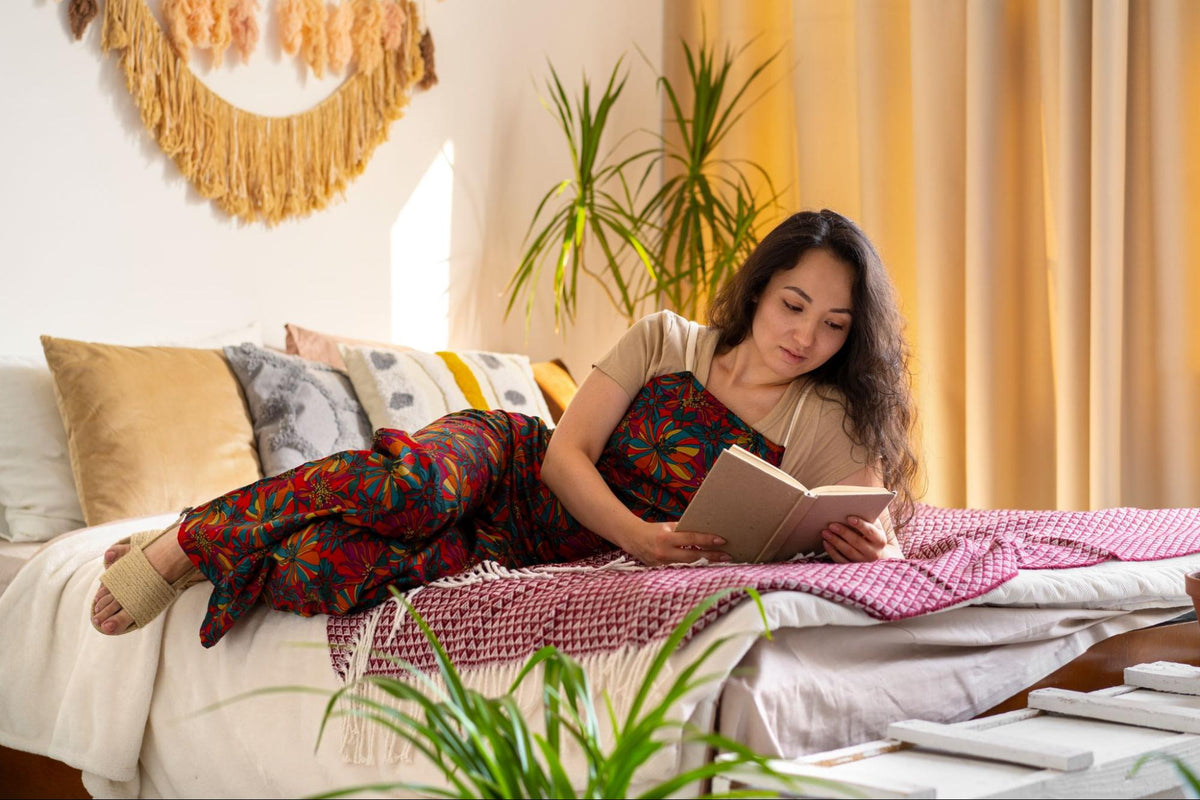
Do you remember autumn from your childhood, when the leaves changed color like a kaleidoscope, and your mom would pull out the pumpkin-colored sweater she'd worn since college? Or those evenings in front of the TV while a storm raged outside, and the lamplight in the house gave everything a warm, amber hue? Those were the days when no one talked about "color palettes" or "color stories"—colors simply existed, as natural as breathing. Today, when we can choose from 50 shades of gray (and no, I'm not talking about THAT book), we sometimes lose track of what truly makes a home feel cozy. At Pillovely, we believe that autumn colors aren't a trend—they're a return to what makes us feel safe. Because "You are someone"—someone who deserves a space filled with colors that snuggle like a grandma's blanket.
Read moreabout Autumn colors at home – shades that bring peace and warmth



Share:
Pilla's Reading Corner: Remigiusz Mróz - "Joanna Chyłka" series
Bottle green in interiors – elegance that never goes out of style