


- by Pillovely
Kommode für einen schmalen Flur – wie wählt man die richtige Tiefe aus?
- by Pillovely
In einem schmalen Flur kommt es vor allem auf die Tiefe der Kommode an, nicht auf ihre Breite – bei einem Flur mit einer Breite von 90–110 cm kann eine Kommode, die tiefer als 40–45 cm ist, den Durchgang erheblich verengen. Es lohnt sich, nach Modellen mit einer Tiefe von 35–40 cm zu suchen, auch wenn dies bedeutet, dass man sich für eine breitere, aber flachere Kommode entscheiden muss.

Im Bild gezeigtes Möbelstück: Kommode mit Schubladen 106x80 im Japandi-Stil | Mandala
Die Kommode „Bambouz“ in der Ausführung 81 x 81 cm hat bei ihrem fast quadratischen Format eine Tiefe von nur 40 cm – sie ist eines der flacheren Modelle im Katalog und bewährt sich gut im Flur oder in einem kleinen Schlafzimmer. Die 158 x 81 cm große Variante derselben Kollektion behält die gleiche Tiefe von 40 cm bei und bietet mehr Breite für Stauraum, ohne das schmale Profil zu beeinträchtigen.
| Modell | Maße (B x T x H) | Eine gute Wahl für |
|---|---|---|
| Kommode Bambouz 81x81 | 80,6 x 40 x 80,4 cm | einen schmalen Flur, ein kleines Schlafzimmer |
| Kommode Bambouz 158x81 | 157,9 x 40 x 80,4 cm | einen längeren, schmalen Flur |

Im Bild gezeigtes Möbelstück: Kommode 81x81 mit Lamellenfront im Japandi-Stil | Bambouz
Welche Tiefe ist bei einer Kommode in einem schmalen Flur sicher?
Bei einem Flur mit einer Breite von 90–110 cm wird eine Kommode mit einer Tiefe von maximal 35–40 cm empfohlen.
Ist es besser, eine schmale und tiefe Kommode oder eine breite und flache zu wählen?
Im Durchgang kommt es auf die Tiefe an – wählen Sie lieber ein breiteres, aber flacheres Modell (z. B. 40 cm), als ein schmaleres, aber tieferes.
Nimmt eine Kommode auf Füßen optisch weniger Platz ein?
Ja, der sichtbare Boden unter der Kommode lässt den Flur breiter wirken als bei einem Modell, das direkt auf dem Boden steht.
Kann man die genauen Maße vor dem Kauf überprüfen?
Jedes Produkt im Pillovely-Katalog verfügt in der Beschreibung über die vollständigen Maße (Breite x Tiefe x Höhe).
Sehen Sie sich die Kommode Bambouz 81x81 an, die größere Variante Bambouz 158x81 oder die gesamte Kommoden-Kollektion.
What Size Bed Fits Your Bedroom? A Room Size Chart
Do you remember rearranging your childhood bedroom furniture every few months, convinced that if the bed just went against the other wall, the whole room would finally feel right?
Read moreabout What Size Bed Fits Your Bedroom? A Room Size Chart
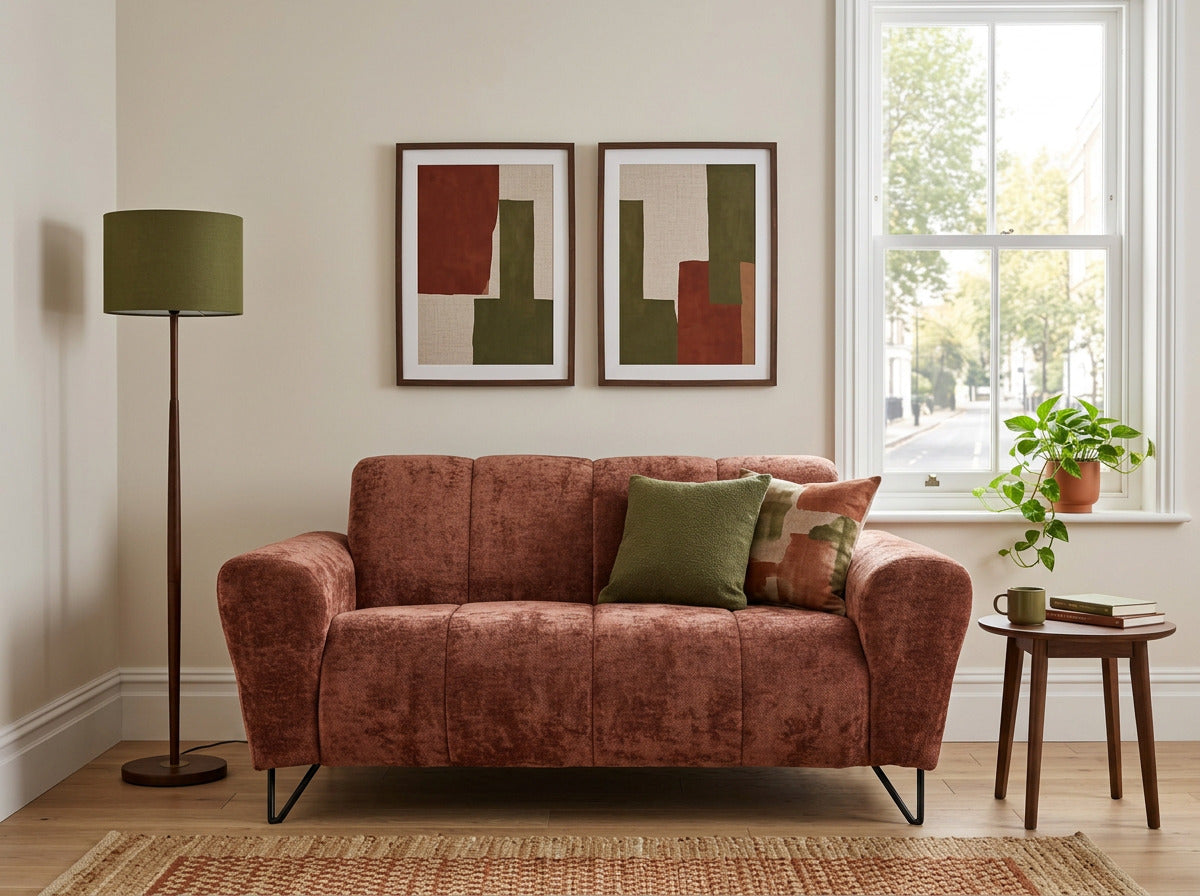
What sofa is best for a small living room? Compact models that fit
Read moreabout What sofa is best for a small living room? Compact models that fit
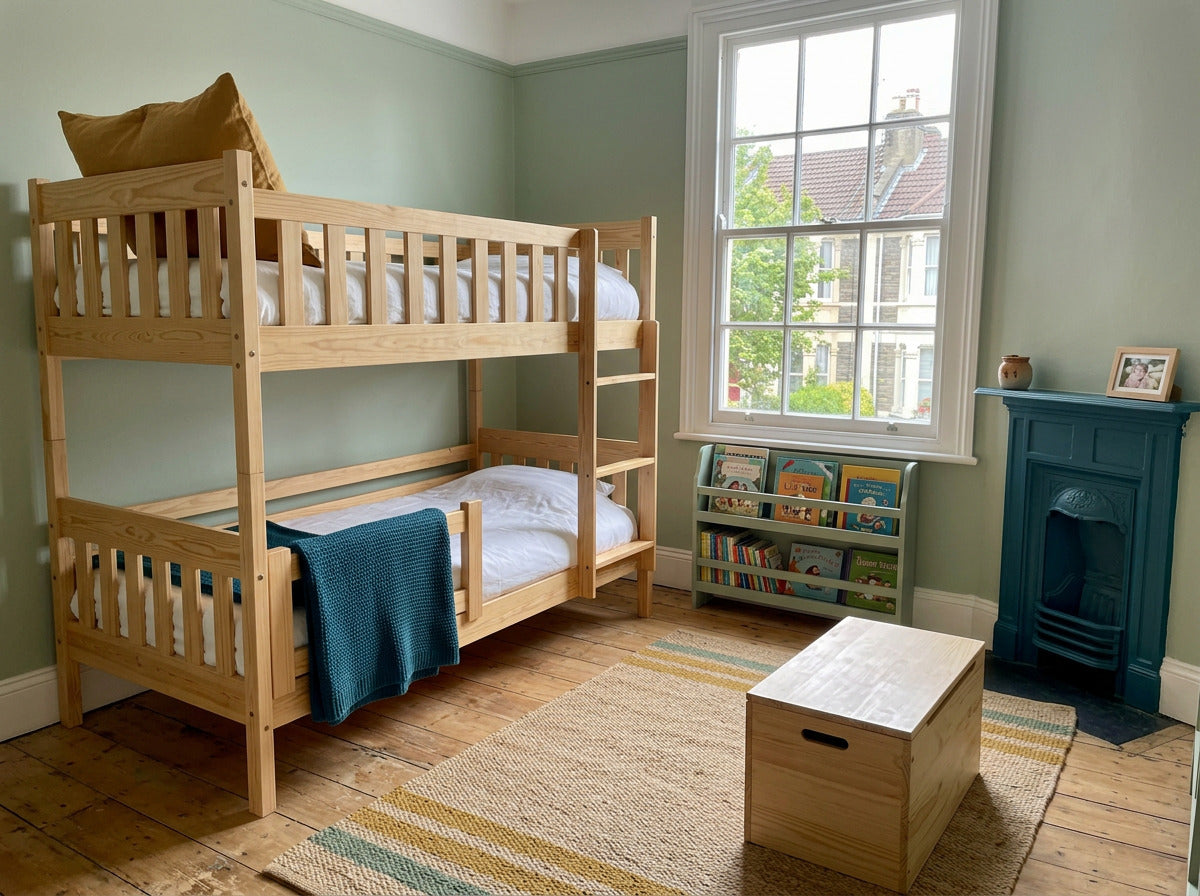
Bunk Beds for Kids – Age, Weight Limits and Safety Explained
A bunk bed is a great way to save space in a room shared by siblings, but it comes with a few safety rules – the child's age, the weight limit, and properly designed guardrails. Here's the age it's recommended from, and how much weight the top and bottom bunks are built to hold.
Read moreabout Bunk Beds for Kids – Age, Weight Limits and Safety Explained


Share:
Matratzen für Allergiker – welche sollte man wählen, um ruhig schlafen zu können?
Matratzen für Allergiker – welche sollte man wählen, um ruhig schlafen zu können?