


- by Daniel Pawlik
How to make a room appear bigger
- by Daniel Pawlik
A small room doesn't necessarily have to feel cramped. With a few proven design tricks, even a studio apartment can be made to feel spacious yet cozy. Visually enlarging a room is an art that combines the psychology of perception with thoughtful design. Here's a practical guide to techniques that will give your space at least a few extra square meters visually.
Light colors form the basis of any interior design. White, cream, and light beige reflect light, creating a sense of openness and freshness. However, this doesn't mean you have to live in a sterile, hospital-like space. The key is to use colors wisely and leverage contrasts.
The 60-30-10 Rule: Use 60% of a light base color, 30% of a mid-tone accent, and 10% of a vibrant color as a detail. This ratio creates a spacious feel while still giving the room character.
A consistent color palette blurs the boundaries between furniture and walls, visually enlarging the space. Pillovely understands this principle, offering furniture in harmonious, warm tones. Bottle green transforms into emerald green with a pearlescent shimmer, while neutral beiges gain a powdery latte undertone – this cohesive color scheme creates the impression of a larger space without sacrificing coziness.
Light is the most effective way to visually enlarge a room. The more light, the larger the room appears. Here's how to use it:
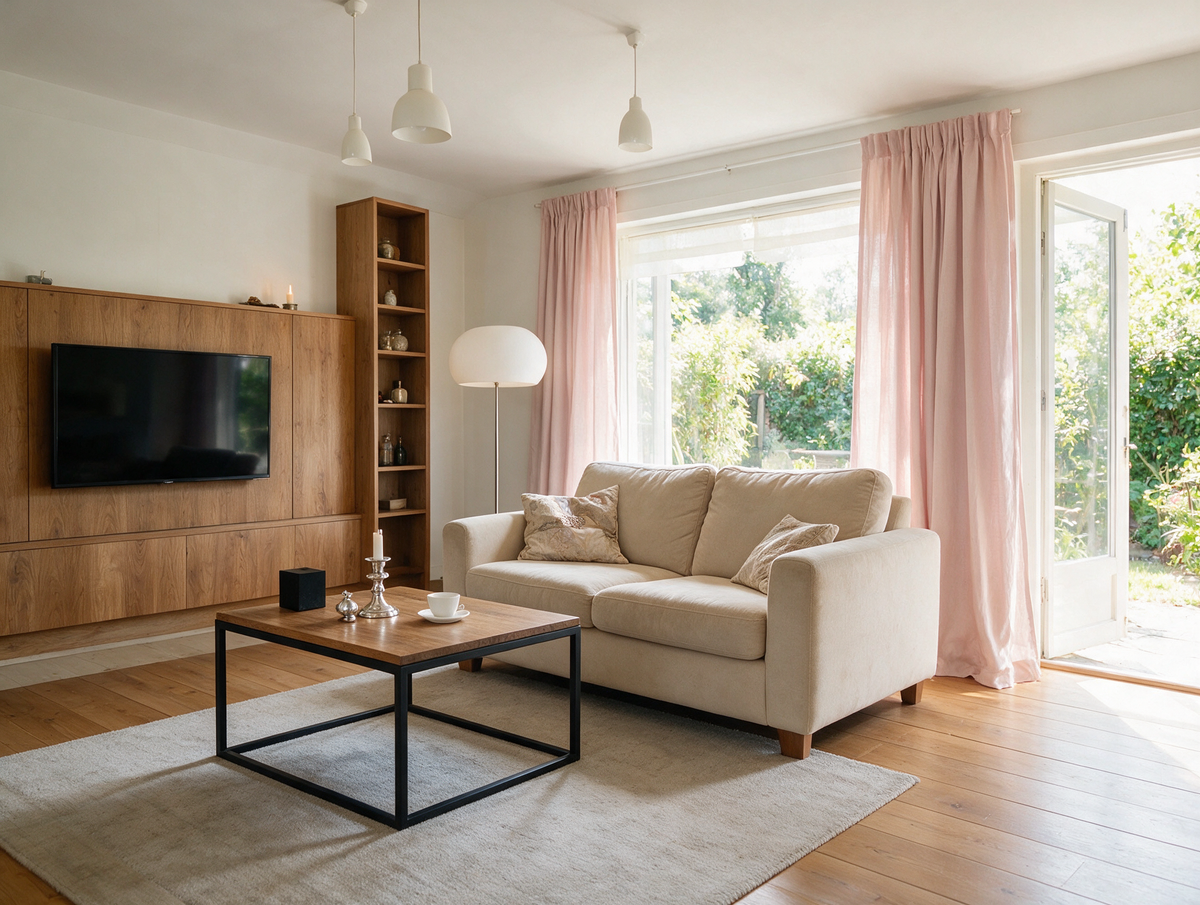
Maximize natural light: Replace heavy curtains with sheer drapes or blinds that don't obscure the windows. If privacy allows, opening the windows completely yields the best results.
Multi-level lighting: Instead of one central lamp, use multiple light sources at different heights. Floor lamps, wall sconces, and hidden lighting add depth and a sense of scale to a room.
Mirrors as light multipliers: Strategically placed mirrors double the amount of light in the room. A large mirror opposite a window not only reflects the outdoor landscape but also creates the illusion of an additional window and a second room.

The choice and arrangement of furniture greatly impact the perception of room size. Here are the golden rules:
Furniture with legs allows the eye to travel freely underneath, making the floor appear larger and the entire space more expansive. Pillovely sofas combine modern aesthetics with a touch of nostalgia, offering models with elegant legs that don't overcrowd small spaces.
Proportions and size: One larger piece of furniture often works better than several smaller ones. A corner sofa becomes the natural focal point of living, replacing a traditional sofa and armchairs. It saves space and creates a cohesive relaxation area.
Multi-functionality: Pillovely chests of drawers were created for those who value order as much as the warmth of home. We combine artisanal tradition with modern design, creating furniture that not only provides storage but also adorns the interior. Dual-purpose furniture is an investment in space – a chest of drawers can serve as a TV stand while storing personal items.
Utilizing the height of a room is an often-underestimated strategy for space expansion.
Shelves at ceiling height: Tall shelves draw the eye upwards, creating the illusion of a higher room. Even if the top shelves are difficult to reach, their presence visually elevates the ceiling.
Vertical lines in decoration: Long curtains from ceiling to floor, tall potted plants, or vertical paintings – all these make the room appear taller.
Hanging cabinets instead of standing ones: Nirvana TV cabinet from Pillovely is an example of furniture that can be hung on the wall, freeing up floor space and creating an impression of lightness.

Order and minimalism are the foundation of spacious interiors. Every unnecessary item visually "eats up" space.
Hidden storage : Pillovely chests of drawers not only offer storage but also adorn the interior with their timeless lines and subtle nostalgia. Choosing furniture with closed storage compartments allows you to hide everyday items while maintaining the clean lines of the space.
The principle of a central focal point: Every room should have a central focal point around which the rest of the decor is arranged. This can be a sofa that invites cozy seating and creates a homely atmosphere from the first touch, or an elegant chest of drawers that serves as central storage.
A variety of textures adds depth to an interior, but in small rooms, moderation is key.
Smooth surfaces reflect light better than rough ones, helping to visually enlarge a room. Glossy furniture fronts, smooth upholstery fabrics, and glazed ceramic surfaces contribute to the impression of spaciousness.
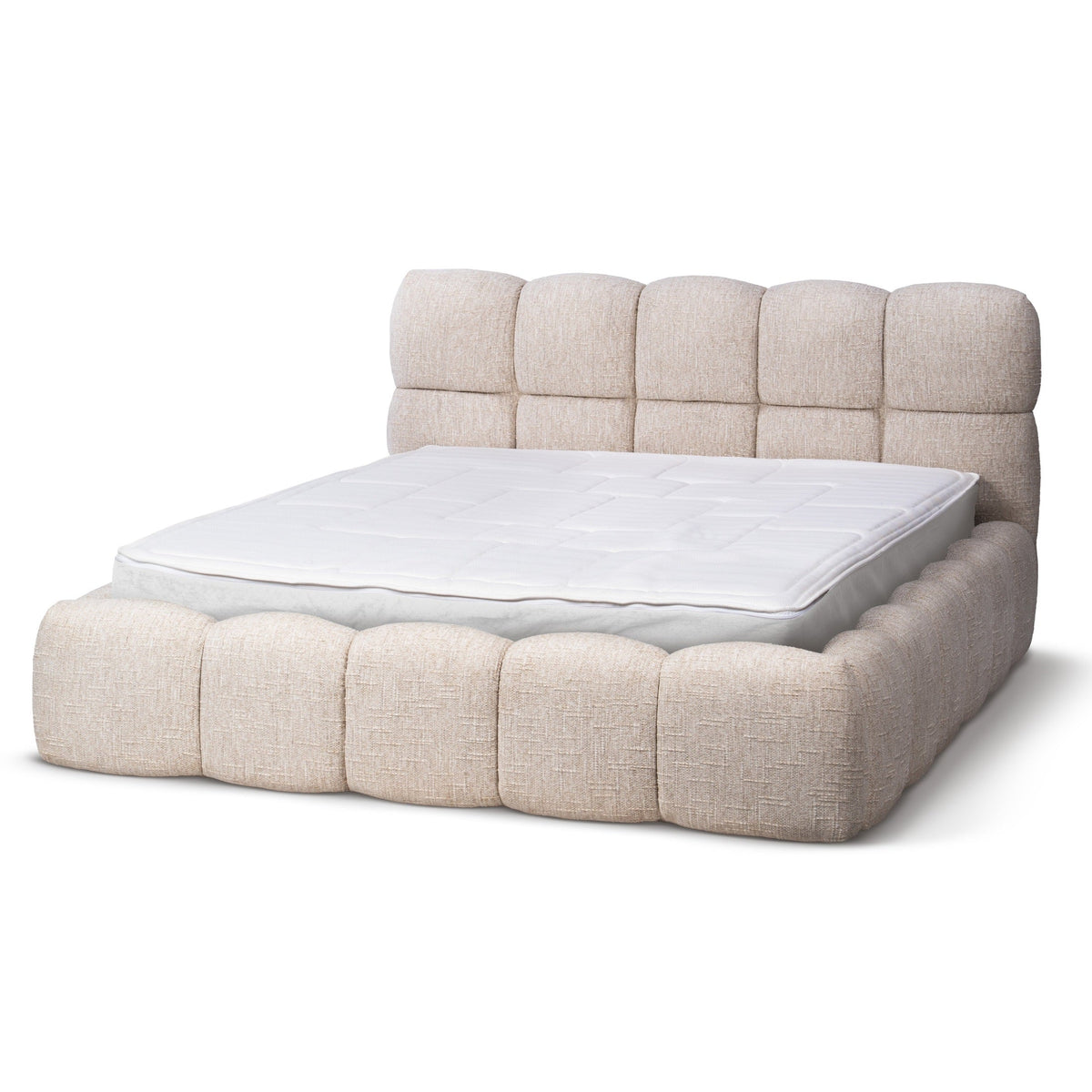
Solid-colored upholstery fabrics: Upholstered beds were created for everyone who wants to wake up refreshed and surrounded by the warmth of home. Choosing upholstered furniture in solid, light colors helps avoid visually overcrowding the room.

The way you move around a room influences the perception of its size. Clear pathways make a room feel larger.
The triangle rule: The main functions of a room (e.g., sleeping, working, relaxing) should form a triangle with easily accessible sides. This is a classic furnishing principle that works well even in small rooms.
Furniture against the walls: Keeping the center of the room clear creates a natural "movement hub" and makes the room appear more spacious. Armchairs and ottomans can be placed in corners, creating cozy nooks without blocking the main space.
Sometimes, it's the smallest details that determine the final impression of spaciousness.
Uniform flooring: If possible, use uniform flooring throughout the entire apartment. The absence of thresholds and different materials helps the space flow seamlessly and appear larger.
Transparent elements: Glass tables, plastic chairs, and decorative acrylic elements take up physical space but not visual space. They are a clever way to add functionality without overcrowding the room.
The "one style" principle: Matching decorative cushions, lamps, and side tables create a complete set that you can bring into your home without a long search for "something suitable." Stylistic consistency makes the interior feel well-thought-out and harmonious, which enhances the impression of space.
Visually enlarging a room is achieved through a combination of thoughtful color choices, intelligent lighting, appropriate furniture selection, and a love for order. This turns your interior into a true style laboratory, where boldness meets homely warmth.
Remember: the most important thing is to maintain a balance between functionality and aesthetics. A small interior can be just as comfortable and stylish as a large one – it simply requires more precision in planning and care in selecting each element. At Pillovely, we believe that furniture is more than just an object; it's a memory of your first morning in your own home, a nostalgic melody of silence that soothes after a long day. With the right approach, any room can become a place that not only feels bigger but also brings joy every day.
Loveseat - What Is It, Who Is It For and How to Choose the Right One?
A loveseat is one of those pieces of furniture that can completely change how a room works. It is smaller than a classic sofa, more generous than a single armchair and often easier to place in compact interiors. A loveseat can create a cosy sitting area in a small living room, soften a bedroom corner, complete a reading nook or work as an additional seat next to a larger sofa. Its strength lies in proportion: it gives you the feeling of a sofa without taking over the whole room.
Read moreabout Loveseat - What Is It, Who Is It For and How to Choose the Right One?
EU vs UK Bed Sizes – Will UK Bedding Fit a European Bed?
European beds are 200 cm long, UK beds 191 or 198 cm. A simple EU vs UK bed size table in cm – and what it means for your mattress and fitted sheets.
Read moreabout EU vs UK Bed Sizes – Will UK Bedding Fit a European Bed?
Autumn colors at home – shades that bring peace and warmth
Do you remember autumn from your childhood, when the leaves changed color like a kaleidoscope, and your mom would pull out the pumpkin-colored sweater she'd worn since college? Or those evenings in front of the TV while a storm raged outside, and the lamplight in the house gave everything a warm, amber hue? Those were the days when no one talked about "color palettes" or "color stories"—colors simply existed, as natural as breathing. Today, when we can choose from 50 shades of gray (and no, I'm not talking about THAT book), we sometimes lose track of what truly makes a home feel cozy. At Pillovely, we believe that autumn colors aren't a trend—they're a return to what makes us feel safe. Because "You are someone"—someone who deserves a space filled with colors that snuggle like a grandma's blanket.
Read moreabout Autumn colors at home – shades that bring peace and warmth



Share:
Grandpa Core – When Grandfathers Become Style Icons
Furniture restoration from the Polish People's Republic era – how to bring Grandma's treasures back to life