


- by Daniel Pawlik
How to Clean a Mattress – The Complete Guide to Stains, Odours and Dust Mites
- by Daniel Pawlik
You spend roughly a third of your life lying on it, and yet the mattress is usually the last thing in the bedroom anyone thinks to clean. The duvet gets washed, the pillowcases get changed weekly, the throw gets shaken out on the balcony — and underneath it all, the mattress just quietly absorbs everything: sweat, spilled tea, the occasional midnight snack in bed, years of ordinary human sleep. None of that is a design flaw. It just means a mattress needs its own kind of care, separate from the sheets that sit on top of it.
The good news is that cleaning a mattress properly doesn't require anything exotic — mostly patience, a vacuum, and a box of baking soda. Here's how to do it properly, from a quick weekly freshen-up to tackling a stubborn stain.
Most mattress cleaning at home comes down to the same simple sequence, whether it's a monthly routine or the first proper clean a mattress has had in years.
Strip everything back. Remove the sheets, mattress protector and any topper, and wash them according to their care labels — ideally on the hottest setting the fabric allows, which also helps deal with dust mites at the source.
Vacuum thoroughly. Using the upholstery attachment, go over the entire surface in slow, overlapping passes, paying particular attention to seams, piping and the mattress edges, where dust and skin cells tend to collect.
Sprinkle with baking soda. This is the step most people ask about when they search for how to clean a mattress with baking soda — and for good reason. Baking soda is genuinely effective at drawing out moisture and neutralising odours. Dust an even layer across the whole surface.
Let it sit. Give the baking soda at least 30 minutes to work — a few hours, or even overnight, is better if you have the time and an open window to help air the room.
Vacuum again. A second, thorough vacuum lifts the baking soda back out along with whatever it's absorbed, leaving the mattress noticeably fresher.
Air it out before remaking the bed. If weather allows, open the windows and let the mattress breathe for an hour before putting sheets back on — trapped humidity is one of the main things that lets odours and dust mites build up again quickly.
This full routine takes an afternoon, but a lighter version — vacuum plus a light dusting of baking soda — is worth doing every couple of months even without a specific problem to solve.

Stains happen, and how you treat them in the first few minutes matters more than the product you eventually reach for. The golden rule of cleaning a mattress stain: blot, don't rub. Rubbing pushes the stain deeper into the padding and spreads it sideways, which is how a small mark becomes a large one.
For fresh spills of any kind — coffee, wine, juice — blot immediately with a clean, dry cloth to lift as much liquid as possible before it soaks in.
For sweat and general yellowing, a solution of one part hydrogen peroxide to two parts cold water, dabbed on with a cloth and left to sit for ten minutes before blotting dry, lifts most everyday discolouration without damaging the fabric.
For blood stains, always use cold water — hot water sets the protein in blood and makes the stain far harder to shift. Dab the area with a cloth dampened in cold water, working from the outside of the stain inward, and repeat until it lifts.
For urine, particularly on a child's or pet's mattress, a mix of one part white vinegar to one part cold water helps neutralise both the stain and the smell, followed by a baking soda treatment once the area has fully dried.
A few things to avoid: never soak a mattress with liquid, since excess moisture is exactly what encourages mould and mildew inside the padding, and always test any cleaning solution on a small hidden area first — the underside near a corner works well — before treating a visible stain.
Dust mites are the less visible reason a mattress needs regular attention. They're microscopic, they feed on shed skin cells, and every mattress accumulates them over time — it's simply part of ordinary use, not a sign anything's gone wrong. For anyone with allergies or sensitive skin, though, keeping their numbers down makes a real difference to how a bedroom feels.
Wash bedding on a hot cycle weekly. Most dust mites live in sheets and pillowcases rather than deep in the mattress itself, so this single habit does more than almost anything else.
Use a mattress protector. A washable, breathable protector creates a barrier that keeps mites, sweat and spills from reaching the mattress at all — genuinely one of the most effective tools for long-term mattress cleaning, since it turns most future stains into a simple wash rather than a treatment project.
Steam, if you have access to a steamer. The heat kills dust mites on contact without soaking the mattress, and works well as an occasional deep-clean step alongside vacuuming.
Keep the bedroom ventilated. Dust mites thrive in warm, humid conditions, so opening a window regularly and airing the mattress when you strip the bed keeps the environment less hospitable to them.
Sunlight helps, briefly. If you can prop the mattress against a wall in direct sun for an hour or two, UV light and fresh air both help reduce mites and lingering odours — just avoid extended direct sun exposure, which can affect some fabrics over time.

A mattress rewards a little routine attention with years of extra comfortable life, and the schedule is simpler than most people expect.
Vacuum monthly, or more often in a household with pets, allergies or young children.
Deep clean with baking soda every three to six months, or immediately after any spill or stain.
Wash the mattress protector every one to two weeks, alongside your regular bedding.
Rotate the mattress every three months. Turning it end to end (and flipping it too, if the model allows) spreads out the wear evenly, so no single area — usually where you sleep most — compresses faster than the rest.
Check for a fresh mattress protector every couple of years, since even a well cared-for one eventually loses some of its protective coating.
None of this needs to feel like a chore. Think of it the way you'd think of changing the oil in a car you actually love driving — a small, regular habit that quietly protects something you rely on every single night.
A clean mattress isn't really about appearances — it's about the quality of the sleep you get on it, night after night. Pair a good cleaning routine with the right mattress in the first place, and both the comfort and the lifespan take care of themselves. Explore the full range of mattresses and upholstered beds at Pillovely to find a base that's worth taking proper care of.
More bedroom guides and inspiration are waiting at Pillovely — furniture and small rituals designed for genuinely good sleep.
Console Table Ideas – Where to Use One and How to Style It
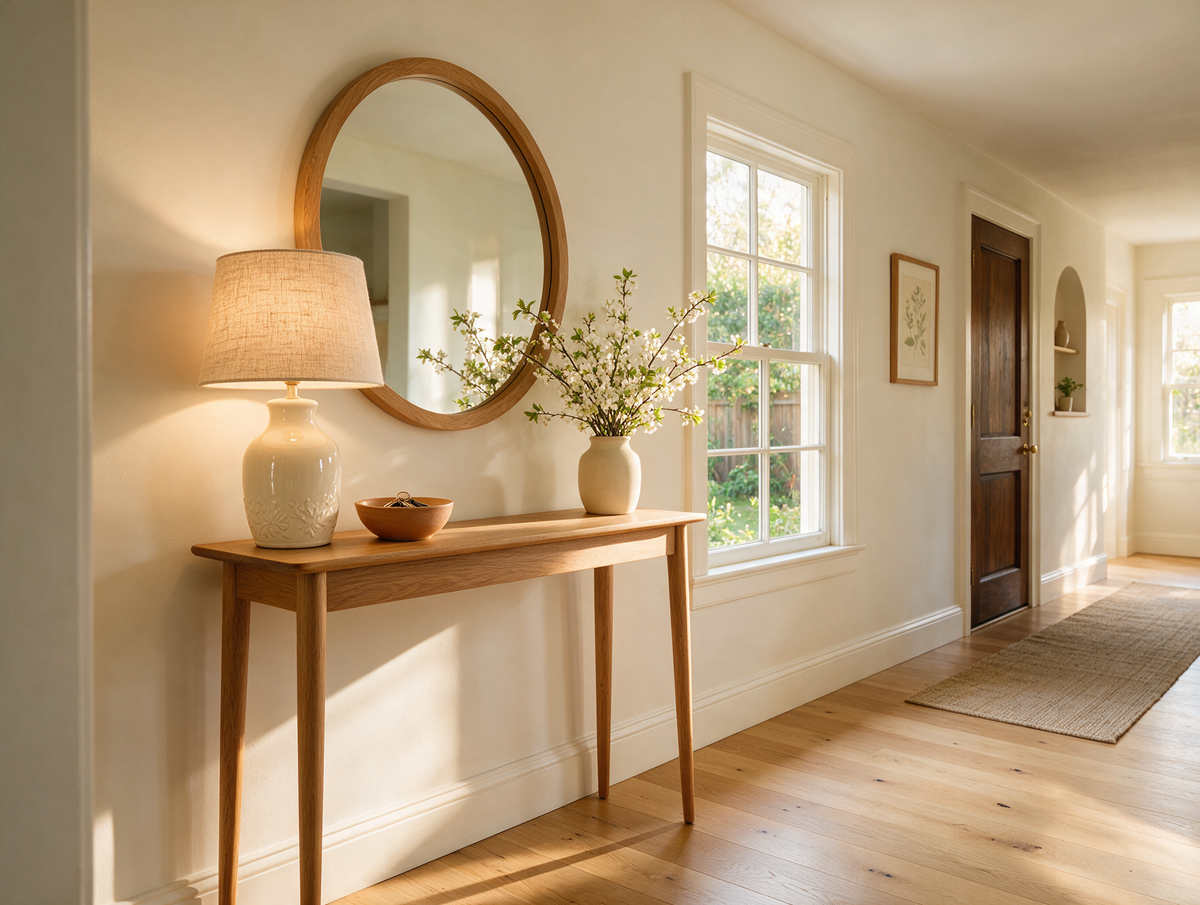
Do you remember coming home from school and dropping everything on the little table by the front door? Keys in the china dish, letters propped against the lamp, a vase of whatever was flowering in the garden and the old telephone with its curly cord. It was the first thing you saw when you walked in, and somehow it always said: you are home.
Read moreabout Console Table Ideas – Where to Use One and How to Style It
Nest of Tables – What Are They, Who Are They For and How to Style Them
Do you remember Sunday visits to your nan's, when the nest of tables came out from beside the armchair? Three little tables, each tucked neatly under the next, were pulled apart and handed round – one for the teapot, one for the biscuit tin and one for Grandad's crossword – and then slid back together the moment everyone went home.
Read moreabout Nest of Tables – What Are They, Who Are They For and How to Style Them
Bookcase Ideas – How to Choose and Style a Bookshelf for Your Living Room
Do you remember the bookcase in your grandparents' front room? Rows of faded paperbacks, a set of encyclopaedias nobody ever finished, holiday souvenirs, a framed school photo and that one heavy atlas you pulled out on rainy afternoons. It was never styled for anyone – and yet it told the whole story of the family.
Read moreabout Bookcase Ideas – How to Choose and Style a Bookshelf for Your Living Room





Share:
Glam Interior Design – Glamour Living Room and Bedroom Ideas
Bedside Table Ideas – How to Choose and Style the Perfect Nightstand for Your Bedroom