


- by Daniel Pawlik
How to divide a shared kids' room – smart design ideas for peace and personal space
- by Daniel Pawlik
Remember those evenings when you and your siblings built pillow forts? Or when each of you fought for your space, hanging a blanket as a boundary between "mine" and "your" side? Sharing a room isn't just a logistical challenge—it's the first lessons in compromise, respect, and... diplomacy at the highest level.
Today, as parents, you face a similar challenge. Only this time, you have to create a space that accommodates two different worlds – an older teenager in love with vintage and a younger girl dreaming of a pink kingdom. Or two siblings of completely different ages, with different needs and tastes.
Every room has its own story. I remember the room I shared with my sister – half aqua blue, half shades of purple. Now, looking back, I see something beautiful in that. Those walls told the story of two girls learning to live side by side, sometimes in harmony, sometimes in conflict, but always together.
Today, we can create something similarly valuable for our children. A siblings' room isn't a battle for dominance of one style—it's a space where two personalities learn to coexist.
Let's start with the basics. The sleep zone is every child's sacred space. Personalization is key here – each child needs their own little kingdom. An upholstered bed can be the element that allows for individuality. Choose the same models, but in different colors – it's a simple way to create harmony while respecting individuality.
For an older child, it might be a bed in a muted beige or deep green, while for a younger child, it might be their favorite shade of pink or blue. And if space is limited, a bunk bed is not only practical—it's also an adventure children will tell their friends about.
This is where the real magic begins. Remember band posters on the walls, CD collections, notebooks adorned with stickers? These were our first attempts at self-expression. Today, we can give our children something more.
Beanbags and seats are the perfect solution – mobile, colorful, and personal. Every child can have their own beanbag in their favorite color, which they can carry to their chosen location. This is their territory, their little throne in a shared kingdom.
Table or desk? Flexibility is key here. Upholstered benches can serve as additional seating at a shared table, while also expressing individuality – each child has their own bench, their own color, and their own space.

Every child needs their own quiet zone. A place where they can focus, think, and dream. This doesn't necessarily have to be a separate desk—sometimes a cozy nook with a comfortable seat and a small bookshelf will suffice.
An older child might need a space to study, a younger one to play. But are these needs truly mutually exclusive? A shared table can be used for homework in the morning and transformed into a block fort in the afternoon. It's all about organizing the space—and teaching children to respect each other's needs.
Beiges, delicate greens, and natural woods—these are colors that never go out of style. They're the foundation on which you can build a space for siblings. Neutral walls and furniture provide a canvas for each child to decorate with their own accents.
The younger ones might add pink pillows, the older ones—posters of their favorite artists. And suddenly, in this diversity, harmony emerges. Just like in life—we are different, yet we create a whole.
I know a family where the children themselves restored their grandmother's old armchair. The older child chose the fabric, the younger painted the legs gold. The armchair now sits in their room as a symbol of shared work and compromise. It's these stories, imprinted in the furniture, that build the bond between siblings.
Don't be afraid to give your children space to create. Mattresses with covers that can be changed, decorative pillows that can be rearranged – these are all tools for building your own space. 
I remember my sister and I negotiating every inch of space. "That's my half!" "You can't come in here!" Today, I see something beautiful in that – we learned diplomacy, compromise, and respect for each other's boundaries. These are lessons that have paid off in our adult lives.
A siblings' room is a laboratory of social life. It's a place where children learn that the world doesn't revolve solely around them. That sometimes they have to give in, sometimes they have to stand their ground, but always with respect for the other person.
At Pillovely, we believe that every room tells a story. The story of a sibling's room is a tale of growing up, compromise, first conflicts, and the deepest bonds. It's a space that shapes relationships for years to come.
There's no single, universal recipe for the perfect sibling room. Instead, your family history, your needs, and your children's personalities are key. We can only provide you with tools – furniture that will last for years, that will outlast childhood paintings, bedtimes, and late-night conversations.
Because ultimately, it's not about perfectly coordinated colors or the latest trends. It's about creating a space where your children feel safe. Where they can be themselves, together and apart. Where they learn that diversity is a treasure, not a problem.
You are someone. You are valuable. And your children are too.
Together, create a space that will speak volumes about them. One that, twenty years from now, will evoke nostalgic smiles and warm memories. Because home isn't just about furniture—it's about the emotions that live within it.
Pillovely – the love of home warmth. For those who want more.
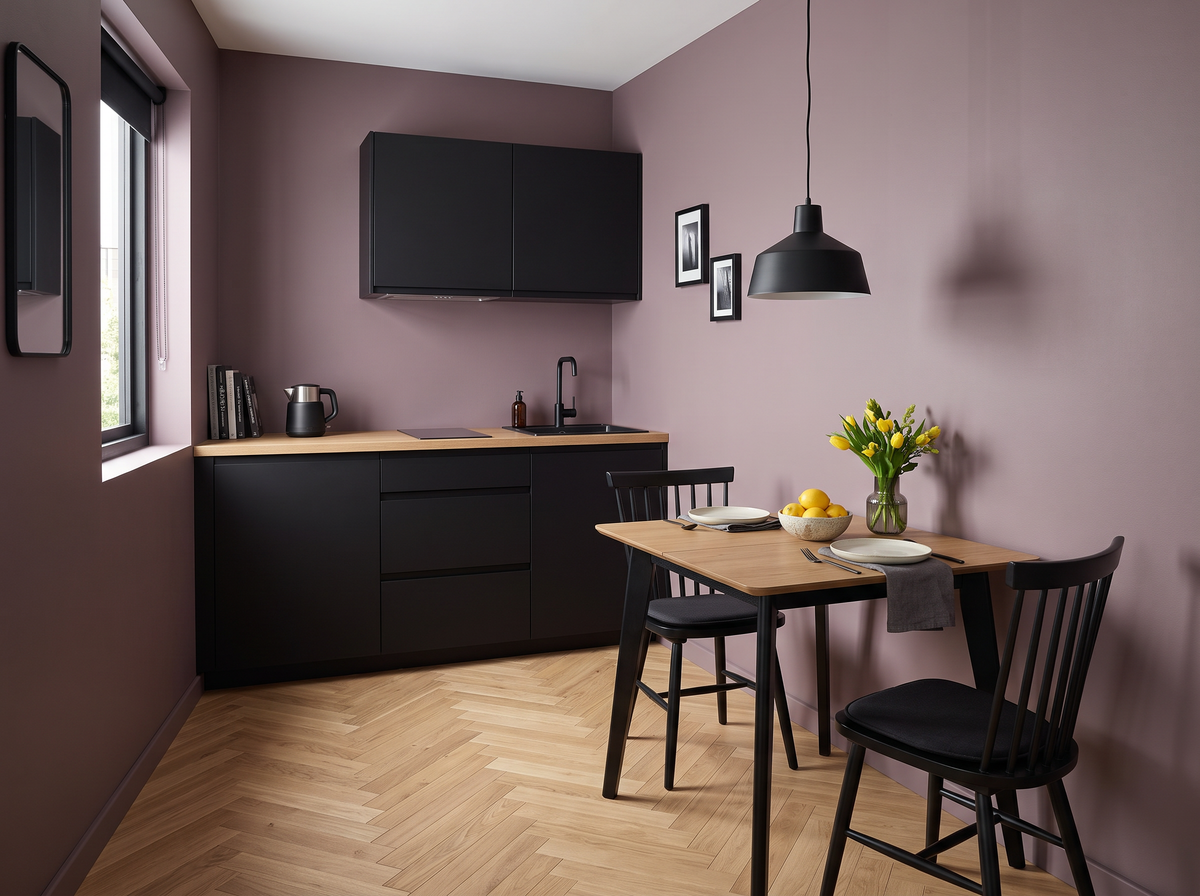
Small Dining Table Ideas: Tables That Work in Compact Rooms
Do you remember the fold-out table that lived against the wall in a childhood flat, pulled out only for Sunday dinner and pushed straight back afterwards so there was still room to walk to the kitchen?
Read moreabout Small Dining Table Ideas: Tables That Work in Compact Rooms
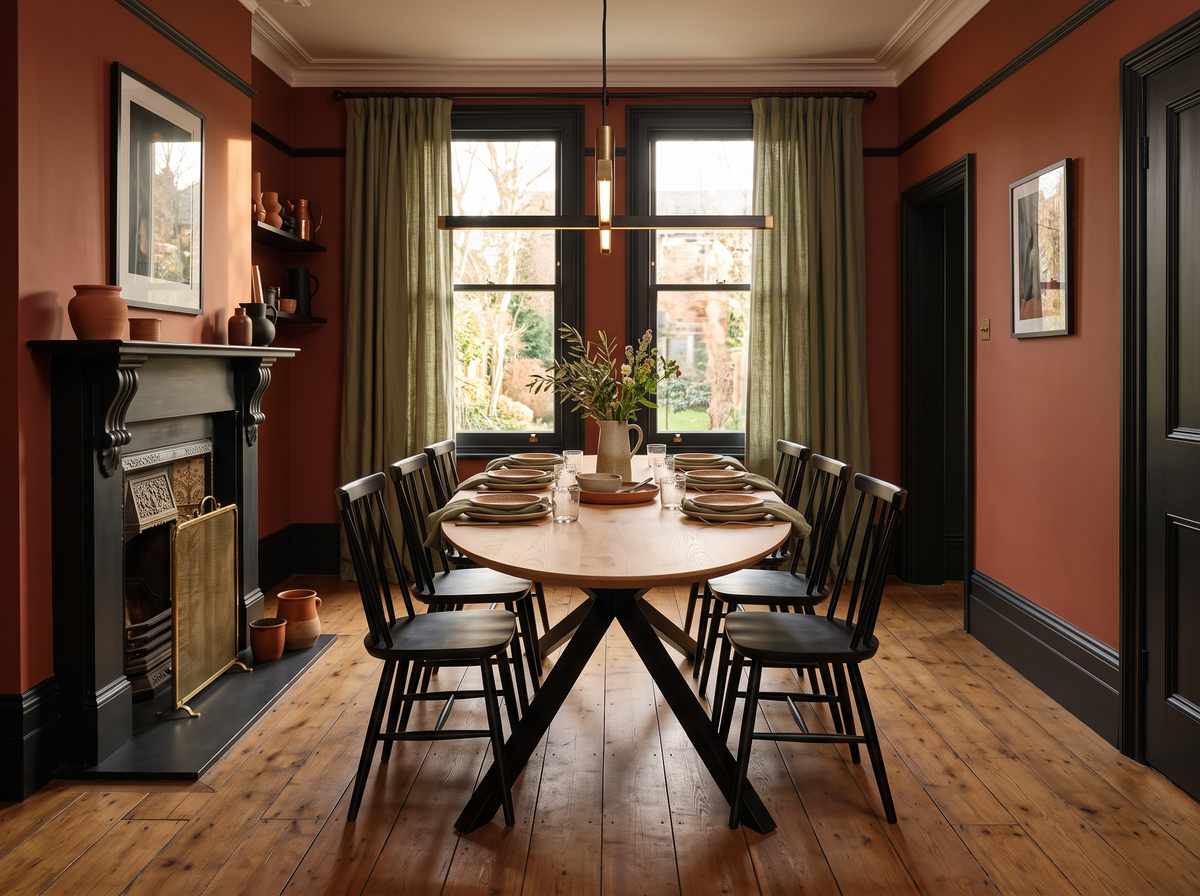
Round vs Rectangular vs Oval Dining Table: Which Shape Fits Your Room?
Do you remember the heavy, round table at your grandparents' house, the one with just enough wobble in one leg that everyone knew to avoid, yet somehow it always sat exactly the right number of people, no matter who turned up?
Read moreabout Round vs Rectangular vs Oval Dining Table: Which Shape Fits Your Room?
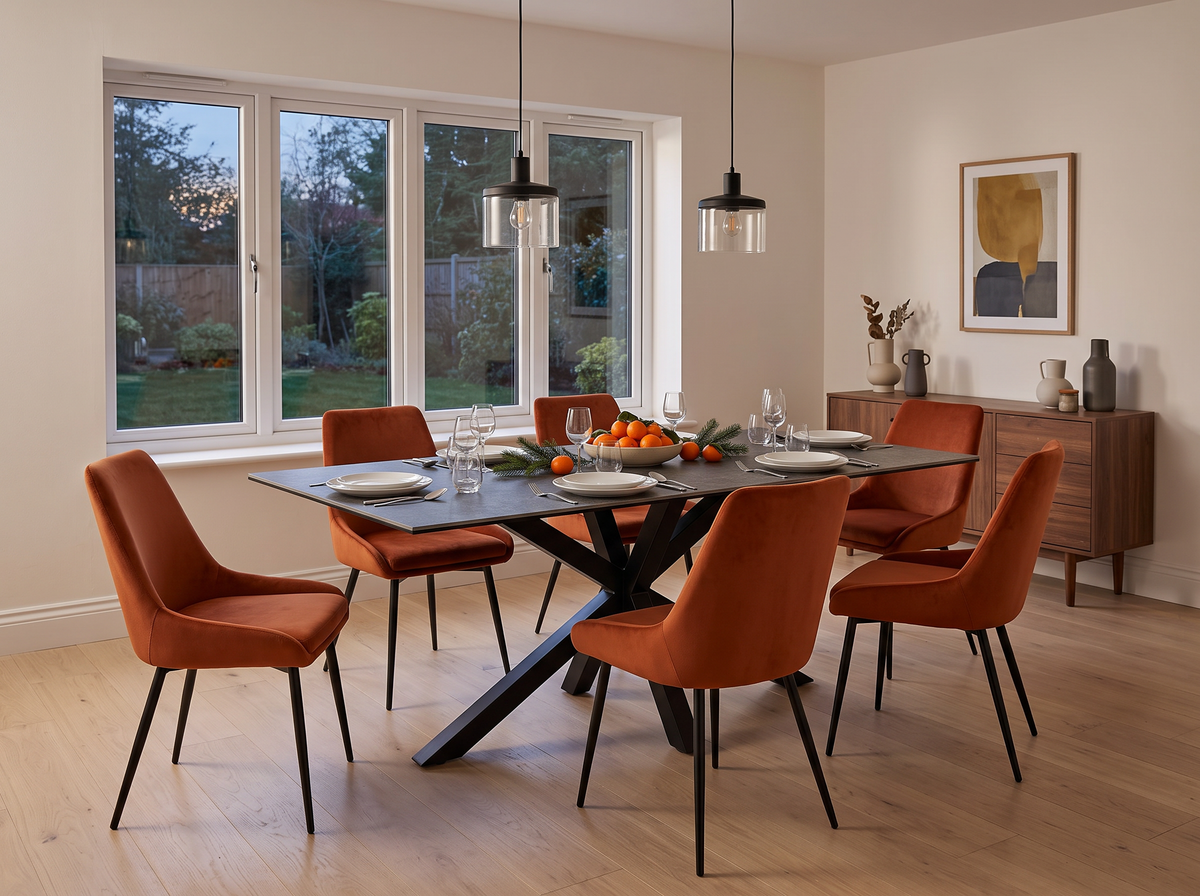
Dining Table Size Guide: How Many People Does a Table Seat?
Do you remember standing in a furniture shop as a child, watching your parents argue good-naturedly over whether "this one" would actually fit the dining room, while you quietly counted how many cousins could squeeze around it at Christmas?
Read moreabout Dining Table Size Guide: How Many People Does a Table Seat?


Share:
What does transitional style mean – a bridge connecting timeless elegance and contemporary simplicity
How to clean vintage Christmas ornaments – restoring grandma’s baubles