


- by Daniel Pawlik
Loveseat - What Is It, Who Is It For and How to Choose the Right One?
- by Daniel Pawlik
A loveseat is one of those pieces of furniture that can completely change how a room works. It is smaller than a classic sofa, more generous than a single armchair and often easier to place in compact interiors. A loveseat can create a cosy sitting area in a small living room, soften a bedroom corner, complete a reading nook or work as an additional seat next to a larger sofa. Its strength lies in proportion: it gives you the feeling of a sofa without taking over the whole room.
If you are looking for a seat that feels comfortable, compact and visually light, a loveseat may be exactly the right choice. It is especially useful in homes where every metre matters, but comfort still counts. On Pillovely, you can find seating options that help create a balanced interior, from compact sofas to armchairs and upholstered pieces designed for everyday relaxation.
A loveseat is a compact upholstered seat designed for one or two people. It is often called a love seat, 2 seater loveseat or small sofa, depending on its shape and size. Compared with a standard sofa, it is usually shorter, lighter and easier to fit into smaller spaces. Compared with an armchair, it offers more room, allowing one person to sit more freely or two people to sit close together.
The main difference between a loveseat vs sofa is scale. A full-size sofa usually seats three or more people and becomes the main piece of furniture in a living room. A loveseat sofa is more compact and flexible. It can stand on its own in a small room or work as an extra seating element in a larger arrangement. This makes it useful in apartments, guest rooms, bedrooms, reading corners and open-plan spaces where a large sofa would feel too heavy.
A loveseat also differs from an armchair in function. An armchair is typically personal seating, designed for one person. A loveseat gives more freedom: you can sit with a book, curl up with a blanket, share the seat with someone else or use it as a relaxed accent piece. If you like the comfort of a sofa but do not have enough space for a large model, a loveseat can be a practical middle ground.
In many interiors, a compact model from the sofas, corner sofas and armchairs category can work like a loveseat, especially if it has a smaller width, soft upholstery and a light visual form. A good example is the Nellia 2-seater sofa, which is designed for smaller spaces while still offering the comfort of an upholstered seat.
Who Is a Loveseat For - Small Living Rooms, Bedrooms or Reading Corners?
A loveseat for small spaces is ideal for anyone who wants comfort without overwhelming the room. In a small living room, it can replace a larger sofa and leave more space for a coffee table, sideboard, rug or passage around the furniture. This is especially helpful in apartments where the living area also needs to function as a dining space, home office or guest area.
A small loveseat can also work beautifully in a bedroom. Placed near a window, at the foot of the bed or in an unused corner, it creates a quiet place to read, put on shoes or rest for a moment during the day. In a bedroom, the loveseat should not compete with the bed. A simple shape, soft fabric and calm colour will help it blend naturally with the rest of the room.
Reading corners are another perfect place for a loveseat. While an armchair creates a solo seat, a loveseat gives more freedom to change position. You can sit sideways, add cushions, place a throw over the backrest or use it with a small side table and floor lamp. If you are creating this type of corner, the armchairs and pouffes category can also be useful, especially when you want to combine a loveseat with an additional seat or footrest.
A loveseat is also a good option for guest rooms, teen rooms and open-plan interiors. It can define a small zone without building a heavy furniture layout. If you often rearrange your home, a compact upholstered seat is easier to move than a large sofa. That flexibility makes it a smart choice for interiors that change with your lifestyle.
For more ideas on arranging compact spaces, the related article Sofas for Small Living Rooms is a helpful reference. Many of the same rules apply to loveseats: choose the right scale, keep the layout open and avoid furniture that blocks movement through the room.

The right loveseat size depends on the room and the way you want to use it. A typical 2 seater loveseat should be wide enough for two people to sit comfortably, but not so wide that it becomes a full-size sofa. For very small interiors, it is worth choosing a model with slim arms, raised legs or a simple base. These details make the seat look lighter and help the room feel more open.
Seat depth is just as important as width. A shallow loveseat is good for conversation, hallways or formal corners, while a deeper one is better for lounging, reading and relaxing. If you want to curl up with a book, choose a seat that gives enough depth for a comfortable position. If the loveseat will be used mainly for guests, a more upright backrest may be more practical.
Fabric matters because a loveseat is often used daily. An upholstered loveseat should be pleasant to the touch but also durable enough for regular sitting. Textured fabrics can hide small signs of use better than very smooth materials. Boucle, woven fabrics, corduroy-style upholstery or soft structured textiles can add depth without needing strong colours. If you have children, pets or a busy home, easy-care upholstery is especially important.
Colour should support the room rather than dominate it. In small spaces, beige, cream, grey, soft brown, olive, muted green or dusty rose can work well. A darker loveseat can look elegant, but it needs enough light around it. If you want the seat to become a stronger accent, use cushions, a throw or a rug to connect it with the rest of the interior.
A loveseat should also match the practical rhythm of the home. If it will be used every day, comfort is more important than a decorative shape. If it is mainly an accent piece in a bedroom or reading corner, you can choose a more sculptural form or a richer fabric. A compact upholstered model such as the Lento sofa bed can be useful when the room also needs an occasional sleeping function.
A loveseat can stand alone, but it also works well with a larger sofa. The key is balance. If the main sofa is large and simple, the loveseat can be softer, more rounded or slightly more decorative. If the sofa already has a strong shape or colour, the loveseat should be calmer. The two pieces do not need to match perfectly, but they should share at least one element: colour temperature, fabric texture, leg shape, height or overall style.
When pairing a loveseat with a larger sofa, think about the conversation layout. The loveseat can sit opposite the sofa, at a right angle or slightly angled near a window. It should support the seating area, not block the room. In a narrow living room, a loveseat placed across from a sofa can create a cosy layout without the heaviness of two full-size sofas.
A rug can help connect the loveseat with the rest of the seating zone. Ideally, at least the front legs of the loveseat and sofa should sit on or near the rug, so the arrangement feels intentional. A coffee table or side table between the pieces gives the layout a practical centre. Add cushions in related colours, but avoid too many patterns if the room is small.
A loveseat can also soften a modern interior. In minimalist rooms, upholstered seating adds warmth and comfort. In vintage-inspired spaces, a loveseat with visible legs, tactile fabric or rounded lines can create a more personal atmosphere. In soft loft interiors, it can balance metal, wood and stronger shapes with a gentler upholstered form.
If you are still comparing different seating names and forms, the related article Settee vs Sofa vs Couch can help clarify the differences. A loveseat sits somewhere between these categories: smaller than a sofa, more generous than an armchair and often more flexible than a classic settee.

A loveseat is a smart choice when you want comfort, flexibility and a lighter furniture layout. It can complete a small living room, create a quiet bedroom corner, add extra seating beside a sofa or become the centre of a reading nook. The best loveseat is not only about size, but also about fabric, shape, seat depth and how naturally it fits your daily routine. Choose a model that gives the room comfort without crowding it, and it will quickly become one of the most used seats in the home.
FAQ - Frequently Asked Questions:
What is a loveseat?
A loveseat is a compact upholstered seat designed for one or two people. It is smaller than a standard sofa, but more spacious than a single armchair.
What is the difference between a loveseat and a sofa?
The main difference is size. A sofa usually seats three or more people and works as the main seating piece, while a loveseat is shorter, lighter and easier to fit into smaller rooms.
Is a loveseat the same as an armchair?
No. An armchair is made for one person, while a loveseat offers more space and can seat one person comfortably or two people close together.
Where does a loveseat work best?
A loveseat works well in small living rooms, bedrooms, reading corners, guest rooms and open-plan spaces. It is useful wherever a full-size sofa would feel too large.
Is a loveseat good for small spaces?
Yes. A small loveseat is a practical choice for compact interiors because it offers sofa-like comfort without taking up as much floor space.
What size should a loveseat be?
A loveseat should be wide enough for two people to sit comfortably, but compact enough to keep the room open. Slim arms, raised legs and a simple shape can make it feel lighter.
What fabric is best for a loveseat?
A good loveseat fabric should be pleasant to the touch and durable for everyday use. Textured upholstery, woven fabrics, boucle or soft structured textiles can be practical and visually warm.
Can a loveseat be placed in a bedroom?
Yes. A loveseat can create a cosy seating area in a bedroom, especially near a window, at the foot of the bed or in an unused corner.
How do you style a loveseat with a larger sofa?
A loveseat can be placed opposite the sofa, at a right angle or slightly angled near a window. It should share at least one element with the sofa, such as colour, fabric texture, leg shape or overall style.
Is a loveseat comfortable for everyday use?
Yes, if it has the right seat depth, supportive backrest and durable upholstery. For daily use, comfort and proportions are more important than a purely decorative shape.
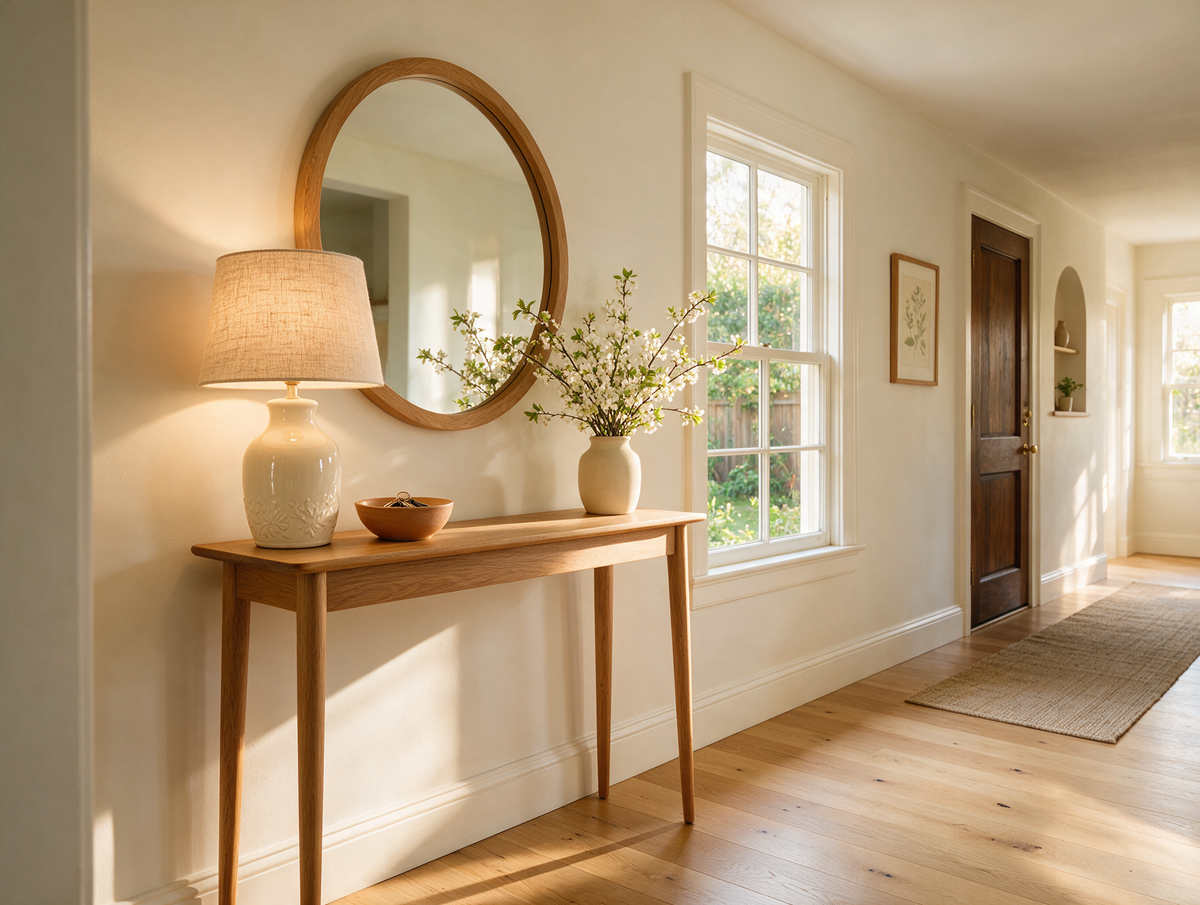
Console Table Ideas – Where to Use One and How to Style It
Do you remember coming home from school and dropping everything on the little table by the front door? Keys in the china dish, letters propped against the lamp, a vase of whatever was flowering in the garden and the old telephone with its curly cord. It was the first thing you saw when you walked in, and somehow it always said: you are home.
Read moreabout Console Table Ideas – Where to Use One and How to Style It
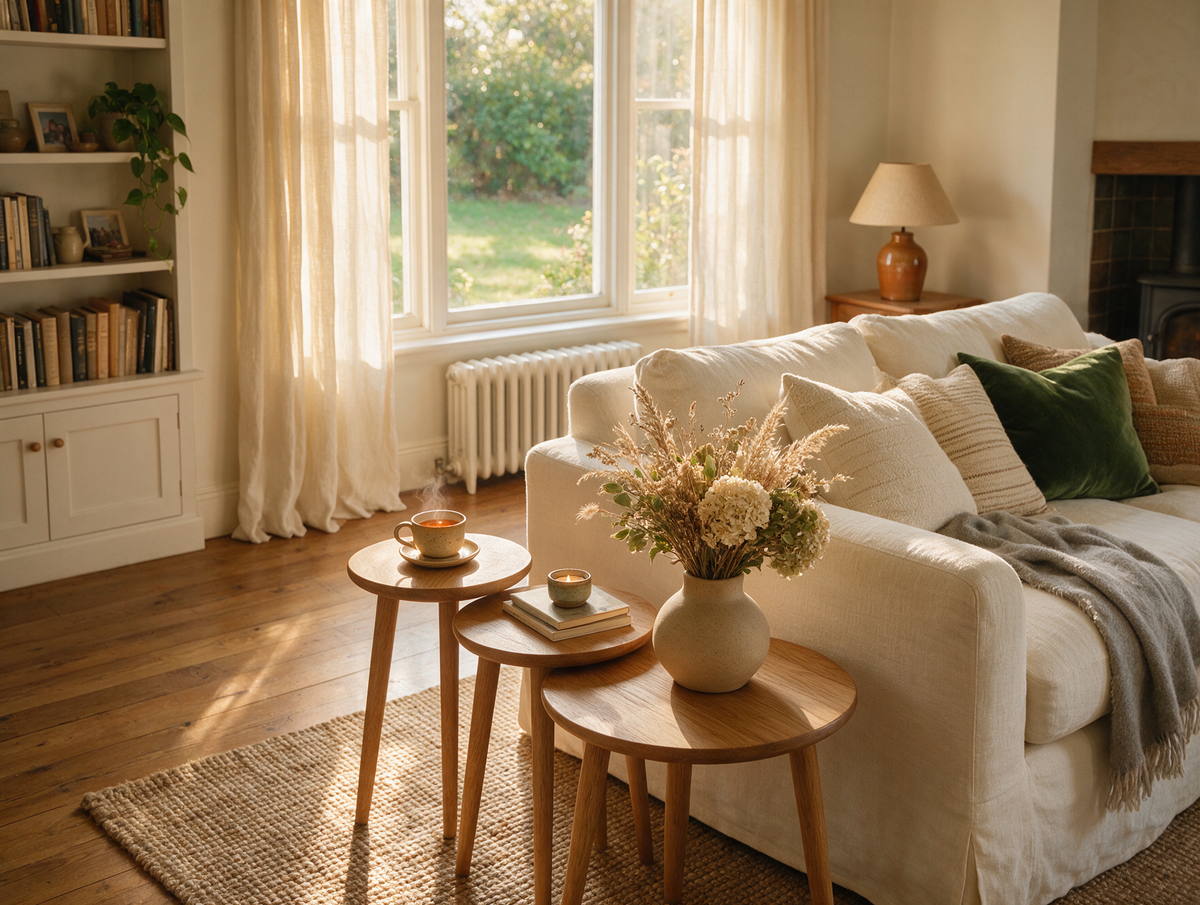
Nest of Tables – What Are They, Who Are They For and How to Style Them
Do you remember Sunday visits to your nan's, when the nest of tables came out from beside the armchair? Three little tables, each tucked neatly under the next, were pulled apart and handed round – one for the teapot, one for the biscuit tin and one for Grandad's crossword – and then slid back together the moment everyone went home.
Read moreabout Nest of Tables – What Are They, Who Are They For and How to Style Them
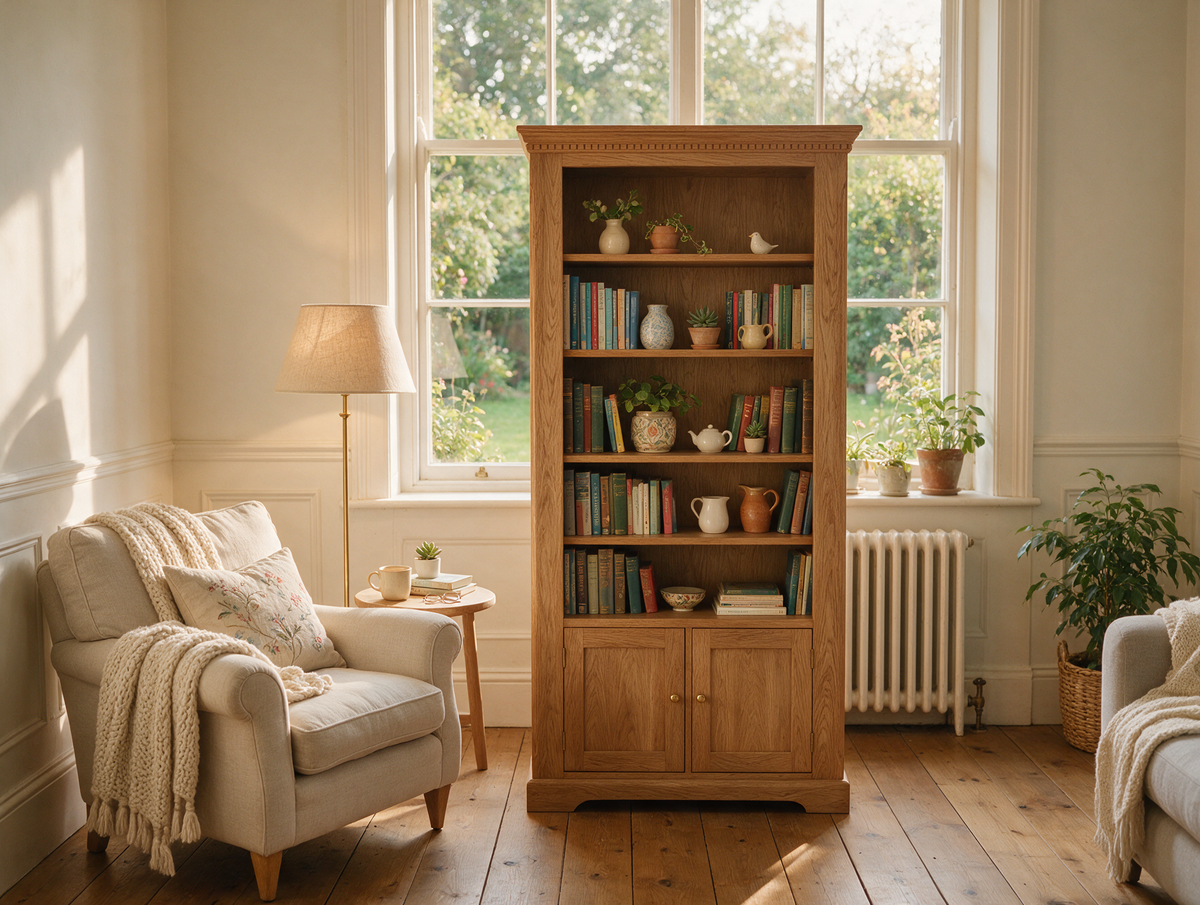
Bookcase Ideas – How to Choose and Style a Bookshelf for Your Living Room
Do you remember the bookcase in your grandparents' front room? Rows of faded paperbacks, a set of encyclopaedias nobody ever finished, holiday souvenirs, a framed school photo and that one heavy atlas you pulled out on rainy afternoons. It was never styled for anyone – and yet it told the whole story of the family.
Read moreabout Bookcase Ideas – How to Choose and Style a Bookshelf for Your Living Room



Share:
EU vs UK Bed Sizes – Will UK Bedding Fit a European Bed?
Mattress Topper - Do You Need One and How to Choose the Right Type?