


- by Daniel Pawlik
Recliner Chair – How to Choose the Most Comfortable One and What to Look For
- by Daniel Pawlik
There's a certain chair in almost every family memory. The one your grandfather claimed after Sunday lunch and no one dared to move him from. The one your father fell into at 7 p.m. still in his work clothes. The one your grandmother read her paperbacks in with the lamp on until midnight. That chair – the one that reclined, in some form, and became the shape of the person who owned it – is the ancestor of today's recliner chair.
The modern recliner has evolved considerably since the 1970s heyday of oversized leather designs and clunky lever mechanisms. Today's recliner chairs are quieter, better-looking, and offer a level of comfort that used to belong to first-class flights. But choosing one still requires thought – the mechanism, the size, the material, and whether you actually want a recliner in the first place or something quieter and more traditional.
Below, we walk through what a recliner chair is, how the mechanism works, the difference between recliner armchairs and recliner sofas, whether to go electric or manual, and how to pick the best model for your living room.
A recliner chair is a specific category of armchair that reclines – the backrest tilts backward and a footrest extends forward, letting you shift from seated to semi-reclined without leaving the chair. It's the closest thing furniture design offers to a personal lounge seat.
The core mechanism has three components:
The frame – usually a solid hardwood or reinforced steel structure that supports the moving parts,
The mechanism itself – a linked system of levers, springs, and pivots (manual) or motors and gears (electric),
The upholstered outer – the fabric or leather over the frame and cushioning.
How it works in practice:
Manual mechanism. Push against the backrest (or pull a lever on the side) and the mechanism unfolds, tilting you back and extending a footrest at the same time.
Electric mechanism. Press a button and small motors do the work quietly and precisely, often with multiple position points rather than just "reclined" or "upright".
Modern recliners typically offer three main positions:
Upright – reading, working, watching TV attentively,
Partial recline – watching a film, chatting,
Full recline – reading before bed, napping.
Higher-end models include lumbar support adjustment, heated backrests, massage functions, and USB charging points in the armrest. The comfort revolution that started in aeroplane seats has arrived in living rooms.

The recliner armchair vs recliner sofa decision comes down to who else shares the space with you.
A recliner armchair (or armchair recliner) works best when:
one person primarily uses it,
it complements an existing sofa rather than replacing it,
you want a "his chair" or "her chair" that has a specific role,
the room has space for a dedicated relaxation zone,
you want the flexibility to move it – face the TV one day, face the window the next,
you have a specific comfort requirement (back pain, recovery from surgery, older joints).
A recliner sofa works best when:
two or three people regularly want to recline at once (film nights),
the sofa is the room's main seating and you don't want a separate armchair,
you value modular options – many recliner sofas have individual reclining seats,
the room can accommodate a large piece.
A note about scale: recliner sofas take up considerably more visual space than standard sofas because of the mechanism housing at the back. Measure at least 40–50 cm of clearance behind the piece for the recline function to work properly.
Many households choose a hybrid: a standard sofa paired with a single recliner armchair, or a classic armchair with a matching pouffe used as a footrest. The armchair gets the "reclining" function without dominating the room.
The electric recliner chair versus manual comparison is one of the most common questions in the category, and the answer isn't obvious.
Electric recliner:
press-button operation – quiet, precise, no physical effort,
multiple pre-set positions and infinite in-between adjustments,
accessible for older users or those with mobility issues,
often includes premium features like heat, massage, USB ports,
requires a nearby power outlet (or a battery pack option),
more expensive – typically 30–50% more than a manual equivalent,
more parts that can fail over time.
Manual recliner:
no electricity needed – can go anywhere in the room,
fewer parts that can break,
typically cheaper,
requires physical effort to recline (pushing against the backrest or pulling a lever),
reclining positions are more limited (usually 2–3 fixed points),
lighter and easier to move.
Who benefits from electric? Older users, anyone with back or joint issues, people who plan to sit for hours at a time, households where the recliner is used daily.
Who's happy with manual? Users who like the tactile aspect of the mechanism, buyers on a tighter budget, households that use the recliner occasionally, minimalists who don't want another device with a power cable running behind it.
For a recliner chair UK buyers specifically, electric models with UK plug configurations are widely available – check the manufacturer confirms compatibility before ordering.
The best recliner chair for your living room isn't automatically the fanciest or the most reclined – it's the one that fits how you actually live.
Practical checklist:
Measure the space when reclined, not just closed. A reclined chair extends 60–80 cm further than a closed one. Leave clearance.
Match the frame to your daily use. Solid hardwood frames (beech, oak, birch) last 15+ years; particleboard frames fail within 5.
Choose upholstery for your lifestyle. Leather wipes clean; fabric feels warmer. Performance weaves and easy-clean velvets bridge the gap.
Test the seat height. 40–45 cm suits most adults; taller users need 46–50 cm.
Check the arm width. Wide arms are more comfortable but eat into floor space.
Ask about the warranty on the mechanism. Reputable brands guarantee mechanisms for 5–10 years.
One thought worth considering before you commit: not every reading chair needs to be a recliner. A well-chosen armchair with a matching pouffe used as a footrest gives you 80% of the comfort with a fraction of the visual footprint – and looks more at home in a traditional or eclectic interior than a full electric recliner does. The Pillovely armchairs and pouffes collection leans this way: elegant, upholstered armchairs designed to age well, paired with soft pouffes like the OLEMO Pouf or the BALOA Pouf that double as footrests during long evenings.
For rooms where flexibility matters more than pure recline function, the Ondris Swivel Chairs give you 360° rotation – useful in open-plan spaces where the focus of the room shifts throughout the day.
The most honest advice we can give: if what you really want is deep, cinematic recline for daily long sessions, a proper recliner chair from a specialist retailer is the right answer. If what you want is an armchair I can properly relax in, a comfy upholstered armchair with a good pouffe often serves better – and doesn't require its own power cable running behind the sofa.

How long does a recliner chair last?
A well-made recliner with a hardwood frame and quality mechanism lasts 10–15 years. Electric motors typically outlive the frame in reputable brands.
Are recliners bad for your back?
No, when used properly. Modern recliners with lumbar support can genuinely help back pain. The rule: change position every 30–60 minutes rather than staying in one recline all evening.
Can I use a recliner as my primary armchair?
Yes, though it's worth checking that it looks presentable when closed – some recliners have a distinctly chunky upright profile that reads clinical.
What's the best recliner fabric for pets?
Leather (wipes clean, resists claws better) or performance weaves. Avoid loose-loop bouclé – claws can catch.
Is a manual or electric recliner more reliable?
Manual, on average – fewer parts to fail. But quality electric mechanisms from reputable brands rival manual longevity.
The recliner chair is one of those pieces of furniture that grows into the person who owns it. Whether you choose a full electric model, a manual classic, or an armchair-and-pouffe alternative, look for materials and construction that will still feel right in a decade. If you'd like to explore comfortable armchairs designed to age gracefully – with pouffes that double as footrests – the Pillovely armchairs collection is a warm place to start.
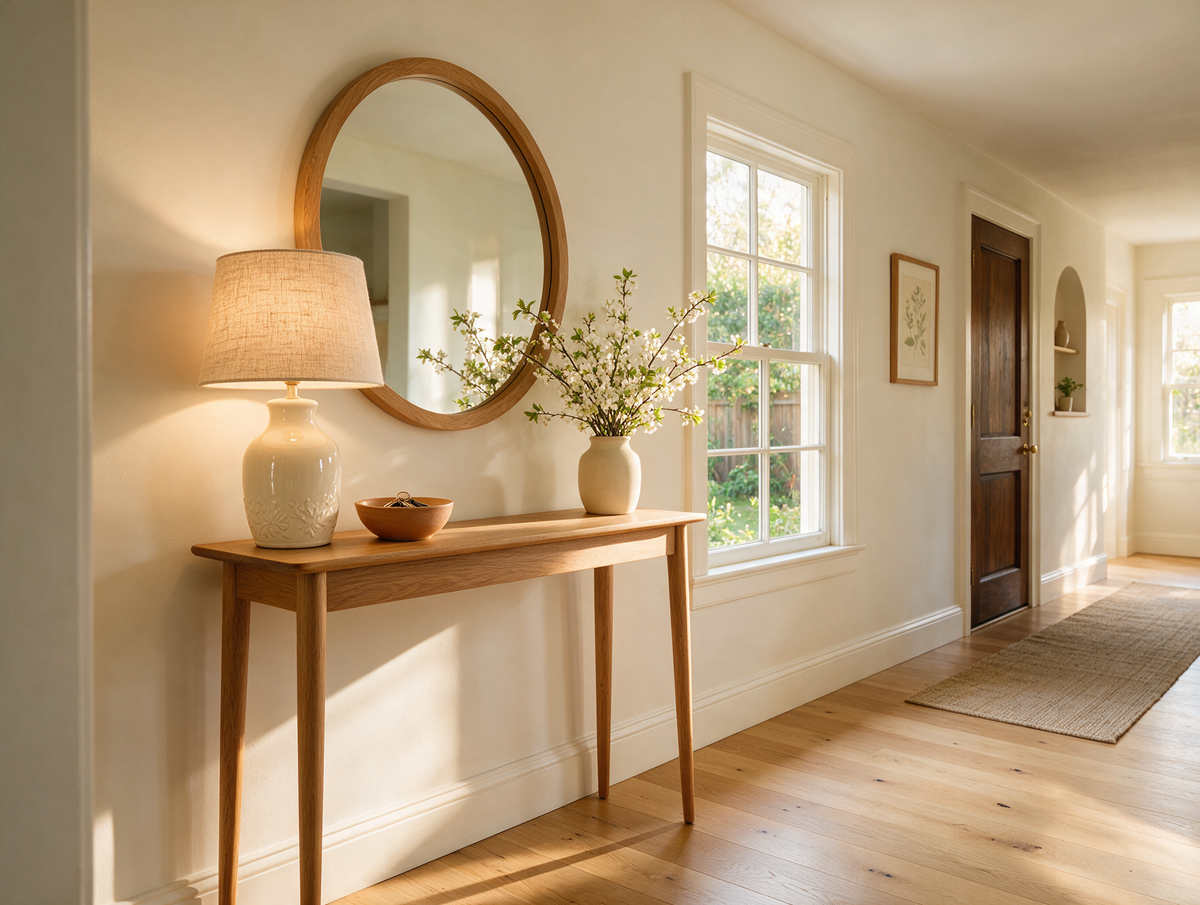
Console Table Ideas – Where to Use One and How to Style It
Do you remember coming home from school and dropping everything on the little table by the front door? Keys in the china dish, letters propped against the lamp, a vase of whatever was flowering in the garden and the old telephone with its curly cord. It was the first thing you saw when you walked in, and somehow it always said: you are home.
Read moreabout Console Table Ideas – Where to Use One and How to Style It
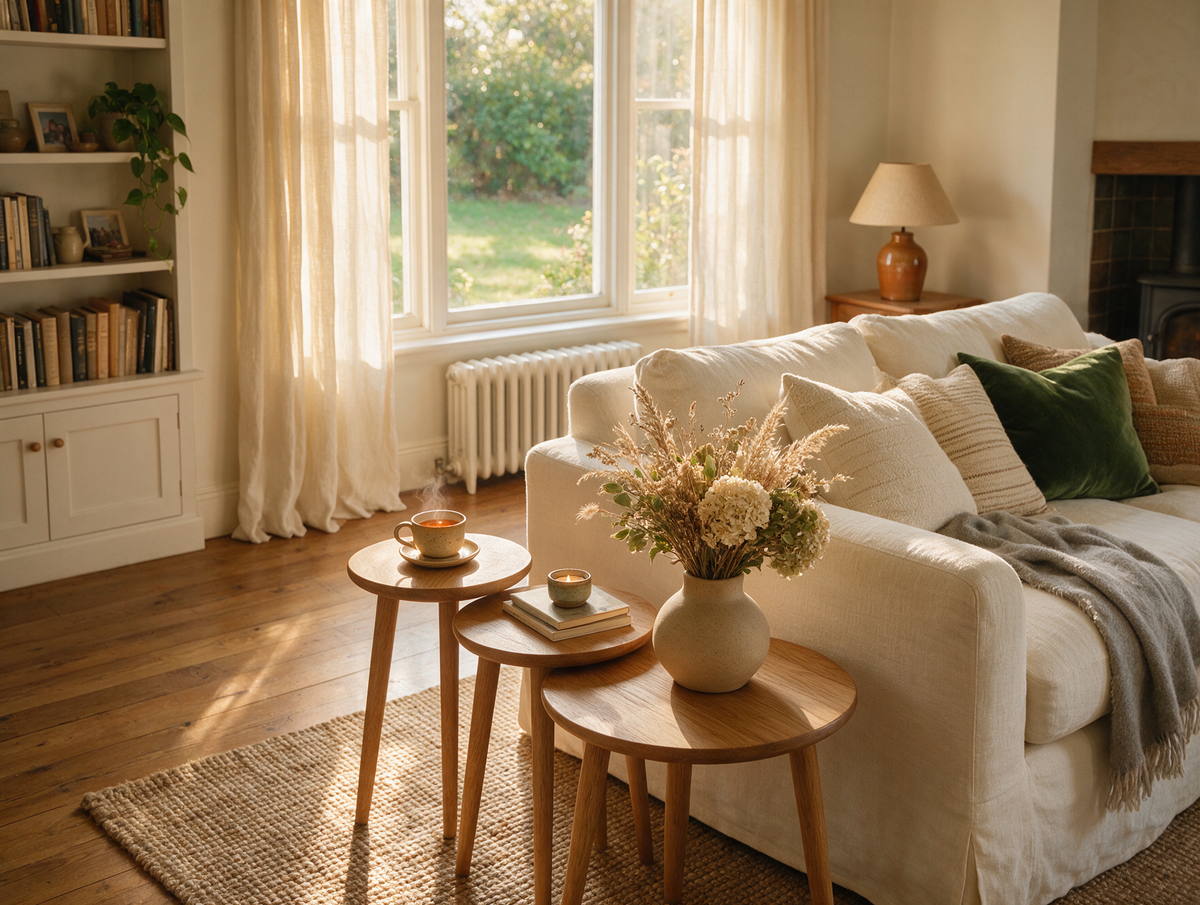
Nest of Tables – What Are They, Who Are They For and How to Style Them
Do you remember Sunday visits to your nan's, when the nest of tables came out from beside the armchair? Three little tables, each tucked neatly under the next, were pulled apart and handed round – one for the teapot, one for the biscuit tin and one for Grandad's crossword – and then slid back together the moment everyone went home.
Read moreabout Nest of Tables – What Are They, Who Are They For and How to Style Them
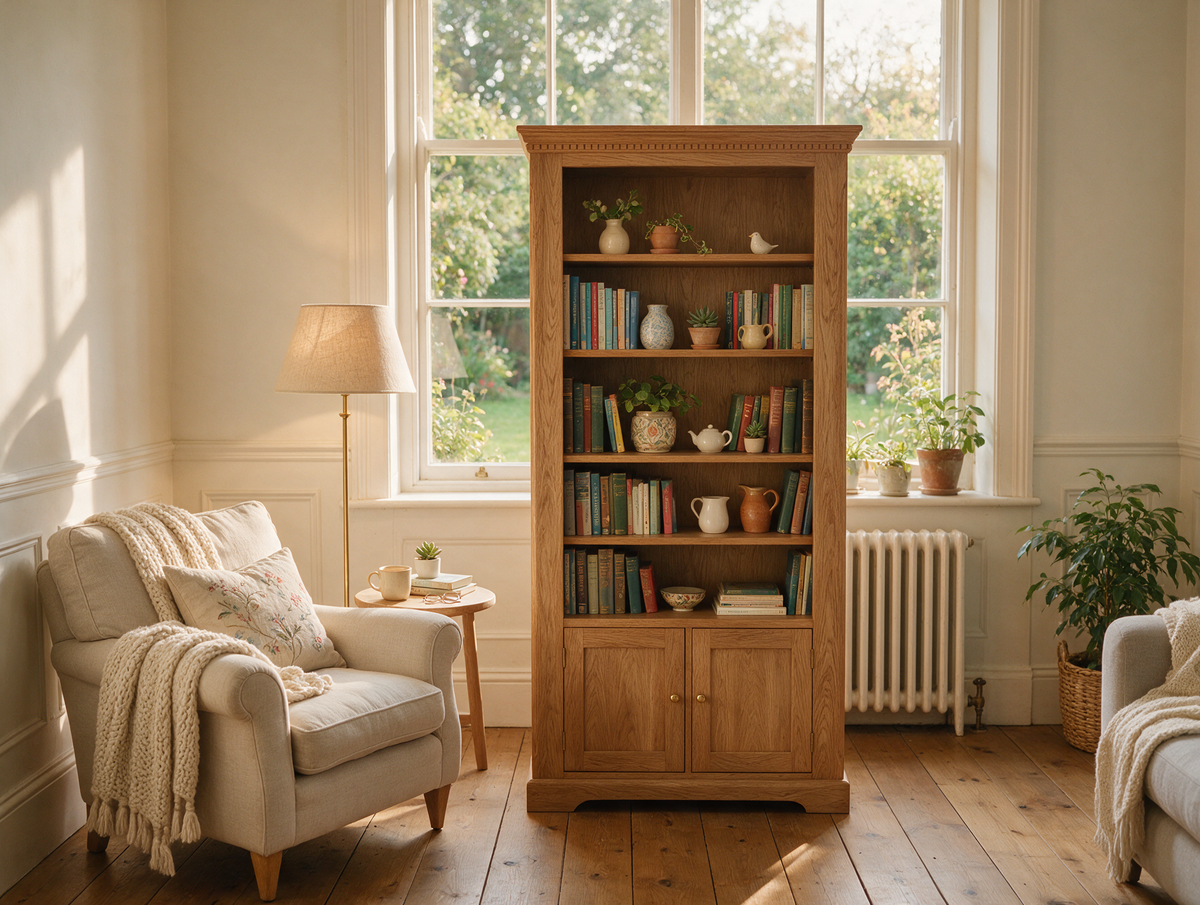
Bookcase Ideas – How to Choose and Style a Bookshelf for Your Living Room
Do you remember the bookcase in your grandparents' front room? Rows of faded paperbacks, a set of encyclopaedias nobody ever finished, holiday souvenirs, a framed school photo and that one heavy atlas you pulled out on rainy afternoons. It was never styled for anyone – and yet it told the whole story of the family.
Read moreabout Bookcase Ideas – How to Choose and Style a Bookshelf for Your Living Room



Share:
How to Choose a Sofa – A Complete Buying Guide for Every Home
Extendable Dining Table – How to Choose the Right Size, Shape and Mechanism