


- by Daniel Pawlik
Settee vs Sofa vs Couch – What’s the Difference and Which One Should You Choose?
- by Daniel Pawlik
When you are shopping for seating, the terms settee vs sofa vs couch can feel interchangeable – but they carry subtle differences in style, function and even cultural context. Understanding sofa vs couch, sofa or settee, and couch or sofa helps you choose the right piece that fits not just your space, but your lifestyle and room vibe.
The difference between sofa and couch is often more about language and nuance than strict rules. A sofa tends to be the more formal, structured option – think defined arms, high back and a design meant for everyday sitting in a living room setting. In contrast, a couch feels more casual and relaxed, sometimes with lower backs or even armless designs originally meant for lounging or lying down.
In American English, couch or sofa dominates casual conversation, while in British English, sofa is the go‑to term. The difference between couch and sofa also shows in usage: sofas are primary seating for families and guests, while couches evoke a more informal, “sink‑in‑and‑relax” feel. For example, a classic foam sofa like Pillovely’s Lightweight Camellia Sofa leans towards the sofa side – elegant, structured yet cozy for daily use.
Practically, sofa vs couch comes down to proportion and purpose. Sofas usually seat 3–4 comfortably with higher backs for support, ideal for conversation or TV viewing. Couches might be slimmer or more modular, better for smaller spaces or when you want that laid‑back vibe. In modern homes, the lines blur – many “sofas” function like couches with deep seats and removable cushions, as seen in Pillovely’s foam designs such as the Franec 3 seater sofa bed.
If you are debating the difference between sofa and couch for your home, consider your room’s formality: a sofa suits structured living rooms, while a couch fits open‑plan or teen hangouts. Either way, both can be timeless with the right upholstery – durable fabrics for families or sleek foam for minimalists.

Choosing a couch or sofa often depends on your region, style and how you use the space – but it also hints at the design you need. In the US and Australia, couch or sofa is everyday language, while in the UK, sofa is more common. Sofa or couch as a term reflects whether you want something formal (sofa) or relaxed (couch).
A sofa fits homes where seating is a focal point – think elegant living rooms with matching armchairs and coffee tables. It has structured arms and backs, seating 3–4, and works well for hosting. A couch, by contrast, feels more approachable: lower profiles, deeper seats for lounging, sometimes even modular pieces that encourage sprawling out. For a versatile option, Pillovely’s Franec 3 seater sofa bed bridges the gap – structured like a sofa but cozy enough to function as a couch, and it unfolds into a bed for guests.
Regionally, the couch or sofa also influences style: American couches often lean casual with sectionals, while British sofas might be more upright and traditional. In function, sofa vs couch matters for small homes – a compact sofa like the Lightweight Camellia Sofa suits tight spaces as a formal piece, while a couch‑style modular set invites flexibility.
Ultimately, when deciding sofa or couch, match to your lifestyle: sofa for polished gatherings, couch for everyday chill. Modern foam furniture from Pillovely blurs these lines, offering sofa elegance with couch comfort – lightweight, easy to move and perfect for evolving interiors, as in the Bamby Sofa with Sleeping Function.
Sofa or settee brings a more distinct visual and historical difference. A sofa is the modern, versatile standard: upholstered with arms and back, sized for 3+ people, designed for lounging or sitting. A settee is smaller, more upright and often decorative – typically 2–3 seats, with a higher back and sometimes exposed wooden legs or arms, evoking vintage or traditional charm.
The difference between sofa and settee lies in scale and formality. Settees originated as elegant benches in 17th‑century England, often with tufted backs or ornate details, making them statement pieces rather than everyday workhorses. Sofas evolved for family use – deeper seats, lower profiles. In small rooms, a settee shines as a slim accent, while a sofa anchors larger spaces. Pillovely’s foam sofas like the Delicate Lunaria sofa capture a settee‑like delicacy in modern form – lightweight, refined lines without sacrificing comfort.
Visually, sofa vs settee is clear: sofas have plush, enveloping cushions; settees are more tailored, sometimes with button tufting or slimmer arms. In interiors, sofas fit contemporary or family rooms, settees suit period homes, hallways or as elegant pairs. If you love a nod to 90s and 2000s nostalgia, a settee‑style piece with soft upholstery bridges old and new.

When weighing a settee or sofa, consider your room size, style and daily habits. A sofa suits most homes – spacious, comfortable for groups, with endless modern options like modular foam designs. A settee works best in compact or formal spaces, where its slim profile and decorative flair add character without dominating.
For small rooms, sofa or settee? A compact sofa like Pillovely’s Lightweight Camellia Sofa offers settee proportions with full sofa comfort – easy to move, vacuum‑packed for delivery and perfect for apartments. Larger families might prefer a full sofa such as the Franec 3 seater sofa bed, which seats more and unfolds into a bed for guests.
Style guides the choice too. Settee or sofa in traditional interiors? A settee with tufted details fits vintage or Dark Academia vibes. In modern minimalism, a clean sofa wins. For everyday use, foam sofas from Pillovely’s range – like Camelia or the modular Bamby – adapt to both, with removable covers for easy care and organic shapes that feel timeless.
Ultimately, settee vs sofa boils down to need: settee for elegance in tight spots, sofa for versatility everywhere. Whether you say sofa vs couch or couch or sofa, the best choice supports your rituals – family movie nights, quiet reads or quick guest seating. Pillovely’s lightweight, foam‑based pieces like Lunaria make the decision easier, blending sofa structure with couch coziness and settee refinement in one adaptable package.
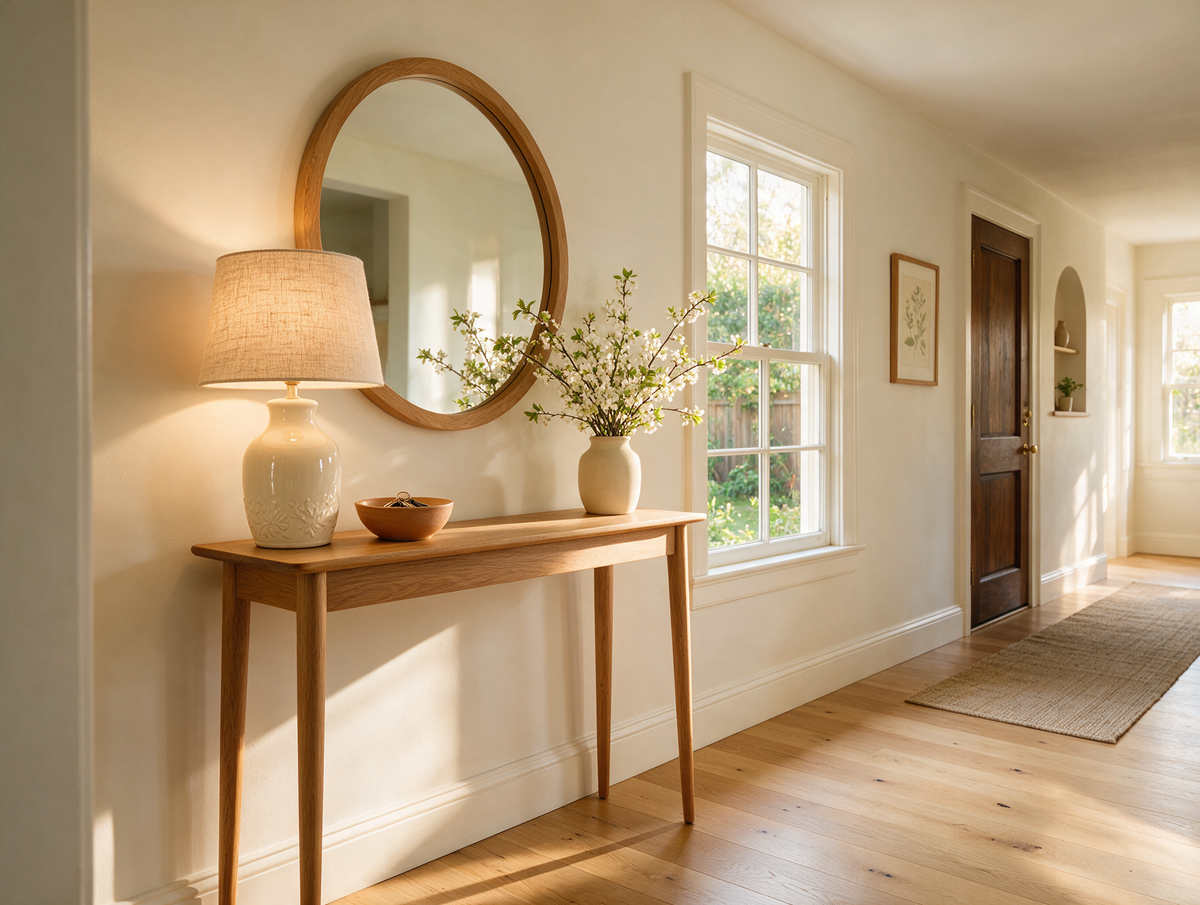
Console Table Ideas – Where to Use One and How to Style It
Do you remember coming home from school and dropping everything on the little table by the front door? Keys in the china dish, letters propped against the lamp, a vase of whatever was flowering in the garden and the old telephone with its curly cord. It was the first thing you saw when you walked in, and somehow it always said: you are home.
Read moreabout Console Table Ideas – Where to Use One and How to Style It
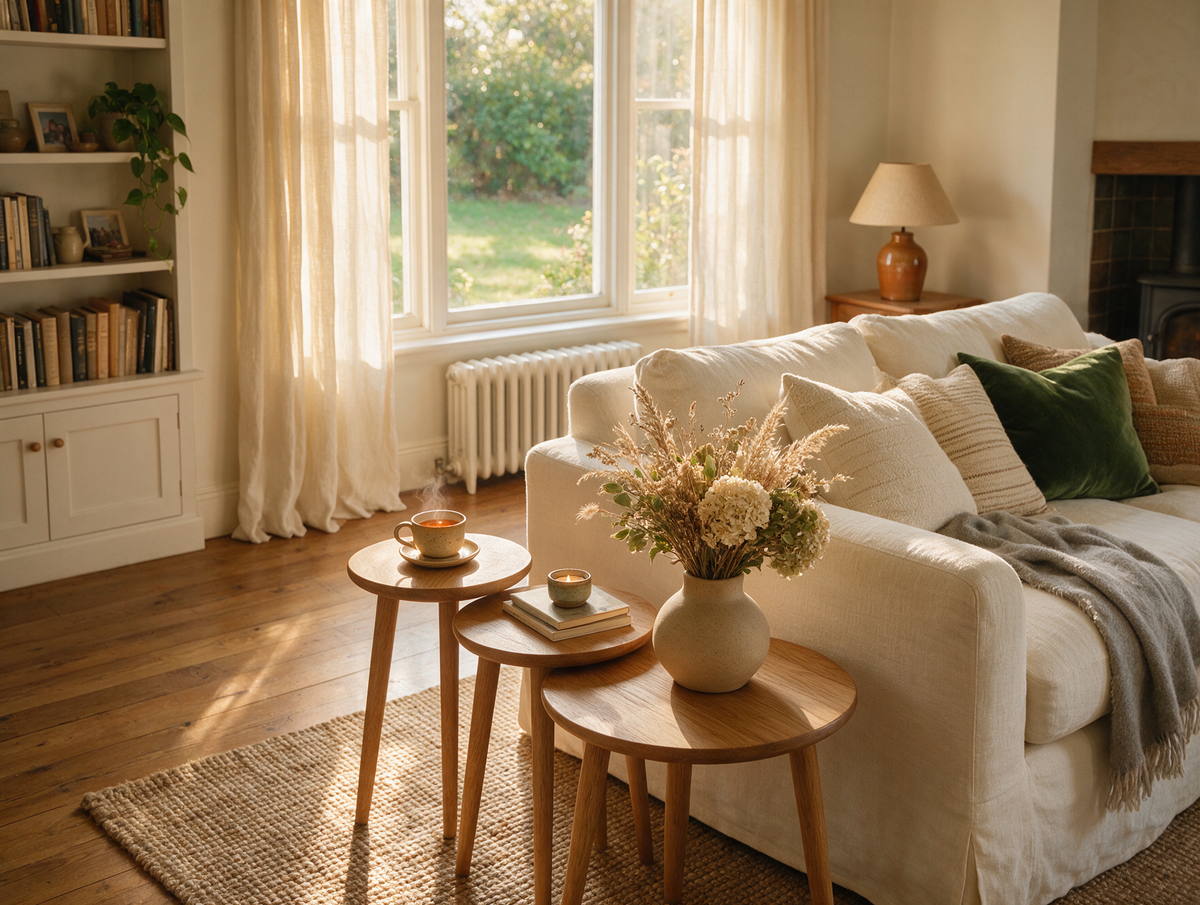
Nest of Tables – What Are They, Who Are They For and How to Style Them
Do you remember Sunday visits to your nan's, when the nest of tables came out from beside the armchair? Three little tables, each tucked neatly under the next, were pulled apart and handed round – one for the teapot, one for the biscuit tin and one for Grandad's crossword – and then slid back together the moment everyone went home.
Read moreabout Nest of Tables – What Are They, Who Are They For and How to Style Them
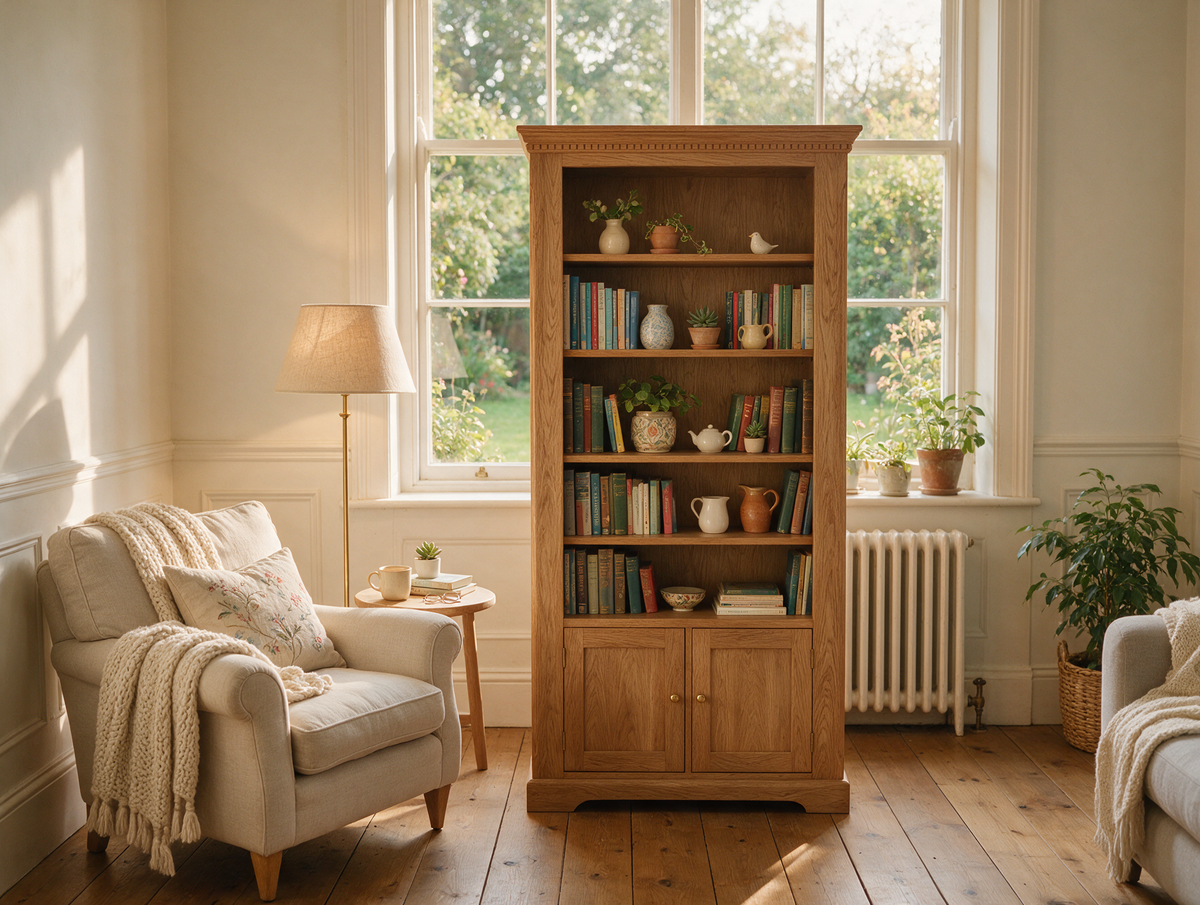
Bookcase Ideas – How to Choose and Style a Bookshelf for Your Living Room
Do you remember the bookcase in your grandparents' front room? Rows of faded paperbacks, a set of encyclopaedias nobody ever finished, holiday souvenirs, a framed school photo and that one heavy atlas you pulled out on rainy afternoons. It was never styled for anyone – and yet it told the whole story of the family.
Read moreabout Bookcase Ideas – How to Choose and Style a Bookshelf for Your Living Room



Share:
Bedroom Colours – The Best Wall Colours for a Relaxing Bedroom
Kitchen Sofa Ideas: How to Create a Cozy and Functional Space