


Bedroom Colours – The Best Wall Colours for a Relaxing Bedroom
- by Daniel Pawlik
Bedroom colours should suit your interior style, the size of the room and your personal taste. So which wall colour works best for a bedroom in different situations? Here is a practical guide.
Small bedroom – make the space feel bigger
In small bedrooms (up to about 12 m²) wall colours should make the space feel larger. Light, warm bedroom colours such as creamy beige, ecru or soft peach create a sense of space without feeling cold – like those cosy 90s bedrooms that felt bigger than they were thanks to light and colour.
White with warm undertones (not clinical brilliant white!) is a versatile choice for a small bedroom. Paired with an upholstered bed and linen textiles, it creates an elegant, airy atmosphere.
Large bedroom – depth and cosiness
In bedrooms over 20 m² you can be bolder. Darker shades – warm charcoal, bottle green, deep navy – create an intimate, enveloping atmosphere. These bedroom colours do not overwhelm a large room, but add character.
Large bedrooms also suit a feature wall: one wall behind the bed in a stronger colour, the rest lighter. An upholstered bed with a tall headboard looks stunning against a dark wall.
Scandinavian bedroom
What colour for a Scandinavian-style bedroom? Warm beiges, greys and creamy whites with natural furniture. Wall colours in this style should be muted and matt, creating a neutral backdrop for textures – linen, wool and wood.
Modern bedroom
Modern bedroom colours can play with contrast: light walls with black accessories, or dark walls with light furniture. A divan bed in light upholstery looks beautiful against a dark wall. Modern schemes also love geometric patterns and matt finishes.

Which bedroom wall colours best support restful sleep and relaxation? Colour psychology points to a few proven choices.
Blue – a classic for sleep
Soft blues (not bright electric blue!) are among the most popular relaxing bedroom colours. Powder blue, misty blue and pale azure are associated with the sky and water, and many people find them calming. Combined with a bed in natural tones, blue creates a harmonious, peaceful space – a good choice if you find it hard to fall asleep.
Green – nature and balance
Many warm bedroom colours are based on green – sage, moss, olive. Green is associated with nature, balance and rest, and works beautifully with wood-tone furniture. Sage green has been a favourite for several years – warm, cosy and versatile. A quality mattress and natural bedding against a green wall create a nature-inspired look.
Beiges and creams – timeless cosiness
Warm beige is one of the bedroom colours designers choose most often. Cream, ecru and sandstone shades create a neutral backdrop that never gets boring and suits every style of furniture. These colours warm up a room whatever the light, and a bedside table in a natural wood tone looks lovely against cream walls.
Colours to avoid
Red, orange and intense yellows are stimulating and can make it harder to wind down – even as accents they may disturb rest. Cold greys and charcoals can feel gloomy too, so choose shades with warm undertones.
Warm bedroom colours are the foundation of cosiness in every season. Here is a palette that works 365 days a year.
Earthy palette – terracotta, ochre, clay
Nature-inspired wall colours such as terracotta, burnt ochre and warm clay create an earthy, cosy mood. A terracotta feature wall with beige on the others adds sophisticated depth. A chest of drawers in a warm wood tone goes beautifully with earthy colours.
Golden beiges and peach
Peach Fuzz, Pantone's Colour of the Year 2024, is a lovely bedroom colour – warm, subtle and reminiscent of morning light. Use butter yellow carefully, as an accent or in very sunny rooms. These warm colours pair beautifully with linen textiles and bamboo accessories, creating a "spa at home" feel.
Pink – from powder to apricot
Dusty pink has come a long way from the stereotype. Millennial pink, blush and dusty rose all create a romantic, calm atmosphere, and combined with greys and beiges they make a sophisticated colour scheme.

How do you choose a bedroom colour that works with your light and furniture? These tips will help you avoid the most common mistakes.
Which way the room faces
North-facing bedrooms need warm colours – beiges, peach, warm greys – to make up for the lack of sun. South-facing bedrooms can take cooler colours – blues, mint, lavender – thanks to plenty of daylight. Avoid cold greys and blues in north-facing rooms, as they can look gloomy. Always test colours in natural light at different times of day.
Matching colours to furniture
Bedroom colours need to work with your bed and wardrobes. Wood-tone furniture looks best with warm beiges, earthy shades and soft blues. Upholstered beds in beige contrast beautifully with grey and green walls. White furniture needs a warm backdrop – pure white walls with white furniture can look clinical. Black furniture looks best against light, warm colours.
Paint finish
Matt paint creates a cosy bedroom atmosphere. Eggshell and satin finishes are more practical and easier to wipe clean. Gloss paint reflects light and can feel harsh in the evening.
Colour accents
One wall in a stronger colour (behind the bed) is a safe way to experiment, with the other walls in a neutral beige, white or grey. Textiles – bedding, curtains and cushions – add colour accents that are easy to change.
Final tip – the bedroom of your dreams
Which bedroom colour should you choose? Warm beiges, soft blues and earthy greens are proven relaxing bedroom colours. Choose consciously, test in daylight and take your furniture and the room's architecture into account.
Discover Pillovely beds, chests of drawers and bedside tables – natural tones and fabrics that suit any colour palette. Create a bedroom where every evening is a chance to recharge and every morning is a pleasure.
Pillovely – for those who want more.
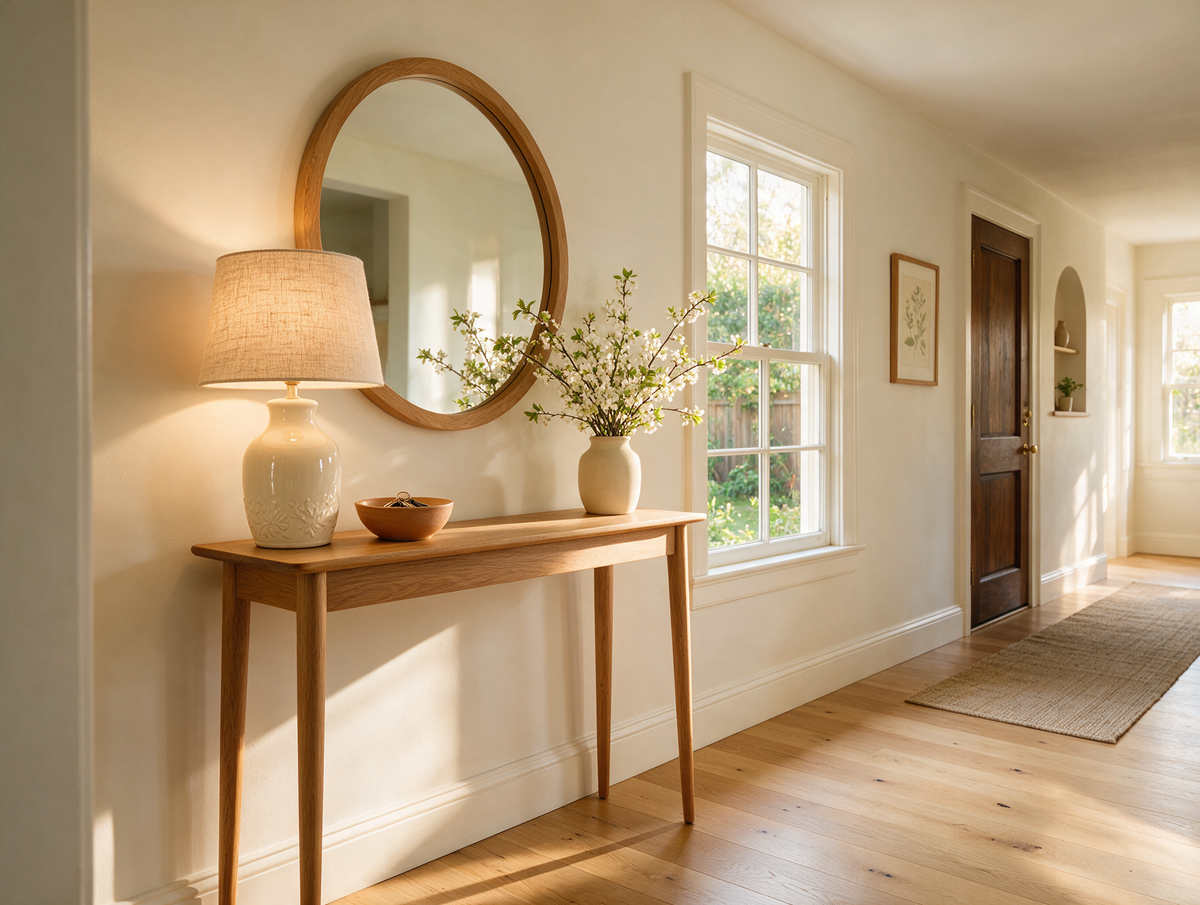
Console Table Ideas – Where to Use One and How to Style It
Do you remember coming home from school and dropping everything on the little table by the front door? Keys in the china dish, letters propped against the lamp, a vase of whatever was flowering in the garden and the old telephone with its curly cord. It was the first thing you saw when you walked in, and somehow it always said: you are home.
Read moreabout Console Table Ideas – Where to Use One and How to Style It
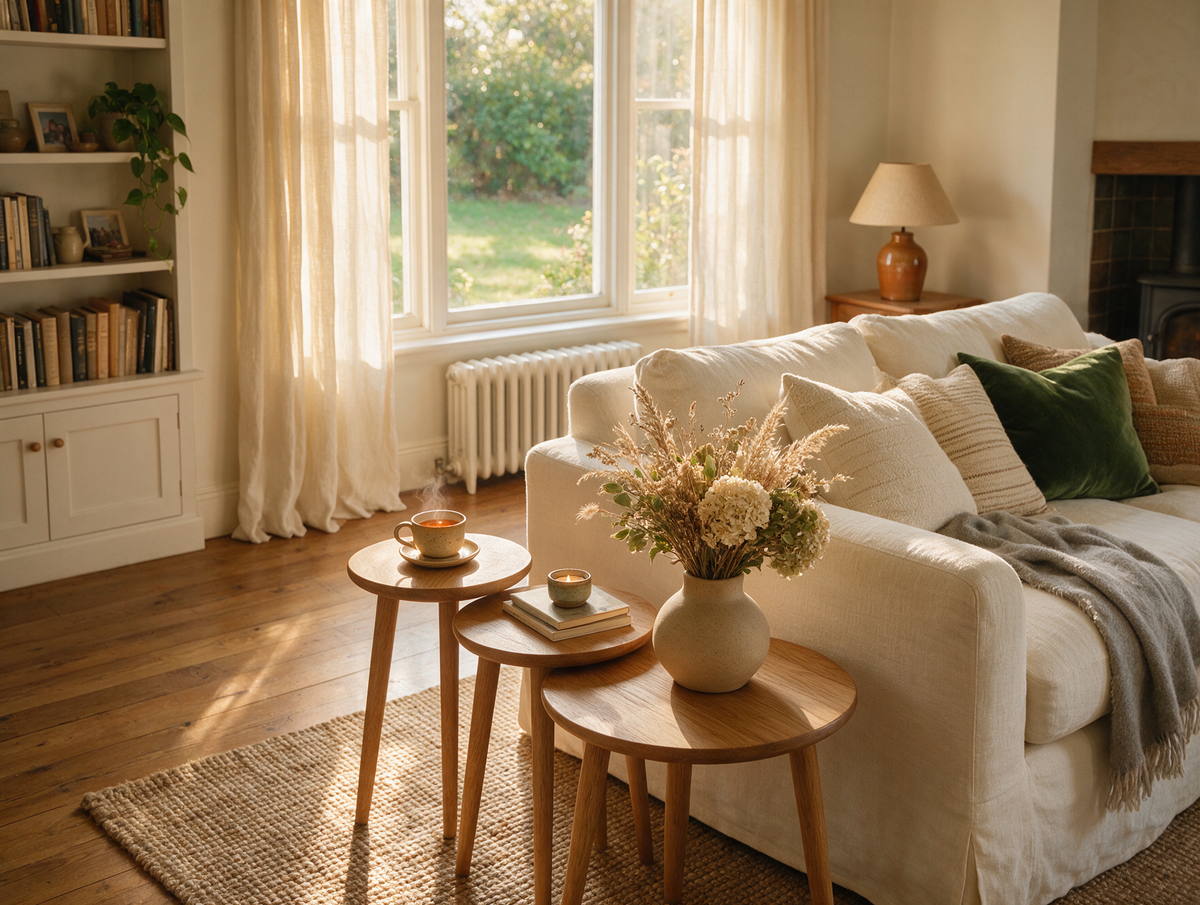
Nest of Tables – What Are They, Who Are They For and How to Style Them
Do you remember Sunday visits to your nan's, when the nest of tables came out from beside the armchair? Three little tables, each tucked neatly under the next, were pulled apart and handed round – one for the teapot, one for the biscuit tin and one for Grandad's crossword – and then slid back together the moment everyone went home.
Read moreabout Nest of Tables – What Are They, Who Are They For and How to Style Them
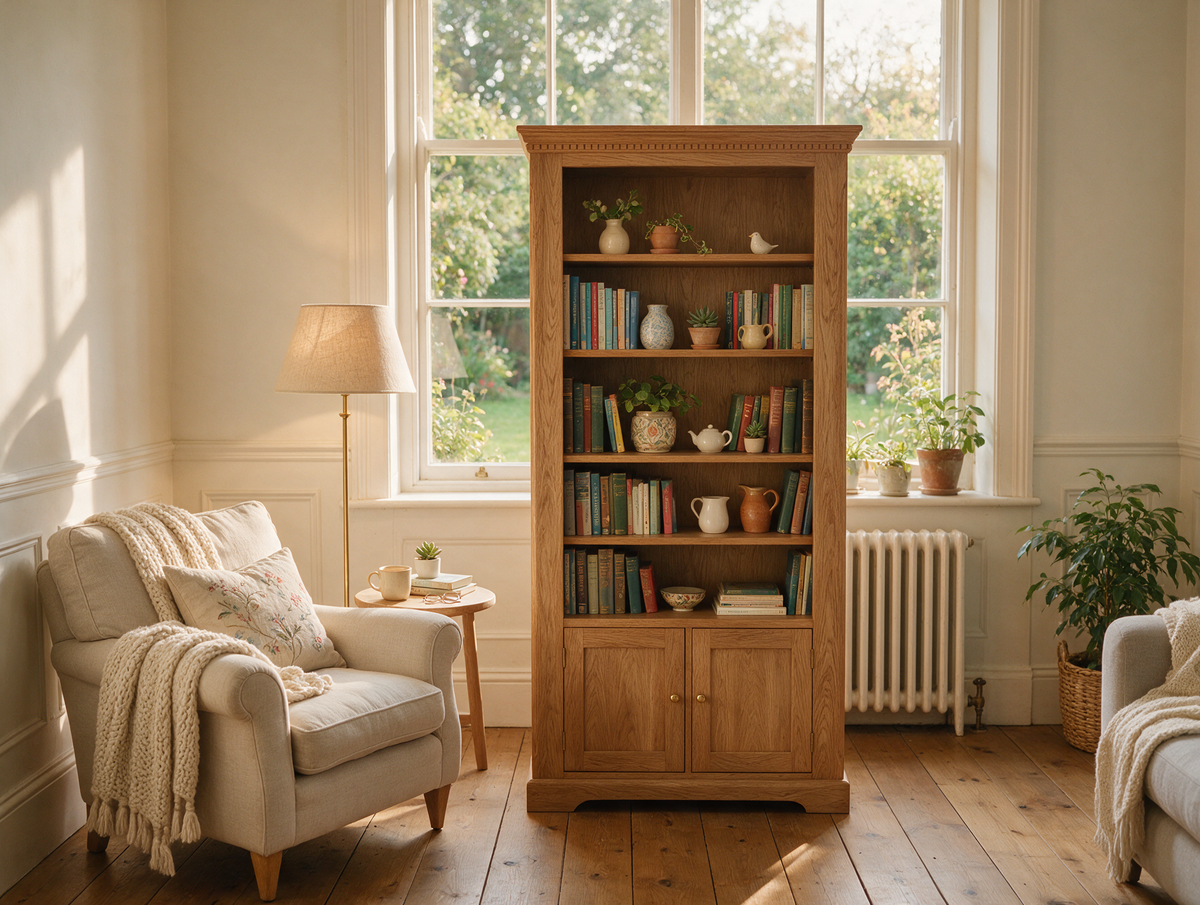
Bookcase Ideas – How to Choose and Style a Bookshelf for Your Living Room
Do you remember the bookcase in your grandparents' front room? Rows of faded paperbacks, a set of encyclopaedias nobody ever finished, holiday souvenirs, a framed school photo and that one heavy atlas you pulled out on rainy afternoons. It was never styled for anyone – and yet it told the whole story of the family.
Read moreabout Bookcase Ideas – How to Choose and Style a Bookshelf for Your Living Room



Share:
Teal Living Room Ideas – Stylish Ways to Use Teal in Modern Interiors
Settee vs Sofa vs Couch – What’s the Difference and Which One Should You Choose?