


- by Daniel Pawlik
Sliding wardrobe – is it a good choice and how to choose the right size for your bedroom?
- by Daniel Pawlik
You open the wardrobe doors and immediately realize something is in the way — the bed is too close, and the hinged door bangs against the window frame every morning. This is one of those small, daily problems that you don't have to put up with. A sliding wardrobe is designed precisely to eliminate this issue — the doors slide along the body instead of opening outwards, which changes the way the entire space around it functions.
In this guide, we'll explore when a sliding wardrobe truly has an advantage over a traditional version, how to choose its dimensions for the bedroom and hallway, and what to pay attention to so that your purchase is a good one for years to come.
The biggest difference between these two solutions comes down to one word: space. A hinged-door wardrobe needs free space in front of it to open — usually about 60–70 cm. In a small bedroom or narrow hallway, this distance often simply isn't available, and its absence means daily door banging against the bed, chest of drawers, or door frame.
A sliding wardrobe solves this problem because the doors move along tracks parallel to the main body — they don't require any additional space to open. This means the furniture can be placed right next to the bed, in a narrow corridor, or under a sloped ceiling, without worrying about collisions with other furniture.
However, a traditional wardrobe has its strengths. It is usually cheaper to produce, and the hinged door mechanism is simpler — less prone to failure and easier to repair yourself. Additionally, with a hinged version, it's easier to access the full width of the interior simultaneously, which can be convenient for major tidying in the wardrobe.
The choice between these solutions is essentially a question of priorities: if space saving and freedom of furniture arrangement are important to you, a sliding wardrobe will be a better direction. If you value mechanical simplicity and a lower budget, it's worth considering the standard version.
It's also worth thinking about how often you actually use the wardrobe during the day. In a bedroom that you primarily visit in the evening and morning, the quiet, smooth movement of sliding doors rarely poses a problem. In more intensively used rooms — for example, a family wardrobe used by several people simultaneously — it's worth paying attention to the width of the opening and whether both doors can be opened at the same time without blocking access to the interior.

Choosing the dimensions of a sliding wardrobe for the bedroom starts with accurately measuring the wall where it will stand — not just its length, but also the height of the room, as many models are designed for a specific ceiling height, reaching from the floor to the top edge.
In small bedrooms, up to 10–12 sqm, wardrobes 120–180 cm wide with two sliding doors work well. This size offers reasonable internal capacity without taking up too much floor space. In larger bedrooms, where there is more wall space to utilize, it's worth considering models 200–250 cm wide with three doors — these offer significantly more storage space, and at the same time, they look like a cohesive, built-in wall.
Beyond width, the depth of the wardrobe is also important. A standard depth of 55–60 cm allows clothes to be hung on hangers perpendicularly — this is the most frequently chosen option. Shallower models, about 40 cm, will work where every centimeter counts, but they require hangers to be positioned parallel to the front, which slightly reduces capacity.
Before you decide on a specific model, also check how much space the top and bottom tracks of the wardrobe will occupy — in some designs, the bottom track protrudes slightly above the floor level, which is worth considering if you plan to have a rug or carpet in that area.
The hallway is a room where space-saving matters most — and this is where a sliding wardrobe performs exceptionally well. The lack of need for space to open doors means that the furniture can be placed literally at the entrance, without blocking the passage or restricting movement.
In narrow corridors, good solutions include shallow wardrobes (30–45 cm), specially designed for storing outerwear, shoes, and accessories, without taking up excessive space. It's also worth considering models with light-colored fronts or mirrored elements — they visually enlarge a narrow room and also serve as a mirror when leaving the house.
If the hallway has an unusual shape — for example, a slope, a niche, or non-standard height — it's worth considering a custom-made wardrobe, tailored to the specific architecture of the room. This solution allows you to use every available centimeter that a standard piece of furniture might not cover.
Among the greatest advantages of a sliding door wardrobe is primarily space saving — the ability to freely position the furniture even in a cramped room, without worrying about collisions with other furniture. Large, sliding fronts often also function as a full-height mirror, which can be a practical solution, especially in bedrooms or hallways without additional space for a separate mirror. The interior of such a wardrobe can also usually be arranged freely — with shelves, rails, and drawers tailored to individual needs.
Among the disadvantages, it's worth mentioning the higher price compared to classic hinged wardrobes and a slightly more complicated mechanism, which — with low-quality craftsmanship — may eventually start to jam or work loudly. Therefore, when purchasing, it's worth paying particular attention to the quality of the tracks and rollers — preferably metal, silenced, with a soft-close system that prevents doors from slamming and extends the life of the mechanism.
Another important element is access to the entire interior of the wardrobe — in models with sliding doors, only part of the interior is visible at any given moment, because the other door always covers the remaining space. This is a minor inconvenience compared to a hinged wardrobe, but in practice, few people perceive it as a real problem in daily use of the wardrobe.
It's also worth paying attention to the material of the fronts. Laminated board is the most universal and durable solution, resistant to scratches and easy to clean daily. Mirrored fronts visually enlarge the room but require more frequent cleaning of fingerprints and dust. Fabric or upholstered inserts on the fronts add coziness to the interior, but they will mainly work in bedrooms, not in intensively used hallways.

A sliding wardrobe will prove exceptionally well wherever every centimeter of space counts — in small bedrooms, narrow hallways, or rooms with unusual layouts. Properly selected to the dimensions of the room, it becomes not only a functional storage place but also an aesthetic element of the interior that visually organizes the entire space.
If you are looking for furniture for your bedroom or hallway, visit Pillovely's homepage — you will find models in various widths, depths, and finishes, adapted to the size of any interior.
If you liked this text, be sure to also check out our other inspirations:
Double bed – what sizes to choose and what to consider when buying?
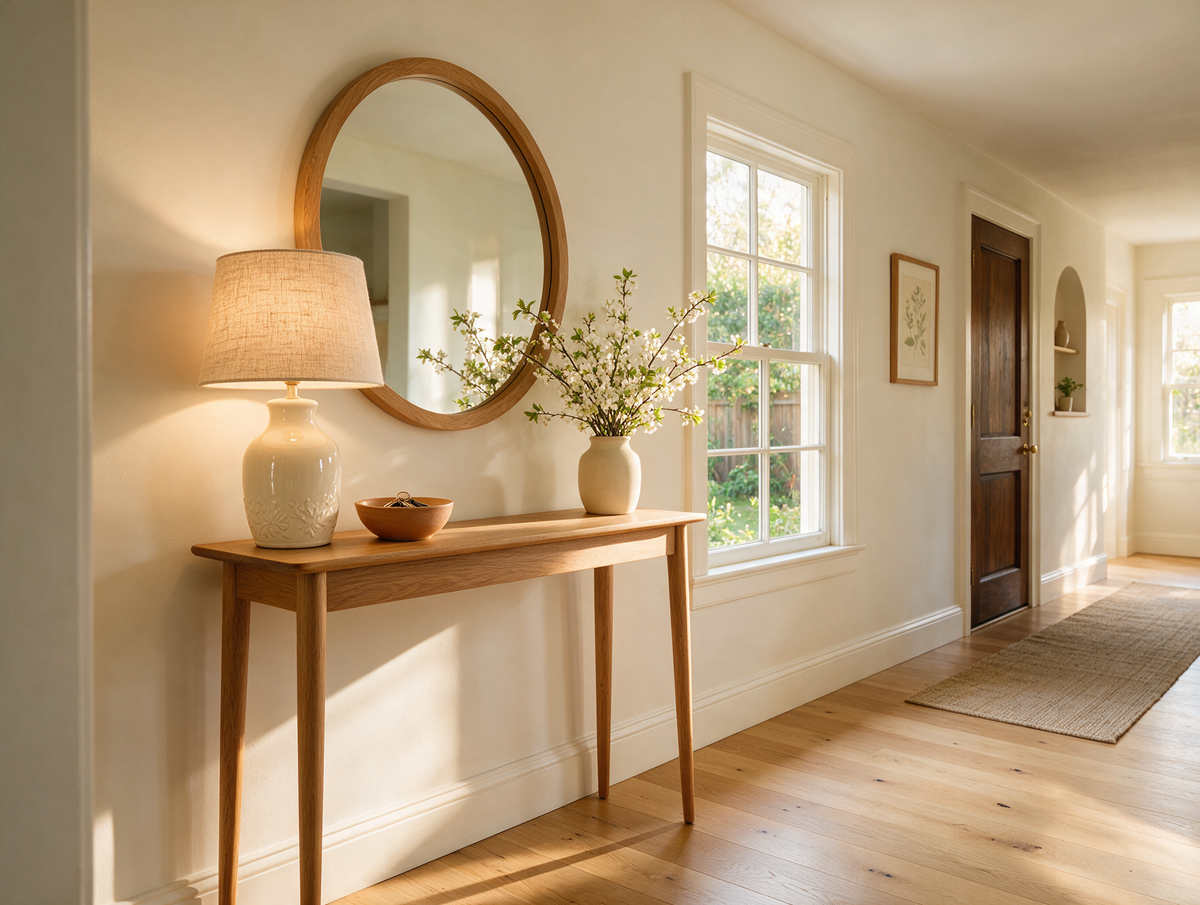
Console Table Ideas – Where to Use One and How to Style It
Do you remember coming home from school and dropping everything on the little table by the front door? Keys in the china dish, letters propped against the lamp, a vase of whatever was flowering in the garden and the old telephone with its curly cord. It was the first thing you saw when you walked in, and somehow it always said: you are home.
Read moreabout Console Table Ideas – Where to Use One and How to Style It
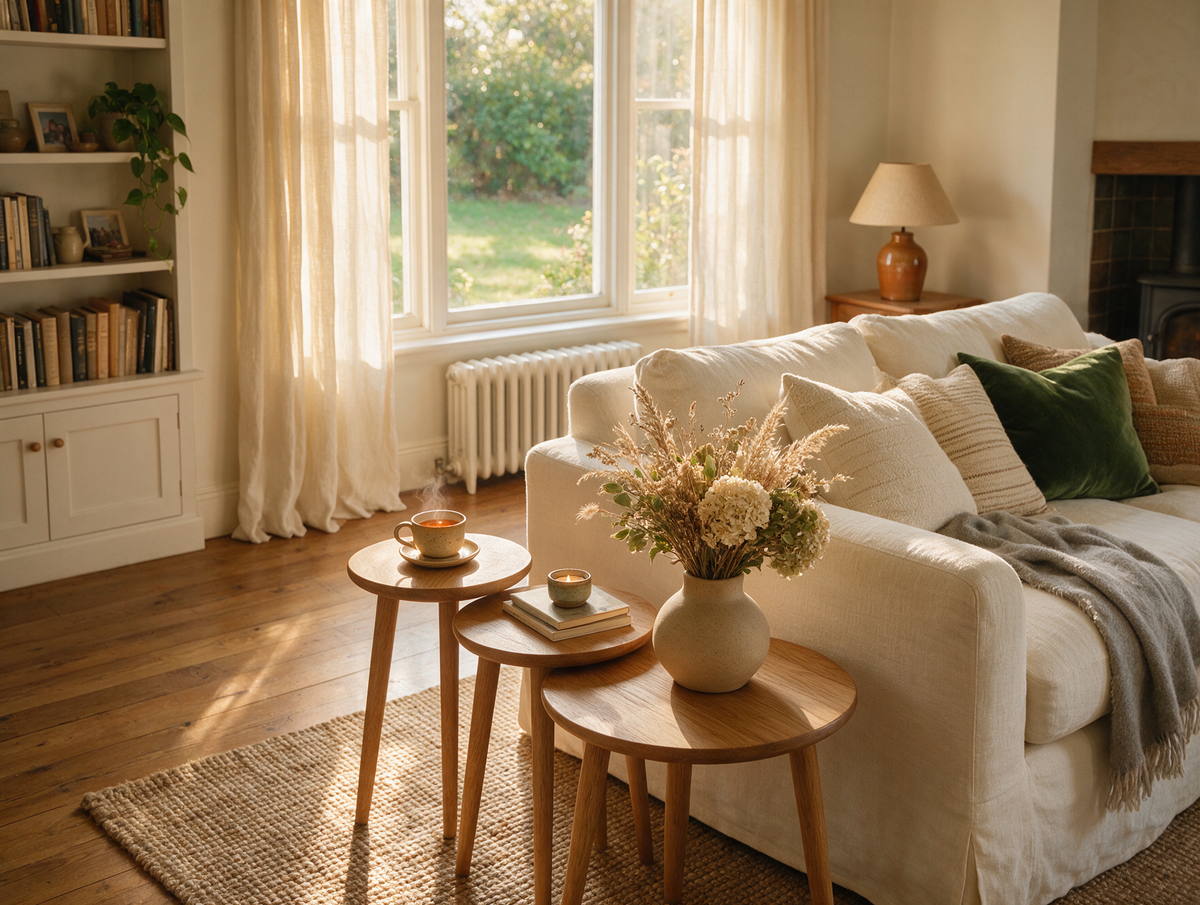
Nest of Tables – What Are They, Who Are They For and How to Style Them
Do you remember Sunday visits to your nan's, when the nest of tables came out from beside the armchair? Three little tables, each tucked neatly under the next, were pulled apart and handed round – one for the teapot, one for the biscuit tin and one for Grandad's crossword – and then slid back together the moment everyone went home.
Read moreabout Nest of Tables – What Are They, Who Are They For and How to Style Them
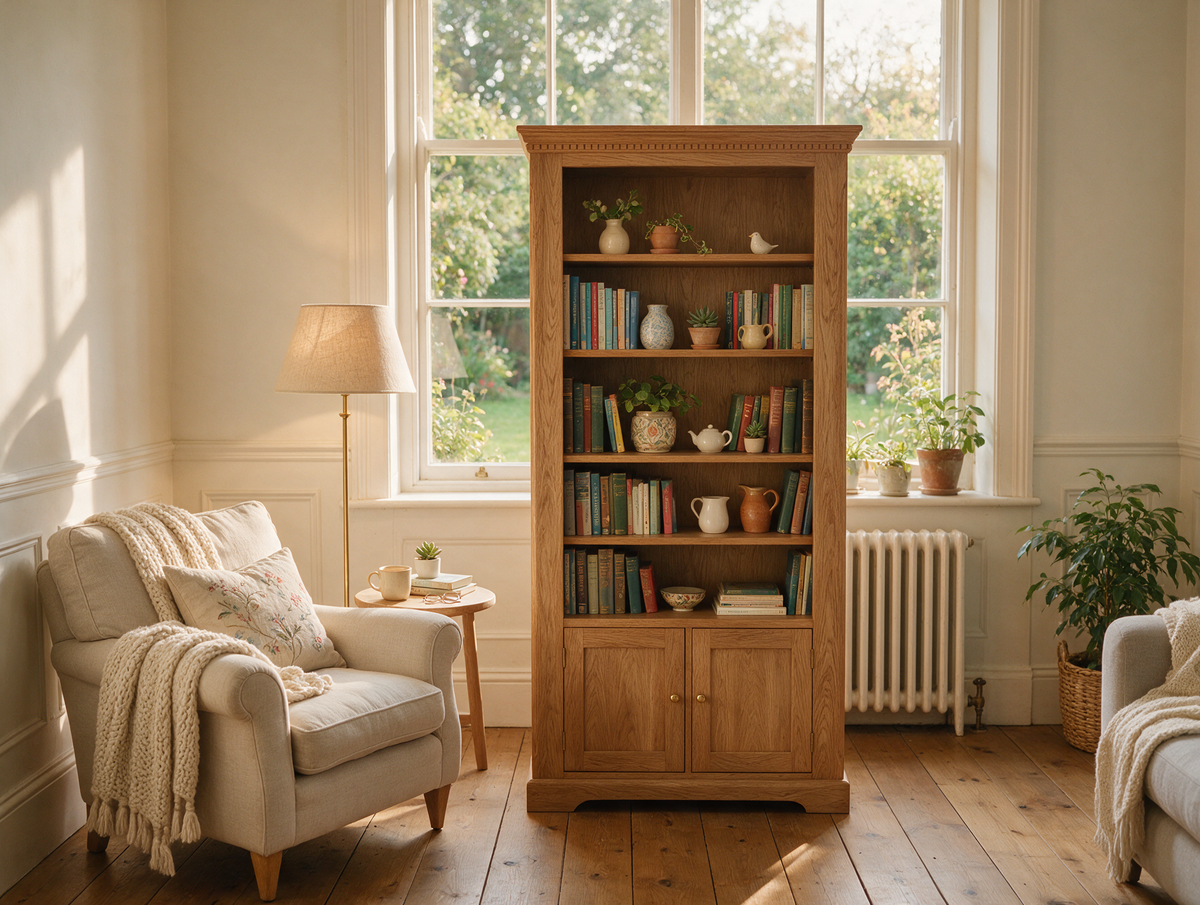
Bookcase Ideas – How to Choose and Style a Bookshelf for Your Living Room
Do you remember the bookcase in your grandparents' front room? Rows of faded paperbacks, a set of encyclopaedias nobody ever finished, holiday souvenirs, a framed school photo and that one heavy atlas you pulled out on rainy afternoons. It was never styled for anyone – and yet it told the whole story of the family.
Read moreabout Bookcase Ideas – How to Choose and Style a Bookshelf for Your Living Room



Share:
Pilla's Reading Corner: Neil Gaiman - "American Gods"
How to clean a couch? Home remedies for stain removal from various fabrics