


- by Daniel Pawlik
Buying a dining table – what size, shape, and material will best suit your dining room?
- by Daniel Pawlik
Some furniture pieces are far more than mere utilitarian objects. The dining table is undoubtedly one of them. It's where Sundays begin with fragrant coffee, where math homework is done alongside family meetings, and where the people who mean something to you gather. Anyone who knows the dining table stories of their own childhood – grandparents' old tablecloth, birthday cakes with many candles, long evenings with records and board games – knows: a good dining table is the quiet heart of a home. But which one suits your space, your family, and your everyday life? In this guide, you will find concrete answers and practical tips for every life situation.
Before buying a dining table, it's worth taking an honest look at your daily life. Who regularly sits at it? How often do guests visit? Is it used for eating, working, crafting, or playing? These questions determine the right choice more than any trend.
The most important tips for planning your dining table purchase:
Honestly estimate the number of people – consider everyday use and guest situations separately
Consider the shape of the room – narrow rooms require narrow tables
Plan for chair type – chairs with armrests need more space
Include the living room style – the table should not look out of place
Realistically choose maintenance effort – families with children need robust surfaces
When buying a dining table, the most important rule is: choose carefully rather than quickly. A good table will accompany you for years, often even decades. More about choosing suitable chairs can be found in our separate guide for dining chairs.
A quick pre-purchase checklist:
Precisely measure the room (length × width)
Plan at least 80 cm distance between the table and wall
Check freedom of movement for chairs (60 cm to stand up)
Define furniture style (modern, Scandinavian, industrial, classic)
Set a budget, including chairs

The right dining table size depends on two factors: the number of regular users and the available space. A good rule of thumb: for each person, you should plan about 60 cm width and 40 cm depth, so that dishes, glasses, and elbows have comfortable space.
How large should a dining table be depending on the number of people?
2 people – 80 × 80 cm is sufficient
4 people – at least 120 × 80 cm
6 people – ideally 160–180 × 90 cm
8 people – at least 220 × 100 cm
10 people or more – from 260 cm in length
A dining table 180 cm long is one of the most popular sizes in many German households – it comfortably seats six people and can accommodate eight guests in a pinch. For round tables, the rule is: from 120 cm diameter, four to five people can sit comfortably; from 140 cm, six people.
Models like the Round Dining Table Krel 140x76 or the larger Dining Table Oryss Oak with 220 cm length show the range: from a compact family table to a spacious banquet table for festivities.
Practical rules of thumb for space requirements:
Table to wall: at least 80 cm distance for chairs and walkway
Table to table: for multiple tables, at least 100 cm distance
Lighting: Pendant lamp should hang 60–70 cm above the tabletop
Chair width: plan at least 55–60 cm per seating place
If you have little space but occasionally host guests, you should consider an extendable dining table. The Extendable Dining Table Krel 80/120x80 is a good example: compact for everyday use, generously extendable when needed.
The question of table shape is more than a matter of taste. It has direct consequences for the room's feel, seating comfort, and atmosphere.
Round dining table:
Advantages:
fosters conversation – everyone faces each other
ideal for small rooms and tight layouts
no corners to bump into (family-friendly)
Disadvantages:
inefficient use of space for many people
center of the table harder to reach with large diameters
Rectangular dining table:
Advantages:
standard for many dining rooms, easy to furnish
efficient use of space
classic, family-oriented look
Disadvantages:
heads and middles sit further apart
can appear bulky in small rooms
Oval dining table:
Advantages:
combines advantages of both worlds
no hard corners with a good number of seats
elegant and harmonious
Disadvantages:
less common, narrower selection
A round dining table like the Scandinavian-designed Krel model with a 120 cm diameter is ideal for 4–5 people and fits many styles. For those who prefer industrial, the Round Table Stela Classic with a wild oak top and black steel legs offers a striking alternative.
A practical tip from experience: Mark the planned table shape on the floor with painter's tape. Place chairs around it and check for freedom of movement. These fifteen minutes often save an expensive wrong decision.
The material determines the look, maintenance, and lifespan. Here's an honest comparison of the most popular variants.
Buying a wooden dining table – the classics:
Solid wood (oak, walnut) – durable, full of character, each grain unique
Veneer on chipboard – cheaper alternative, good look with less robustness
Oiled wood – matte and natural, easy to care for, but more sensitive to water
Lacquered wood – easier to clean, glossy look, sensitive to scratches
Choosing wood brings warmth and history into your home. Oak wood patinates beautifully over the years – every small scratch becomes part of the family chronicle. Models like the Dining Table Krel 120x80 in Scandinavian style or the industrial Dining Table Oryss Oak show how differently wood can appear.
Metal tables and combinations:
Steel frame with wooden top – industrial look, very stable
Full metal – modern, cool, more for minimalist rooms
Powder-coated metal – scratch-resistant and easy to clean
Other popular materials:
If you enjoyed this text, be sure to check out our other inspirations:
Modular Sofa – what is it, how do you configure it, and is it worth buying?
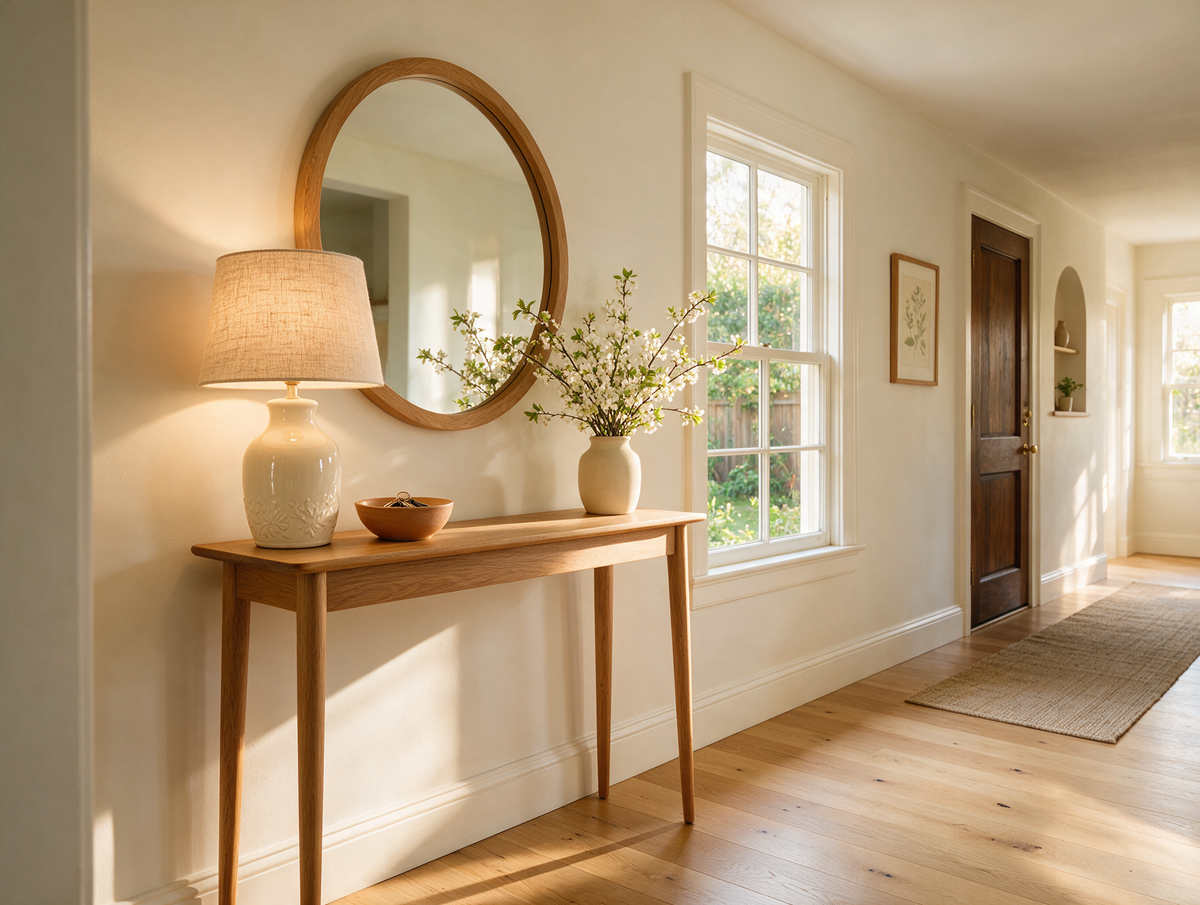
Console Table Ideas – Where to Use One and How to Style It
Do you remember coming home from school and dropping everything on the little table by the front door? Keys in the china dish, letters propped against the lamp, a vase of whatever was flowering in the garden and the old telephone with its curly cord. It was the first thing you saw when you walked in, and somehow it always said: you are home.
Read moreabout Console Table Ideas – Where to Use One and How to Style It
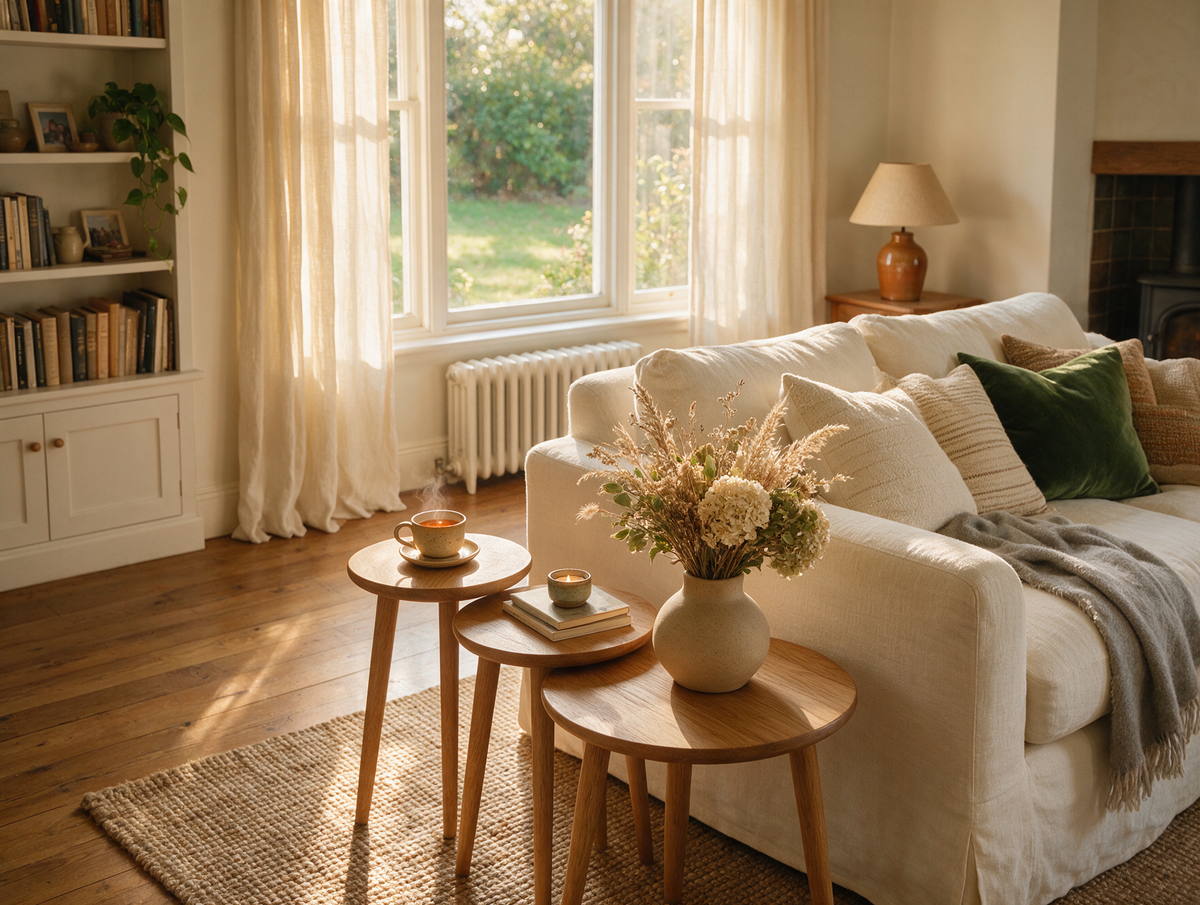
Nest of Tables – What Are They, Who Are They For and How to Style Them
Do you remember Sunday visits to your nan's, when the nest of tables came out from beside the armchair? Three little tables, each tucked neatly under the next, were pulled apart and handed round – one for the teapot, one for the biscuit tin and one for Grandad's crossword – and then slid back together the moment everyone went home.
Read moreabout Nest of Tables – What Are They, Who Are They For and How to Style Them
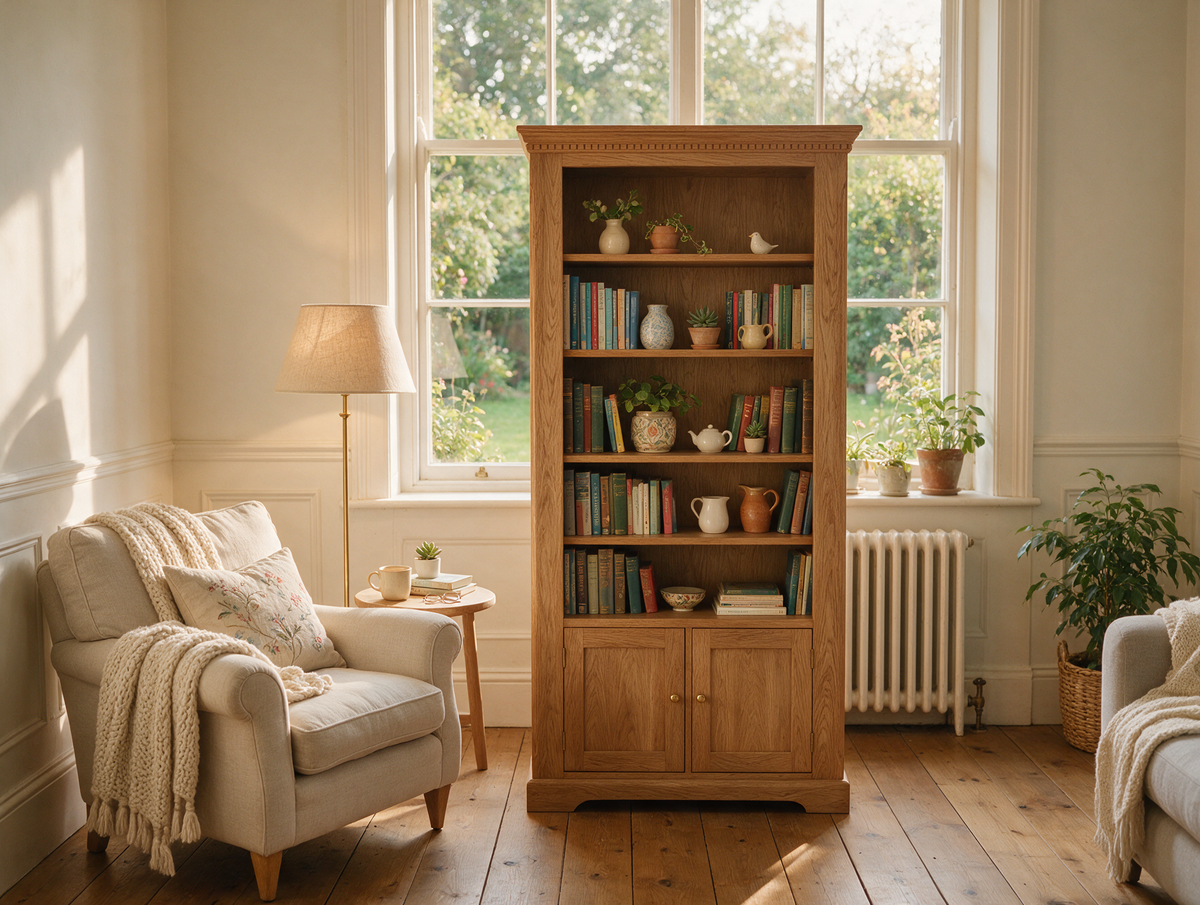
Bookcase Ideas – How to Choose and Style a Bookshelf for Your Living Room
Do you remember the bookcase in your grandparents' front room? Rows of faded paperbacks, a set of encyclopaedias nobody ever finished, holiday souvenirs, a framed school photo and that one heavy atlas you pulled out on rainy afternoons. It was never styled for anyone – and yet it told the whole story of the family.
Read moreabout Bookcase Ideas – How to Choose and Style a Bookshelf for Your Living Room



Share:
Modular sofa – what is it, how to configure it, and is it worth buying?
What Color for the Living Room? Wall Colors and Color Concepts for a Harmonious Home