


- by Damian Jerzy Zadora
Climbing plants for the home – the trend for naturalness. Check it out!
- by Damian Jerzy Zadora
Are you looking for an easy way to inject new life and character into your interior? Choose climbing plants! They are among the hottest interior design trends of 2025, combining naturalness with urban jungle aesthetics. Green tendrils cascading from shelves, winding along supports, or picturesquely wrapping around furniture – they are not only beautiful but also bring relaxation to everyday life.
It is the undisputed queen of indoor greenery. It captivates with beautiful, heart-shaped leaves and impressive growth – within a few months, it can form a green cascade. Its enormous hardiness is particularly noteworthy: it thrives in partial shade, even in places where other plants give up. Varieties such as "Aureum" (golden leaves), "Marble Queen" (marbled, white-green), and "N-Joy" (light spots) offer diverse design possibilities. Perfect for hanging in macrame, on shelves, or as a trailing plant on a tall chest of drawers.

This plant appears more subtle and elegant. Its dark green, slightly glossy leaves and slender form add a noble touch to any interior. It is well-suited for bedrooms, bathrooms, or living rooms with slightly higher humidity. It is an undemanding plant – it doesn't require daily care yet still evokes "cultivated luxury." It climbs up supports but also looks great as a green cascade in a tall pot.
It's a real eye-catcher and an Instagram hit. Its leaves are out of this world: velvety soft in shades of purple, silver, and dark green. It's the perfect plant for a glamorous boho or urban jungle style with a touch of extravagance. It prefers bright locations but no direct sun. With a support or string, it creates an enchanting green-purple curtain.

Due to the distinctive holes in its leaves, it is also called "Monkey Mask." It is an artistic interpretation of the classic Monstera – less monumental but still expressive. Its perforated leaves are an eye-catcher and fit wonderfully into vintage, retro, industrial, and even modern loft interiors. It grows vigorously and looks beautiful on a wall or in a hanging basket.
Unique and slightly surreal: the tiny, spherical leaves resemble a string of green pearls and look spectacular when hanging freely from the pot. It is perfect for hanging arrangements, macrame, and minimalist interiors that need an organic touch. It prefers a bright location and light soil – as it is a succulent, water it sparingly but regularly.

Vines don't just grow – they "create" space. Depending on how you arrange or hang them, they can be a subtle decorative element or a dominant feature in your interior. Here are some stylish and practical ways to effectively showcase them:
This is the simplest yet incredibly effective method. Place the plant on the top shelf of a bookcase, windowsill, or dresser and let its stems hang freely downwards. The higher the piece, the more spectacular the "green cascade effect." It fits both modern spaces and boho or retro decor. Tip: place a few books, a candle, or ceramics nearby to create a green microcosm.
Macrame is making a comeback as a beautiful and practical addition. Hanging planters made of cotton rope provide the perfect frame for pothos, philodendrons, or senecios. This style of presentation suits boho, Japandi, and natural minimalism. Plus, it doesn't take up any usable space – the greenery floats above.

If you want the vine to grow upwards or in a controlled direction, provide it with support. This can include:
This is a great way to give a plant an architectural form. It works particularly well with philodendron, Monstera adansonii, and Cissus discolor.
Dreaming of a green wall, but without complicated installation? Then use thin strings or garden netting attached to the wall. Simply guide the plant shoots along the string and carefully secure them with clips or gardening pins. After just a few weeks, you'll have a living picture! It looks great above the sofa, bed, or along a staircase.
Green vines are 3D decorations – they change, grow, react to light, and create new lines in the room. By arranging them creatively, you gain more than just a plant. You gain atmosphere.

Vines are graceful and eye-catching, but like any plant, they have their own needs. If you provide them with the right conditions, they will reward you with vigorous growth and a decorative appearance. Here are a few proven rules for caring for your green residents:
Most climbing plants prefer bright locations but not direct sunlight. Too much sun can burn the delicate leaves. Therefore, it is best to place them near a window with curtains or on an east or north-facing windowsill. If the leaves start to fade or curl, it's a sign that the plant needs to be repotted.
Vines prefer to dry out rather than be overwatered. The soil should dry out to a depth of about 2-3 cm before you reach for the watering can. Too wet soil leads to root rot and yellowing leaves. Use soft water (e.g., settled or filtered) and water less frequently in winter – plants are then in a dormant phase and require less moisture.

Regular pruning of shoots helps maintain a beautiful, compact shape and encourages the plant to branch out. For pothos or philodendrons, for example, it's worth cutting just above a leaf node – a new shoot will form there. You can also propagate the plant – the cuttings easily root in water.
Vines grow quickly, and their root system needs space. It is advisable to repot the plant into a larger pot every 1-2 years. Check if the roots are already protruding through the drainage holes – that's a sign that it's time to act. Use light, well-draining soil. For better aeration, you can add perlite or expanded clay.
Climbing plants are not demanding, but they appreciate regularity and gentle care. Just a little attention once a week is enough to create a lush, green jungle in your home.

Climbing plants are not just decoration – they are a living part of your home that breathes with you. Their presence changes the space in a subtle but deeply felt way. They create a rhythm – a calm, natural one that soothes the senses after a long day. Gently falling leaves, winding tendrils, and green accents in the corners of the living room or above the bed not only add coziness to the interior but also a sense of life.
A vine is like greenery that finds its own way – just as you decorate your home to your liking. In a boho style, they create artistic chaos. In a modern interior, they balance the coolness of geometric shapes. In a classic interior, they bring a breath of freshness. Regardless of the style, nature always fits.
Plants teach mindfulness. They wait to be watered. They react to light. They grow when conditions allow. Like a house, they develop to the rhythm of everyday life. A well-chosen vine can tell your story without words.
Be inspired and discover the green side of style with Pillovely. Because naturalness is timeless – it is not a trend, but a way of life. A lifestyle that breathes.
See also:
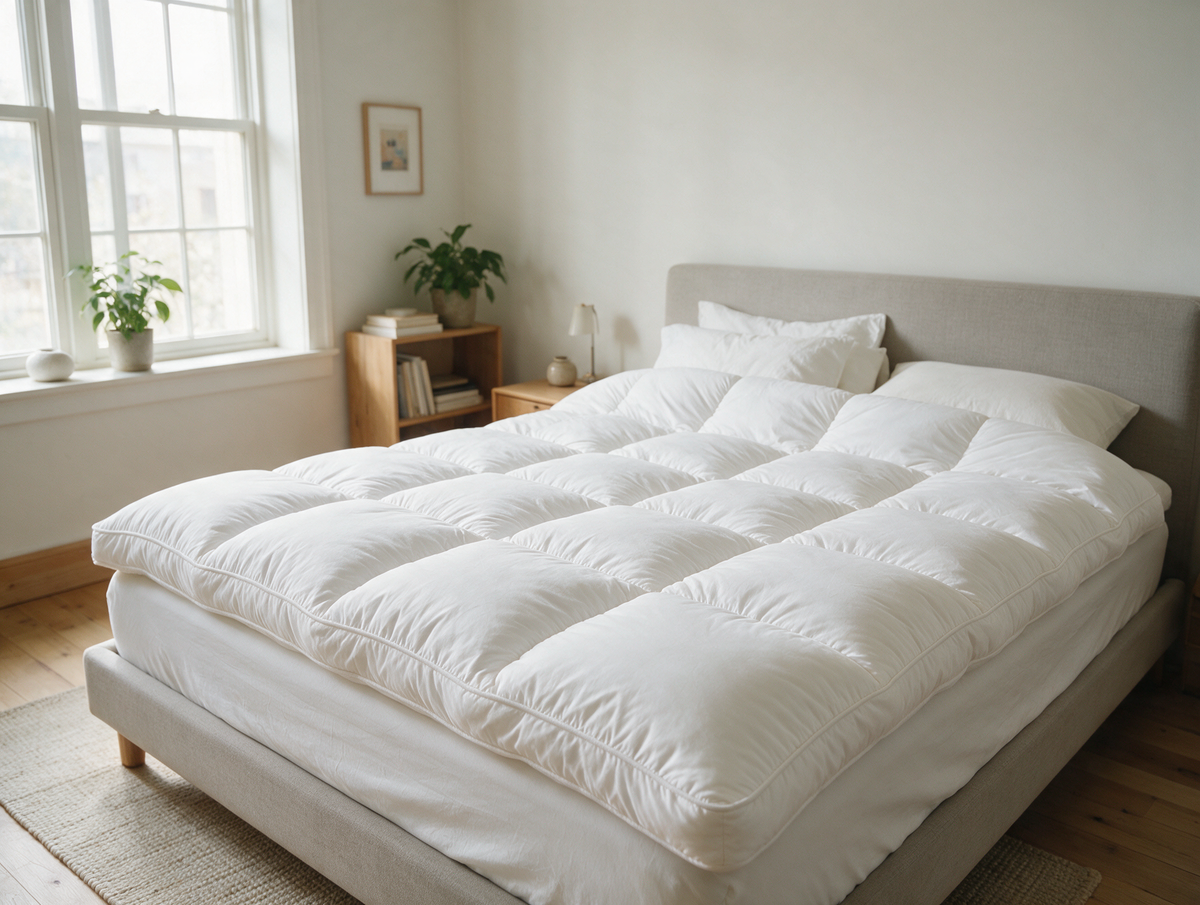
Mattress Topper - Do You Need One and How to Choose the Right Type?
A mattress topper is one of the simplest ways to change the feel of a bed without replacing the whole mattress. It sits on top of the mattress and adds an extra comfort layer, which can make the surface softer, firmer, cooler or more supportive, depending on the material. A good topper can improve sleep comfort, reduce pressure points and refresh an older mattress that is still in decent condition.
Read moreabout Mattress Topper - Do You Need One and How to Choose the Right Type?
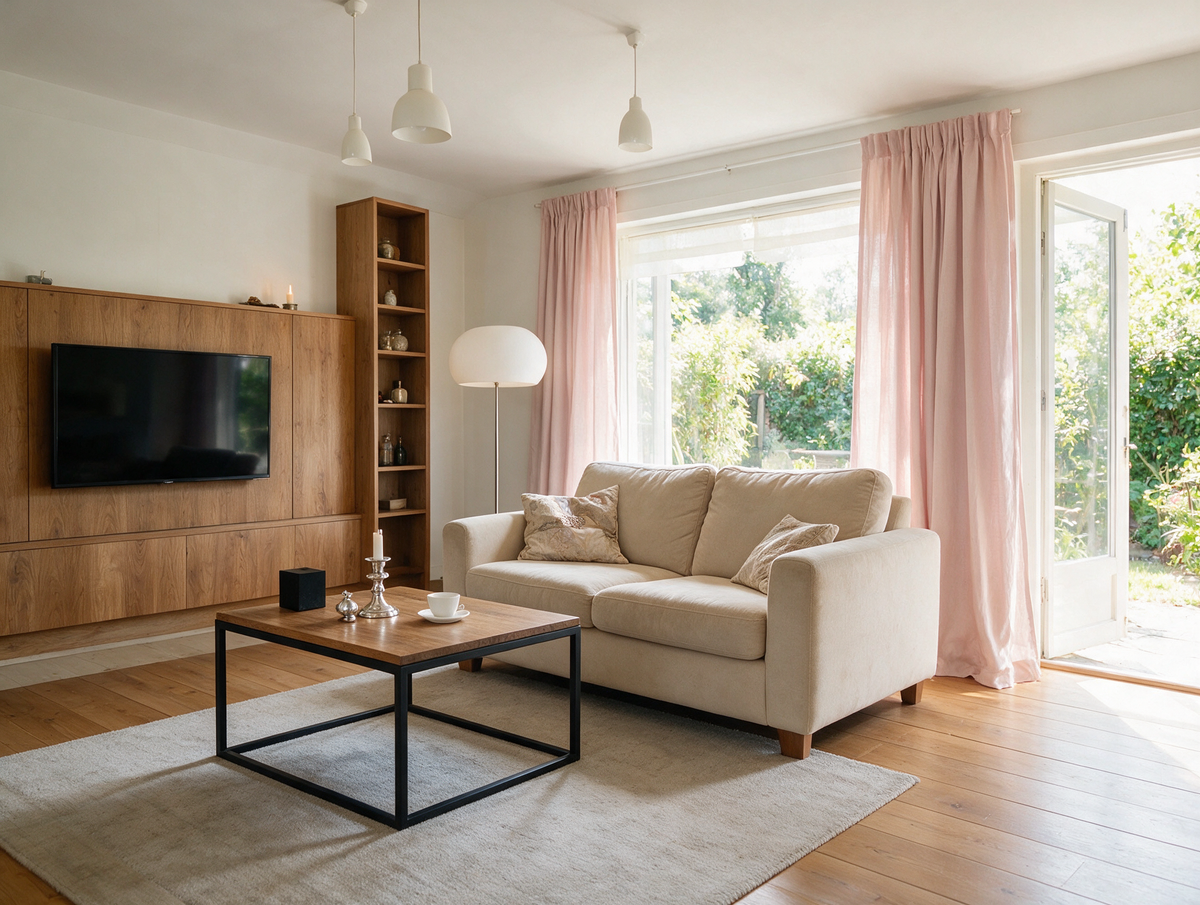
Loveseat - What Is It, Who Is It For and How to Choose the Right One?
A loveseat is one of those pieces of furniture that can completely change how a room works. It is smaller than a classic sofa, more generous than a single armchair and often easier to place in compact interiors. A loveseat can create a cosy sitting area in a small living room, soften a bedroom corner, complete a reading nook or work as an additional seat next to a larger sofa. Its strength lies in proportion: it gives you the feeling of a sofa without taking over the whole room.
Read moreabout Loveseat - What Is It, Who Is It For and How to Choose the Right One?
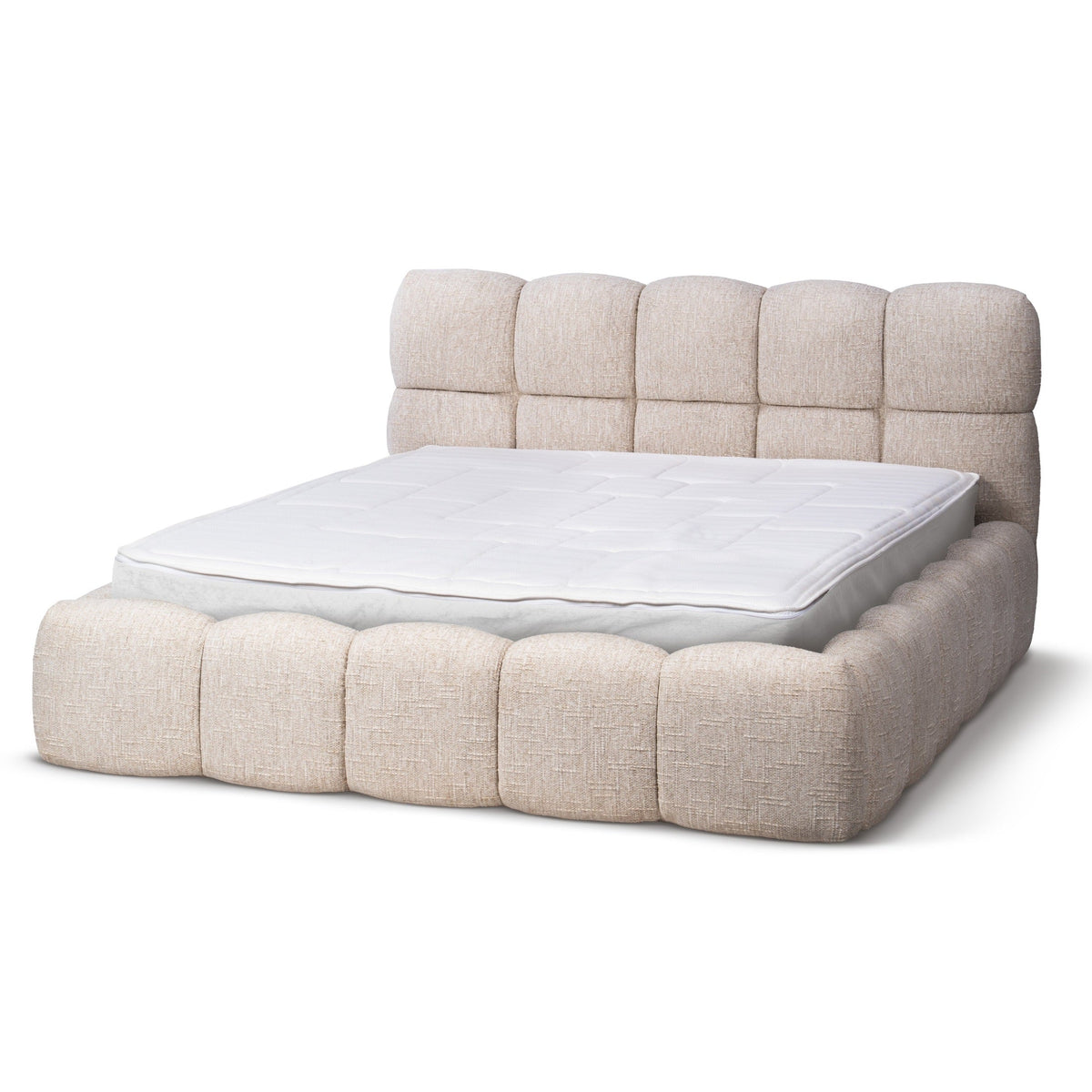
EU vs UK Bed Sizes – Will UK Bedding Fit a European Bed?
European beds are 200 cm long, UK beds 191 or 198 cm. A simple EU vs UK bed size table in cm – and what it means for your mattress and fitted sheets.
Read moreabout EU vs UK Bed Sizes – Will UK Bedding Fit a European Bed?



Share:
How to combine colors in interiors? Learn more about the color palette.
What can you use instead of tiles for your patio? Create your perfect patio for the season.