


- by Daniel Pawlik
Bedroom humidity – how high should it be and how do you regulate it properly?
- by Daniel Pawlik
Do you remember that feeling of returning to a freshly aired bedroom in the evening? The air smells clean, the bedding feels dry and inviting, and you immediately know: This is where you sleep well. This feeling has a lot to do with bedroom humidity – an invisible but crucial factor for sleep quality, health, and well-being.
Humidity refers to the proportion of water vapor in the room air, expressed as a percentage of relative humidity. In the bedroom, this value is particularly important, as we spend about a third of our lives there – breathing, sweating, dreaming. Too much humidity promotes mold and dust mites, while too little dries out mucous membranes and impairs sleep. Finding the right balance is not rocket science if you know what to look for.
The ideal humidity in the bedroom is between 40 and 60 percent relative humidity. In this range, the air feels neither dry nor oppressive, the respiratory tracts remain well moisturized, and mold has little chance to establish itself.

If the humidity in the bedroom falls below 40 percent – often in winter due to intense heating – you'll quickly notice it:
Dry, irritated mucous membranes in the nose and throat
Frequent awakening with thirst or a scratchy throat
Chapped skin and itchy eyes
Static electricity in bedding and clothes
Wooden furniture also contracts in overly dry air, can crack, and be damaged in the long term – another reason to keep an eye on the indoor climate.
If the bedroom humidity continuously exceeds 65 percent, it becomes critical:
Mold stains on walls, especially behind furniture and in corners
Dust mites multiply rapidly and burden allergy sufferers
Heavy, stuffy room feeling that disturbs sleep
Moisture settles in mattresses, pillows and textiles
The precise answer is: 40–60% relative humidity, with the value fluctuating slightly seasonally. In winter, when heaters dry out the air, the humidity can be a little closer to 50–55%. In summer, with warmer and naturally more humid air, 45–50% is sufficient.
How high can the humidity in the bedroom be before it becomes problematic? As a rule of thumb: Above 65% it becomes interesting for mold, below 35% it becomes uncomfortable for your respiratory tract. The exact value is easiest to measure with a hygrometer – a small device that you can get for 10–20 euros and that reliably shows you where you stand.
Tip: Do not place the hygrometer directly next to a window or heater – this falsifies the measurement.
Humidity in the bedroom rarely arises from a single factor. Most often, it is a combination of everyday habits and structural conditions.
Drying laundry in the bedroom: A common problem in city apartments without a basement. A single damp towel releases up to 0.5 liters of water into the room air – a clothes horse with a full load significantly more.
Incorrect or infrequent ventilation: If you only tilt the window briefly, you ventilate ineffectively. Poor air exchange allows moisture to accumulate.
Large number of plants: Houseplants release water into the air – individual plants are harmless, many together noticeably increase humidity.
Lack of insulation and thermal bridges: Cold exterior walls, behind which furniture stands, condense the humid room air – an optimal breeding ground for mold.
Breathing and sweating during sleep: A person releases around 0.5–1 liter of water per night through breath and skin. With two people and a poorly ventilated mattress, this adds up.
Imagine a small bedroom in an old Berlin apartment: Laundry dries overnight, the window remains closed, in the morning the windows are fogged up – classic over-humidification due to lack of air exchange.

Good news: Most causes can be remedied with simple, consistent measures. Lowering humidity in the bedroom often doesn't start with buying a device, but with a small routine.
Open both windows completely for 5–10 minutes after getting up in the morning – so-called shock ventilation. This effectively exchanges the humid room air without cooling down the walls. In winter, 5 minutes are enough, in summer a little longer.
Warm air absorbs more moisture and transports it outside during ventilation. Keep the bedroom at 16–18 °C during the day – cool enough for good sleep, warm enough to avoid condensation.
Move cabinets and beds at least 5–10 cm away from cold exterior walls. This allows air to circulate behind the furniture and prevents condensation. A bed frame with a slatted frame from pillovely.de allows air circulation under the mattress – important for its longevity and your sleep hygiene.
Breathable bedding and blankets made from natural materials like cotton or linen regulate moisture better than synthetic fibers. Discover suitable beds and breathable bedroom textiles at pillovely.de.
For continuously high bedroom humidity above 65%, a mobile dehumidifier is useful – especially in poorly ventilated rooms or after water damage. Price: from approx. 60–150 €.
Do not dry laundry in the bedroom. Bathrooms and bedrooms need consistently separate air zones. Two to three robust houseplants (aloe vera, sansevieria) are harmless; a green jungle noticeably increases humidity.

How high can the humidity in the bedroom be?
Optimal is 40–60%. Above 65%, mold growth is promoted, below 35% mucous membranes and sleep comfort suffer.
How do I measure the humidity in the bedroom?
With a hygrometer – available cheaply from about 10 €. Place it at head height, not next to a heater or window.
What to do about persistent humidity in the bedroom?
Look for the cause: incorrect ventilation, thermal bridges, drying laundry? Introduce shock ventilation, move furniture away from walls, if necessary use a dehumidifier and call a specialist for structural defects.
Does a mattress with a ventilation system help against humidity?
Yes. Mattresses with open cell foam or on a well-ventilated slatted frame promote air circulation and significantly reduce moisture build-up.
Take the first step today: Get a hygrometer, ventilate consistently tomorrow morning, and check if your furniture is close to cold exterior walls. Your bedroom will thank you. And if you want to equip your bedroom with a breathable bed or suitable textiles, discover the assortment at pillovely.de – for a home that truly feels like yours.
If you liked this text, be sure to check out our other inspirations:
Pocket Spring or Box Spring Sofa – which is better for comfort and durability?
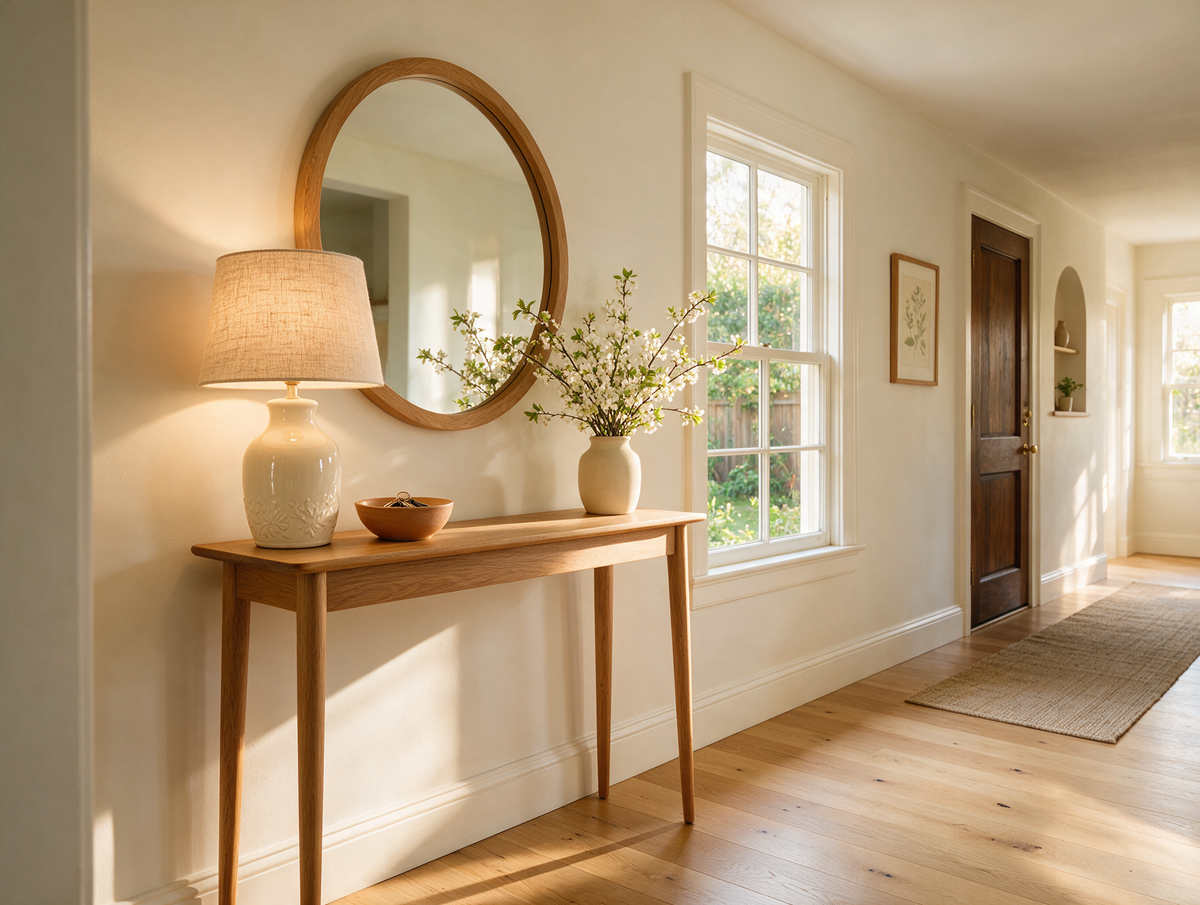
Console Table Ideas – Where to Use One and How to Style It
Do you remember coming home from school and dropping everything on the little table by the front door? Keys in the china dish, letters propped against the lamp, a vase of whatever was flowering in the garden and the old telephone with its curly cord. It was the first thing you saw when you walked in, and somehow it always said: you are home.
Read moreabout Console Table Ideas – Where to Use One and How to Style It
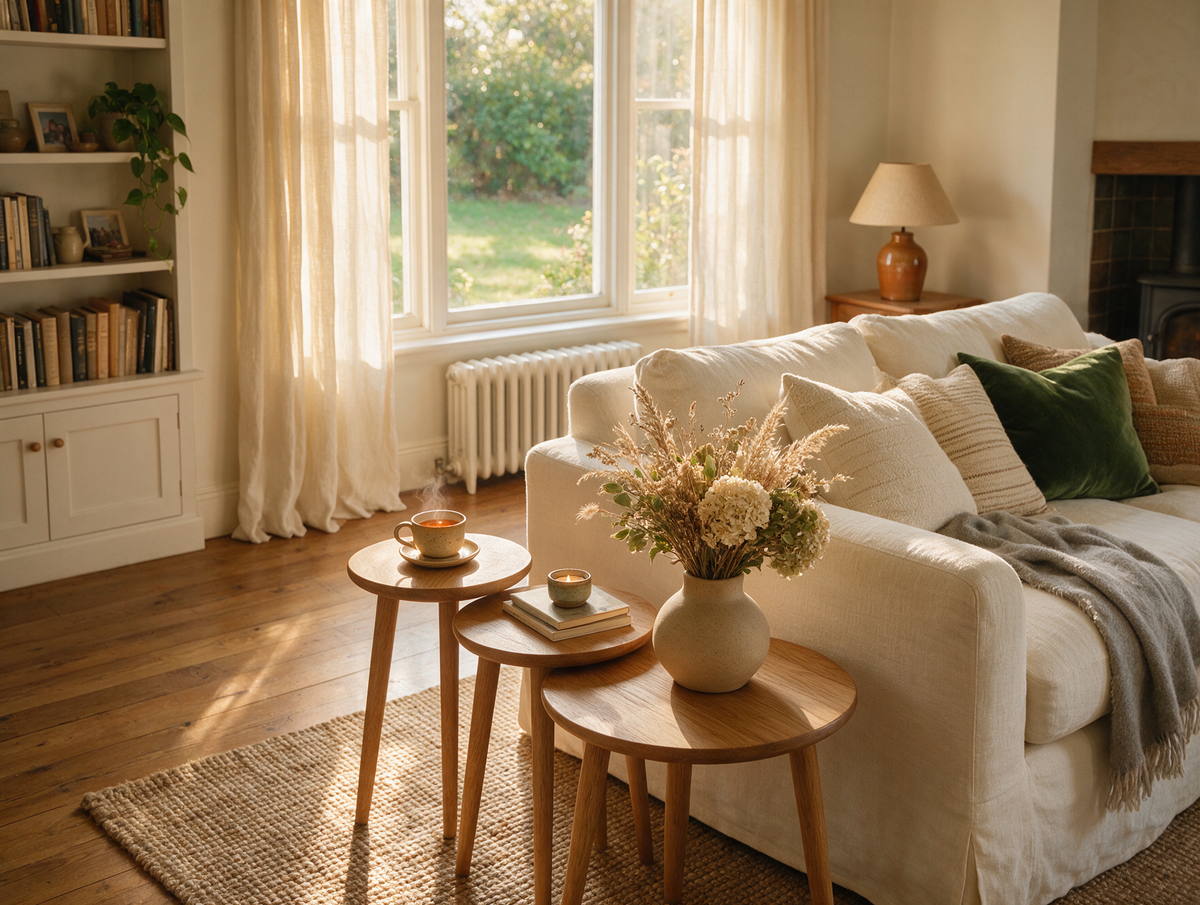
Nest of Tables – What Are They, Who Are They For and How to Style Them
Do you remember Sunday visits to your nan's, when the nest of tables came out from beside the armchair? Three little tables, each tucked neatly under the next, were pulled apart and handed round – one for the teapot, one for the biscuit tin and one for Grandad's crossword – and then slid back together the moment everyone went home.
Read moreabout Nest of Tables – What Are They, Who Are They For and How to Style Them
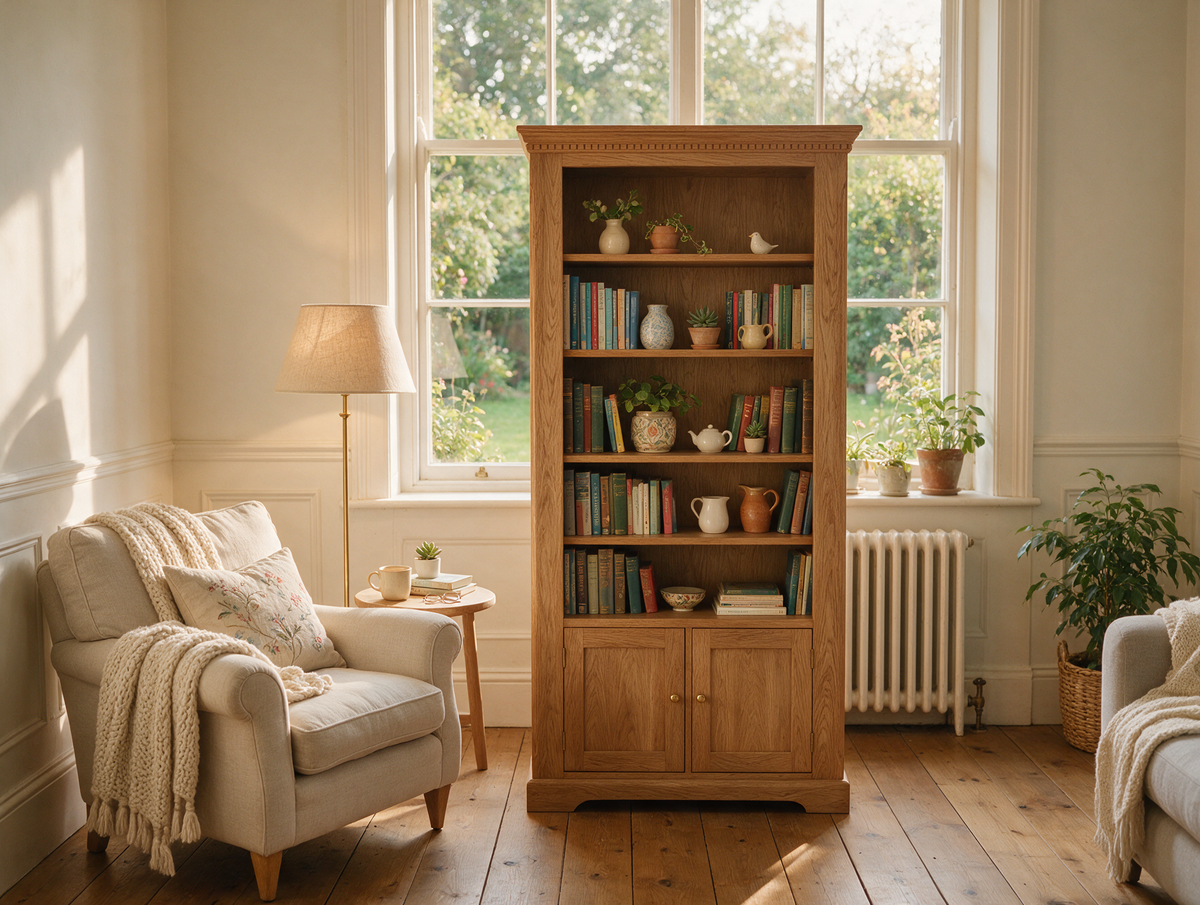
Bookcase Ideas – How to Choose and Style a Bookshelf for Your Living Room
Do you remember the bookcase in your grandparents' front room? Rows of faded paperbacks, a set of encyclopaedias nobody ever finished, holiday souvenirs, a framed school photo and that one heavy atlas you pulled out on rainy afternoons. It was never styled for anyone – and yet it told the whole story of the family.
Read moreabout Bookcase Ideas – How to Choose and Style a Bookshelf for Your Living Room



Share:
Spring or Boxspring Sofa – which is better for comfort and durability?
Sofa fabric – what materials are the best choice for comfort and durability?