


- by Daniel Pawlik
How to store blankets, pillows, and other small items without creating a mess
- by Daniel Pawlik
Do you remember those Saturday morning trips to Grandma's wardrobe in search of winter bedding? She would open the huge cupboard, and out would swirl neatly folded blankets in colourful patterns, lavender-scented cushions, snow-white sheets – everything perfectly organised. Everything had its place, its story, its season. Grandma knew exactly where everything was and never had to search.
Perhaps you also remember your mother picking up sofa cushions in the evening, folding the blanket after the film, and putting everything away in the chest of drawers so naturally that it seemed as if everything knew where it belonged. Or the Sunday cleaning sessions, where the whole house suddenly felt bigger, brighter, and cosier – not because anything had been added, but because everything had found its place.
Today, when you look at your living room with its many cushions, blankets draped over sofa arms, remote controls hidden between the cushions, and knick-knacks scattered everywhere, you wonder: Where has Grandma's organisational skill gone? Why do our homes sometimes feel like a battlefield in an age of thousands of life-planning apps and endless decluttering guides?
Love for the warmth of home It’s not just about the ability to create beautiful spaces, but also the wisdom of organisation that allows us to enjoy our home instead of fighting with clutter. It's the understanding that order is not about rigid rules, but a system that serves life and makes home a place of peace, not additional stress.
Each generation has its own philosophy when it comes to organising their home – and each tells a story about the time it originated. Your grandmother could remember the contents of every drawer in the house. She had her proven systems: bedding in a chest in the attic, clothes in a chest of drawers depending on the season, holiday dishes on the top shelf of the sideboard. This was no coincidence – it was wisdom born of necessity.
Back then, a home had clearly defined functions, and everything had its fixed place. No one thought about "decorative cushion collections" or "seasonal blankets." There was one blanket for winter, perhaps a lighter one for summer, one set of high-quality bedding and one for everyday use. Today, this sounds restrictive, but it had its own magic – a simplicity that made order as natural as breathing.
Your parents were pioneers of home diversity. They were the first to buy cushions not only for sleeping, but also for aesthetic reasons. In their time, blankets appeared, not only for warmth, but also as decoration. With the first style experiments came the first challenges: Where to put these beautiful but unused accessories?
Our generation has inherited this diversity and extended it to absurdity. We have blankets for every mood, cushions for every season, souvenirs from every trip. It's wonderful that we can express ourselves through objects, but sometimes we feel like curators of a museum full of things we love, but don't know where to put them.
Before we begin to organise our space, it's important to understand why clutter arises in the first place. It's not due to laziness or lack of character – it's a complex psychological process with deep-seated causes.
Decision fatigue is a real problem of modern times. When we come home after a day full of professional decisions, the last thing we have energy for is deciding where to put the cushion or blanket. It's easier to throw it on the nearest surface and deal with it "later."
Emotional attachments to things make it difficult to let them go, but also to find the right place for them. The cushion from our first shared apartment, Grandma's blanket, the small items from important moments – everything has sentimental value, but not always practical.
The fear of making a wrong decision paralyses. Where should this figure go? Which shelf should the photo album be on? What if I make a mistake and regret it? Sometimes it's easier to make no decision at all than to risk making a wrong one.
The "might be useful" syndrome leads us to hoard things "just in case," but we have no system to organise them. These cushions might be useful for a party, this blanket might be needed for a picnic, these small items might fit into a new arrangement someday.
Understanding these mechanisms is the first step towards creating a system that works and doesn't fight against our psyche.

A good storage system is not based on rigid rules, but on a flexible philosophy that adapts to your lifestyle. You decide on the personalisation yourself – and this also includes space organisation.
The principle of accessibility – things you use daily should be as easily accessible as possible. The blanket you snuggle up with on the sofa in the evening should be within reach. Decorative cushions that you change seasonally can be stored further away.
The principle of visibility : What is not visible does not exist. Things stored in plastic bags at the bottom of the wardrobe are quickly forgotten. Better less, but visible and accessible things.
The principle of categorisation is to store similar items together. All blankets in one place, all cushions in another, all candles in a third. This makes sorting and finding easier.
The principle of seasonality – summer items should be available in summer, winter items in winter. However, the system must allow for an easy transition between seasons.
The principle of beauty – the storage system itself should be pleasing to the eye. Beautiful boxes, attractive baskets and aesthetically pleasing solutions make maintaining order a pleasure, not a chore.
In a studio apartment or a small flat, every inch of storage space is valuable. Multifunctionality and the thoughtful use of hidden spaces are crucial.
Sofas with storage space are the perfect solution. The Pillovely sofa collection offers not only seating and sleeping areas, but also hidden compartments for extra blankets, cushions or bedding. It's like a magic box – elegant on the outside, practical on the inside.
The space under the bed is often an unused treasure. Flat boxes or special containers provide space for seasonal blankets, extra cushions and bedding for guests. It is important that they are airtight and easy to pull out.
In small spaces, height is your ally. Shelves up to the ceiling provide space for items that are only used occasionally. Tall wardrobes, floor-to-ceiling shelves – every vertical inch saves horizontal space.
In a household with children, storage systems must not only be functional, but also intuitive for everyone to use. Children should be able to find and put away items independently.
Colour coding helps even the youngest to know where everything belongs. Blankets in blue baskets, cushions in pink and knick-knacks in yellow. A simple system that works without instructions.
Availability on different levels – children's items on the highest level, adult items on a higher level and seasonal items on the lowest. Everyone has access to what they need, but not to what they shouldn't touch.
Damage-resistant solutions – if children are in the house, the system must withstand accidental bumps, spills and tears. Plastic containers, durable fabrics and easy-to-clean surfaces.
Those who live alone can afford more sophisticated solutions, but still need to maintain order. The system should be beautiful, but also as simple as possible.
Thoughtful minimalism – rather less, but high-quality and well-organised things. Beautiful baskets and boxes harmonise with the natural shapes of the sofas from our collection.
One-person systems – everything is tailored to your needs, your habits and your rhythm of life. You can have a blanket on the sofa, because no one will complain about the mess. You can keep books on the coffee table, because there is no danger of your child destroying them.
In places where you live temporarily, the storage system must be mobile and easy to move.
Portable solutions – baskets, boxes and containers that can be easily taken with you when moving. Abandoning permanently installed systems in favour of flexible solutions.
Universal containers – those that work well in any new space, regardless of its layout or size.

Blankets are one of the most difficult categories to store, as they are large, often irregularly shaped, and everyone has different accessibility requirements.
Hierarchy of accessibility : Everyday blankets should have their fixed place on the sofa or in a nearby basket. Seasonal blankets can be stored folded in drawers or on shelves. Holiday or occasional blankets should be stored deep in the wardrobe.
Folding methods : Traditional folding in the middle can crease the fabric. Rolling is better as it preserves the structure of the fabric and allows for compact storage.
Moth protection : Natural fibre blankets require special protection. Vacuum bags, moth repellents and regular airing.
Seasonal rotation : The system should allow for easy exchange of summer blankets for winter blankets. Labelled containers, clear compartmentalisation and a rotation calendar.
Decorative cushions are a real organisational challenge – they come in different sizes, shapes and colours, and their use often depends on mood, season or occasion.
Everyday cushions should have their fixed place on the sofa or bed. A well-chosen sofa can be a beautiful background for carefully selected cushions that accentuate its character.
Seasonal cushions can be stored in boxes or baskets, separated by colour or season. Spring cushions in one container, summer cushions in another, and autumn cushions in a third.
Cushions for occasional use – the most expensive, delicate or least used cushions can be protected in individual covers or boxes.
Small things are the true test of any organisation system. Candles, picture frames, figures, books, magazines, remote controls, chargers – a thousand small things that can make a home cosy or chaotic.
The one-place rule – every small thing should have its own designated place. Remote controls have their basket, candles have their shelf, frames have their shelf.
Trays and shelves as space organisers – on a coffee table, a chest of drawers or a windowsill. They limit the space for small items and help maintain order.
Drawer systems with compartments allow for the categorisation of even the smallest items. One compartment is for batteries, another for chargers, and a third for keys.
Household rules – every item should have a home, a place it always returns to. Not a cupboard, but a home.

One of Grandma's biggest tidying secrets was seasonal change. Winter items were displayed in winter, summer items put away. In spring, a thorough clean-up and swapping of places was essential. This is not only practical, but also psychologically significant – it conveys a feeling of freshness, change and renewal.
A rotation schedule – ideally linked to seasonal changes or important holidays. It doesn't have to be rigid, but it should be regular.
Labelling system – boxes, baskets or bags with clear labels. "Winter 2024", "Summer", "Holidays", "Guests". After a year, you'll know exactly where to look.
An opportunity for review – each change is a moment of evaluation: Was this item used? Do I still like it? Does it still fit my lifestyle?
System flexibility – the weather can be unpredictable. The system should allow you to quickly pull out a warm blanket on a cool July evening.
Sometimes conventional storage methods don't suit our individual space or lifestyle. Then it's time to get creative.
Non-obvious places : the space under the stairs, the high space above the door, the space behind the sofa hidden away from the wall. Every home has its hidden spatial treasures.
Multifunctional furniture : an ottoman that doubles as a seat and storage, a table with drawers, and a bed with storage. The Cordia sofa is a perfect example of this approach – an elegant piece of furniture that conceals practical solutions.
Decorative storage : baskets that are part of the arrangement, boxes that look like works of art, systems that are beautiful in themselves.
Mobile systems : shelves on wheels, baskets with handles, containers that can be easily moved from one place to another as needed.

Creating a system is half the battle. The other half is maintaining it. And this is where the psychology of habit and motivation is crucial.
As a rule of thumb: better to clean a little every day than to do a big clean-up once a month. Five minutes in the evening to tidy up is less stressful than hours of cleaning on the weekend.
Positive associations – cleaning should be enjoyable. Favorite music, beautiful containers, the joy of a beautifully organized space. Loving the warmth of your home also means loving the processes that create that warmth.
System flexibility – if the system is too rigid, it will be sabotaged. It must allow for temporary deviations, for weaker days, for times of greater chaos.
Reward yourself for tidiness. This could be the pleasure of a beautiful space, perhaps extra time to relax, or a small treat for five days of perfect order.
Perfectionism is the greatest enemy of a good organizing system. You don't need to organize things perfectly by color, size, and alphabet. You need a system that works for you.
Buying organizers without a plan – first understand your needs, then buy solutions. Not the other way around.
Ignoring household habits – if your partner always throws their keys on the table next to the door, don't fight it. Put a nice key tray there.
Storing items that are not used – if a blanket has been in the closet unused for a year, it might be time to say goodbye to it.
Too many categories – five large categories are better than twenty small ones. The more subdivisions, the greater the likelihood of error.

The truth is: the best organizing system is the one you actually live with every day. Not the one in pretty magazine pictures, not the one you admired at a friend's house, but the one that fits your rhythm, your habits, your way of life.
Loving the warmth of your own home has less to do with perfectly organized drawers or color-coded containers. Rather, it's about not having to search for a blanket for half an hour when you want to curl up with a TV show. It's about quickly preparing a cozy spot for guests when they arrive. It's about your home bringing you joy, not extra stress.
There is no single best method for organizing your home. Perhaps you are someone who likes to put everything away and out of sight – perfect! Perhaps you prefer open shelves where you can see your treasures – also great! Perhaps you are a minimalist with three things on a coffee table, or a collector surrounded by beloved trinkets. All these methods can work if they are well thought out and suit you.
The most important thing is: you live in a home, not a store. All these things – blankets, pillows, pictures, candles – serve your life, your needs, and your happiness. A home is not a display case of perfectly organized items, but the place where your real life unfolds. And this life should dictate how you organize it, not the other way around.
Pillovely – where everything has its place, every place has its story, and order doesn't mean perfection, but careful care of the space that serves your happiness.
See also:
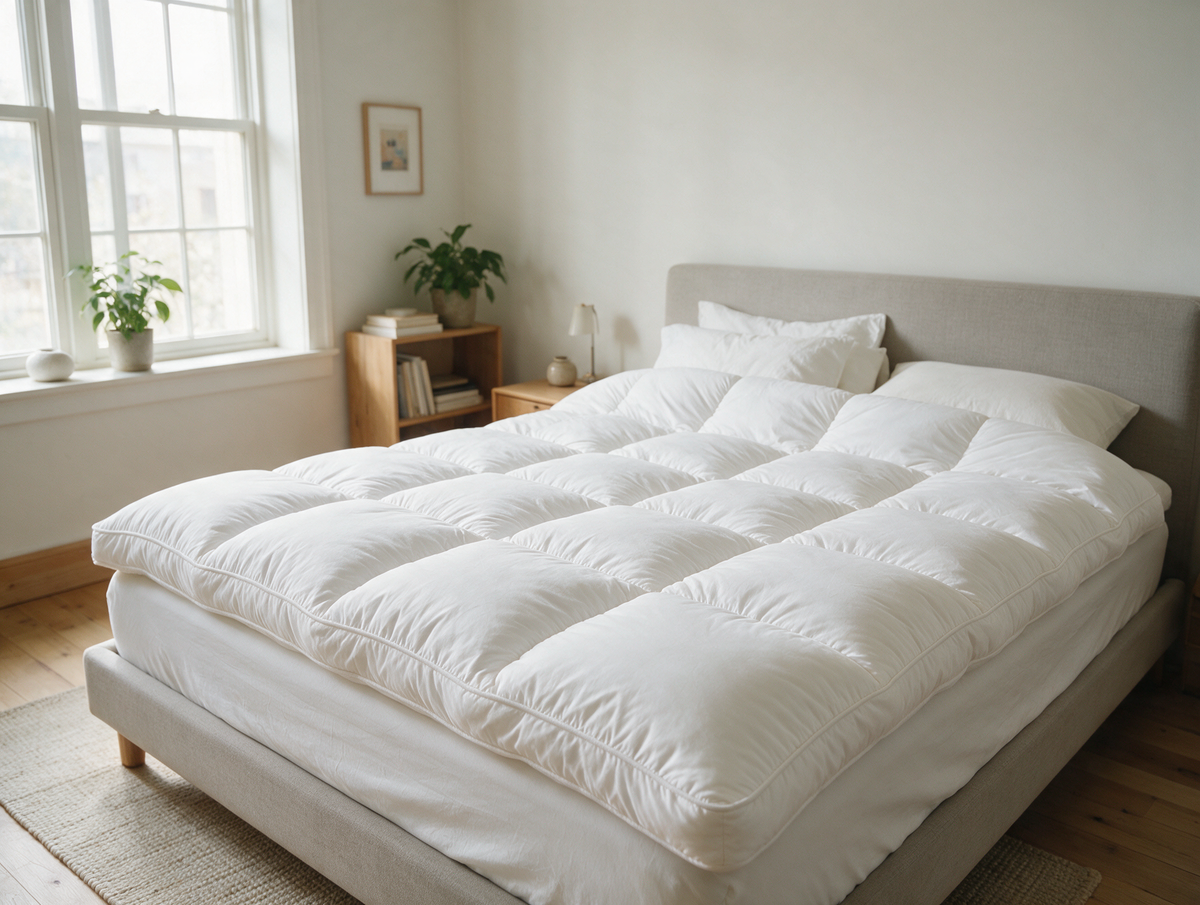
Mattress Topper - Do You Need One and How to Choose the Right Type?
A mattress topper is one of the simplest ways to change the feel of a bed without replacing the whole mattress. It sits on top of the mattress and adds an extra comfort layer, which can make the surface softer, firmer, cooler or more supportive, depending on the material. A good topper can improve sleep comfort, reduce pressure points and refresh an older mattress that is still in decent condition.
Read moreabout Mattress Topper - Do You Need One and How to Choose the Right Type?
Loveseat - What Is It, Who Is It For and How to Choose the Right One?
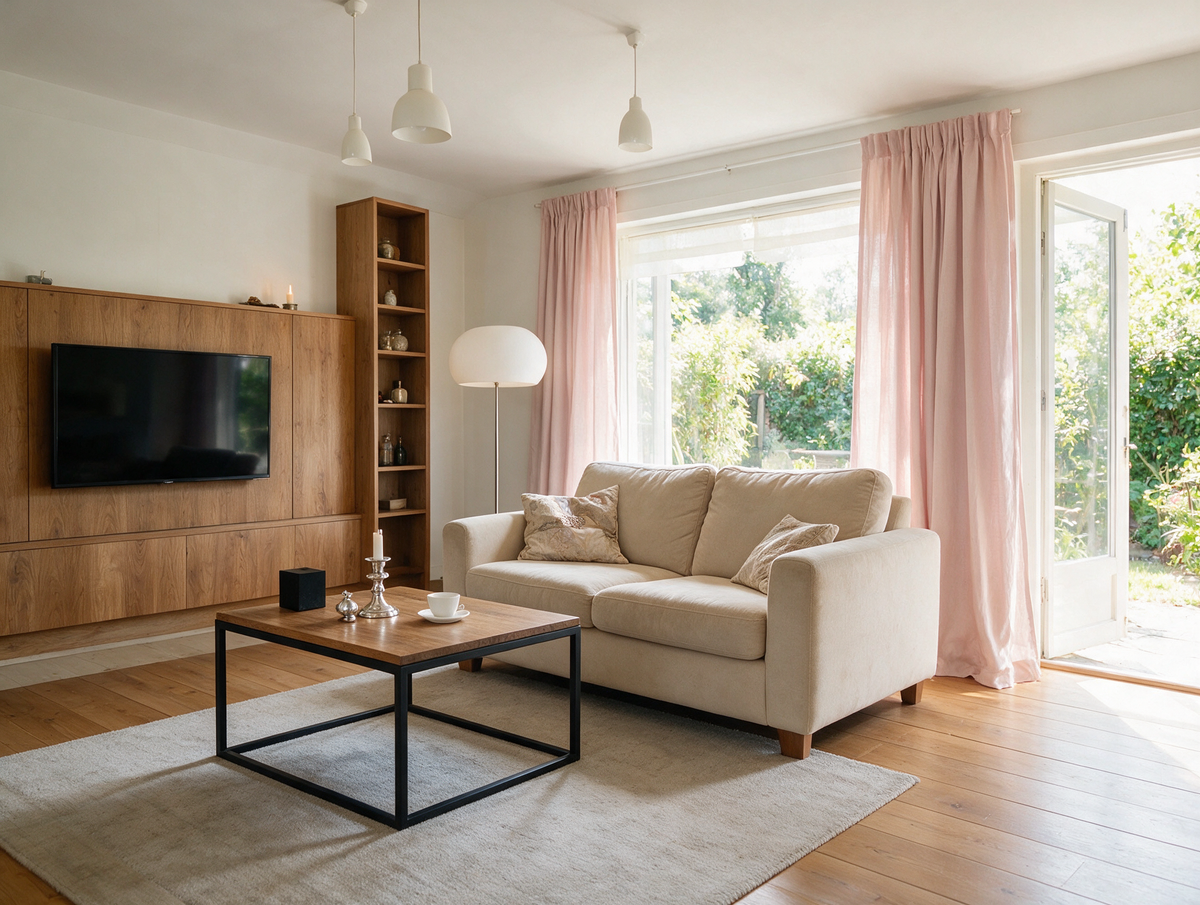
A loveseat is one of those pieces of furniture that can completely change how a room works. It is smaller than a classic sofa, more generous than a single armchair and often easier to place in compact interiors. A loveseat can create a cosy sitting area in a small living room, soften a bedroom corner, complete a reading nook or work as an additional seat next to a larger sofa. Its strength lies in proportion: it gives you the feeling of a sofa without taking over the whole room.
Read moreabout Loveseat - What Is It, Who Is It For and How to Choose the Right One?
EU vs UK Bed Sizes – Will UK Bedding Fit a European Bed?
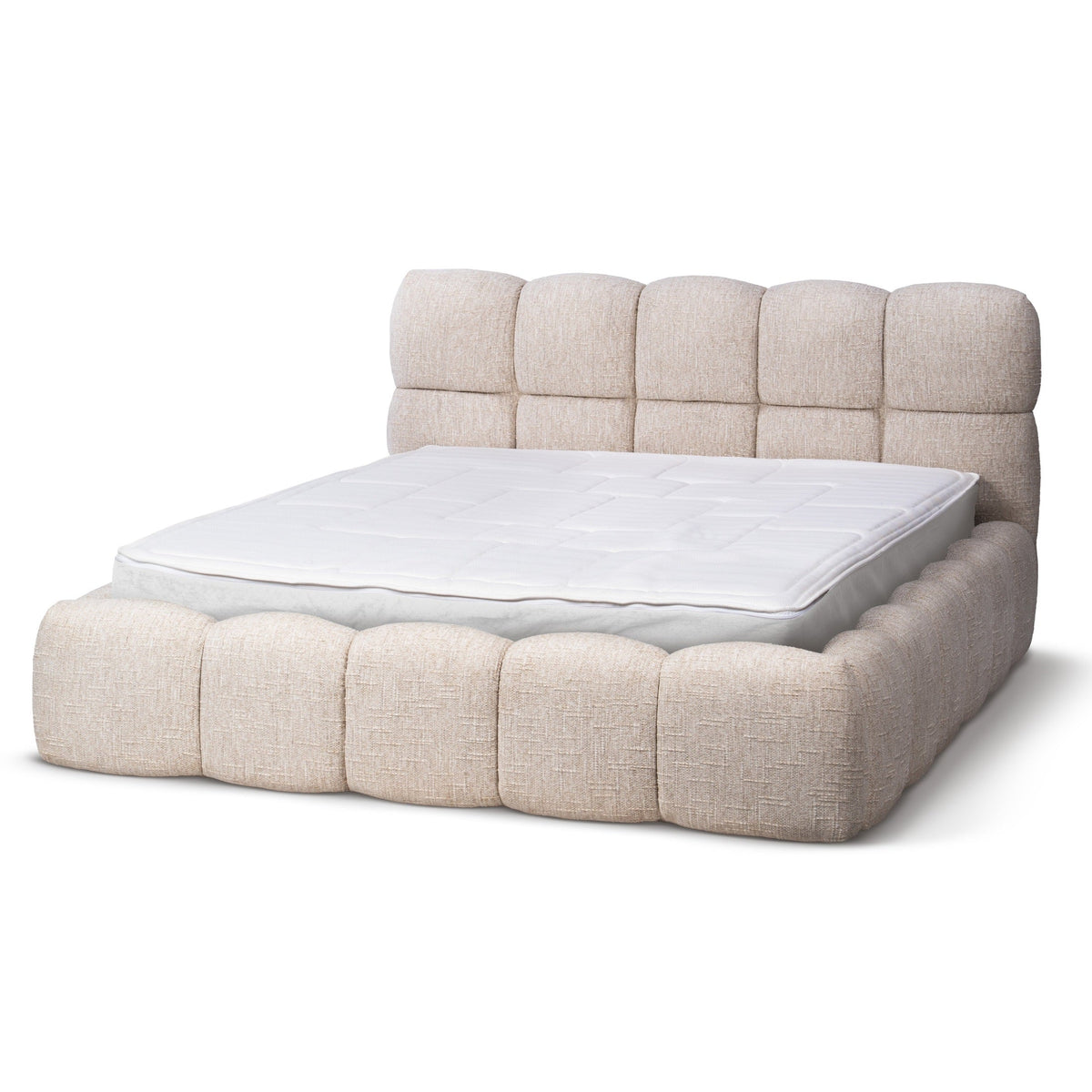
European beds are 200 cm long, UK beds 191 or 198 cm. A simple EU vs UK bed size table in cm – and what it means for your mattress and fitted sheets.
Read moreabout EU vs UK Bed Sizes – Will UK Bedding Fit a European Bed?



Share:
Soft fabrics and cozy textures – a trend that will conquer autumn
Autumn Colours Indoors – A Colour Palette Inspired by Nature