


- by Damian Jerzy Zadora
What's the difference between a sofa and a couch? A little-known history
- by Damian Jerzy Zadora
Do you remember that moment in your childhood when you came home from school and threw your backpack on the sofa in the living room? Or maybe it was a "couch"? For most of us, these words were intertwined – what mattered was that this place meant home, safety, and a moment of rest. Today, when designing our own interiors, it's worth learning the history of these names and discovering how the choice between a sofa and a couch can say a lot about ourselves.
The history of our beloved seating furniture is a fascinating story of the intermingling and evolution of different cultures. The word "sofa" – a word that sounds so familiar – comes from the Turkish " kanepe " and originally referred to a low bench covered with carpets and cushions. This name came to us from the East, along with an oriental philosophy of relaxation.
The couch has an equally interesting origin. It comes from the Arabic " suffah " – a carpeted platform where friends spent time. It is no coincidence that both terms have oriental roots. This shows how important the concept of cozy, shared relaxation was for the cultures that gave us these names.
These stories remind us that furniture has never been just objects – they were a place where life stories unfolded, where communities were created, and where each generation passed on its traditions to the next.

In practice, the differences between a sofa and a couch often lie in structural and stylistic details. A sofa is typically a more formal piece of furniture, often with a higher backrest, armrests, and a structure that emphasizes elegance. It is the choice of people who appreciate classic style with a touch of modernity.
A couch gives a sense of freedom – it can be lower, more spacious, inviting you to stretch out with a book or enjoy your favorite series. It is a piece of furniture for those who value comfort and informality.
However, in a Polish home, these boundaries often blur. What matters is whether a piece of furniture tells our story, suits our rhythm of life, and allows us to be ourselves.

Think back to your favorite movies and TV shows. "Friends" with its iconic orange couch in Central Perk? "The Big Bang Theory" with its iconic Leonard-and-Sheldon sofa ? Or perhaps you remember the days when talk shows were the gold standard, and stars sat on elegant studio couches ?
Each of these scenes shaped our imagination of what the ideal place to relax should look like. Music also played a role – how many times have we heard songs about the "couch" where you spend evenings with your loved one, or about the "sofa" where important conversations took place?
These pop culture references are not just nostalgia – they are a compass that helps us understand what place our furniture should occupy in our life story.
You are someone. You are valuable. And your choice between a sofa and a couch should reflect that. Perhaps you remember your student days, sitting on a sprawling couch in a rented apartment, watching cult movies with friends until dawn? Or do you associate it more with elegant evenings where your parents entertained guests on a stylish sofa ?
Personalization is not just about color or material – it's about choosing the story you want your interior to tell. Should it be a story of freedom and unbridled creativity, or a story of refined elegance with respect for tradition?
Our work tells the story of different people from different eras and generations – learn from them. Each piece of furniture we create in our atelier carries a piece of this knowledge, this experience of generations who knew that a home is more than just four walls.

Ultimately, the difference between a sofa and a couch is not just a matter of terminology or design. It's about a difference in our approach to life, in the way we want to relax, entertain guests, and create memories.
At Pillovely, we believe that every piece of furniture should reflect this unique blend of nostalgia and modernity that makes us feel at home. Whether you call it a sofa or a couch, the important thing is that this place becomes part of your personal story.
Our love for the warmth of home is not just our motto – it's our promise to help you create an interior that will tell your story for many years to come. Because in the end, the memories created there are the most important, regardless of whether it's a sofa or a couch.
See also:
What Size Bed Fits Your Bedroom? A Room Size Chart
Do you remember rearranging your childhood bedroom furniture every few months, convinced that if the bed just went against the other wall, the whole room would finally feel right?
Read moreabout What Size Bed Fits Your Bedroom? A Room Size Chart
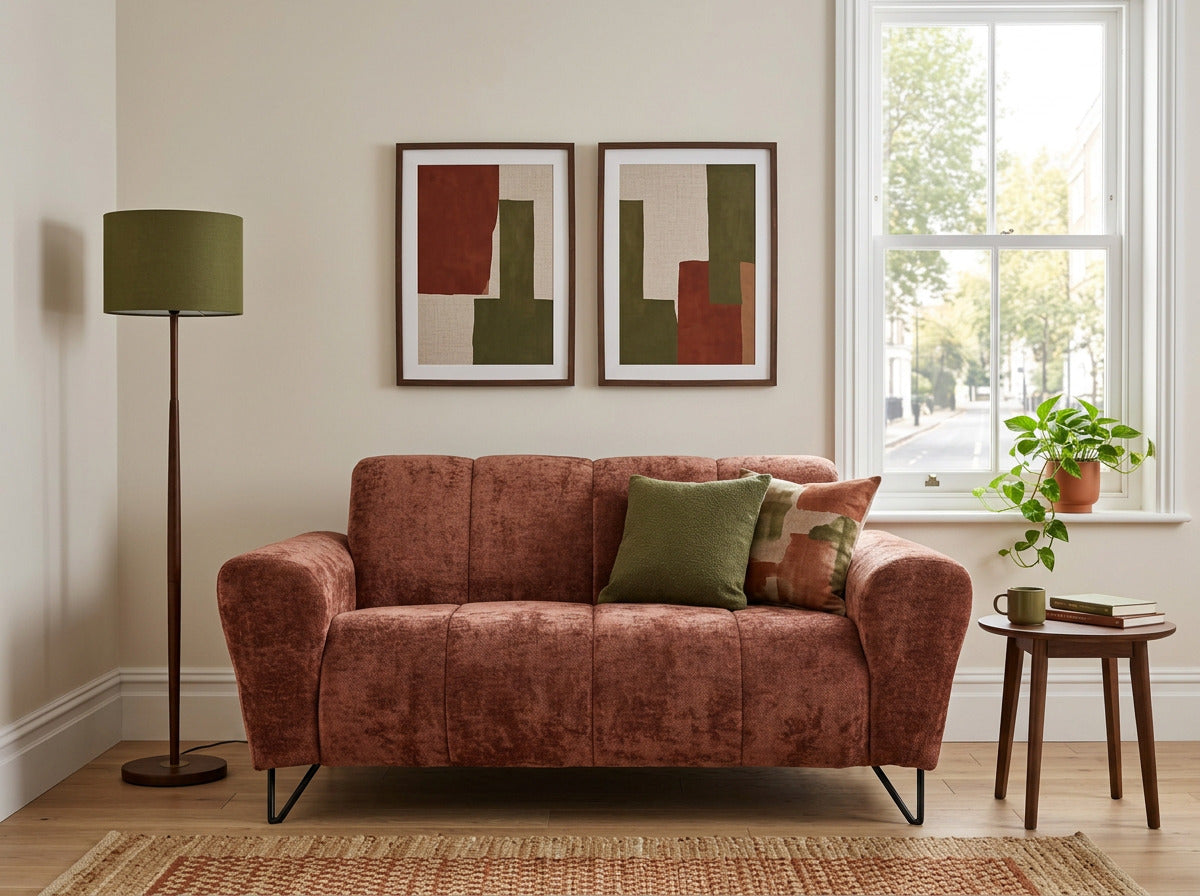
What sofa is best for a small living room? Compact models that fit
Read moreabout What sofa is best for a small living room? Compact models that fit
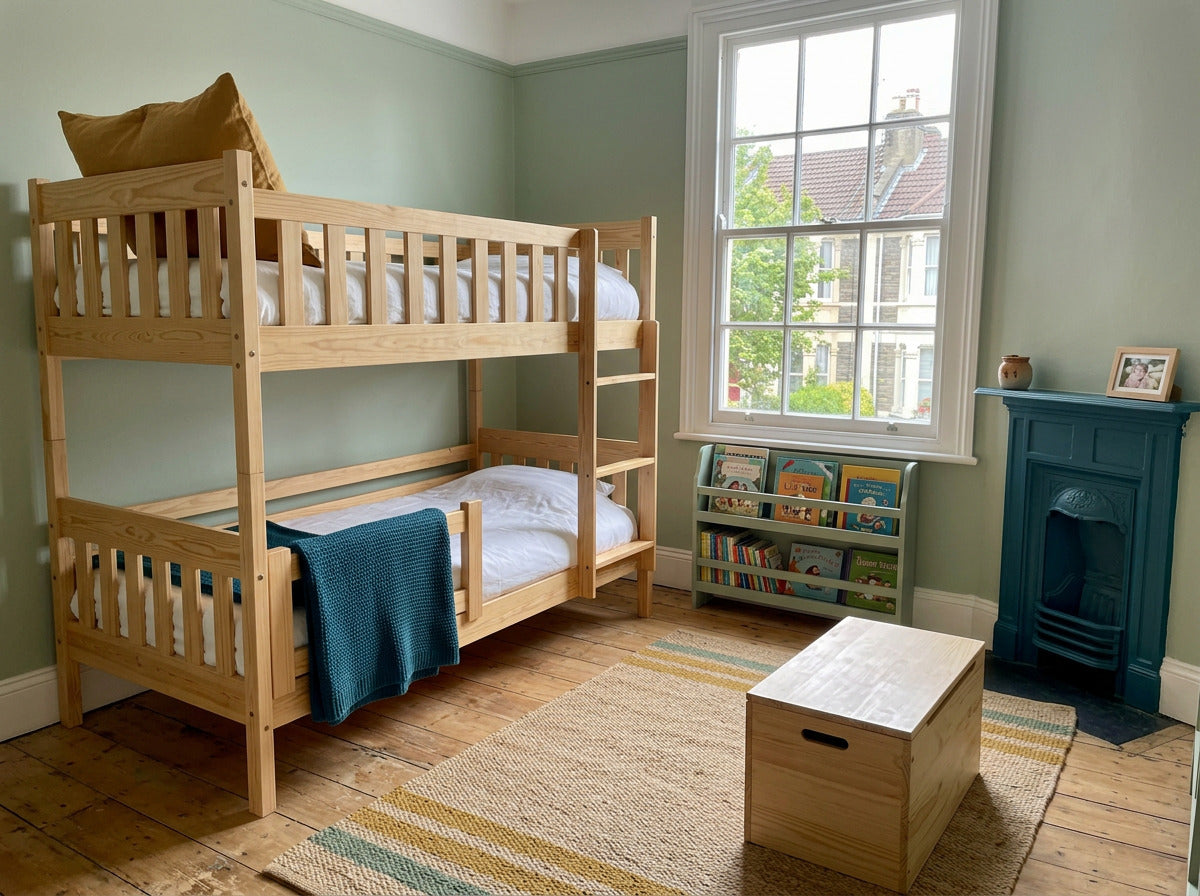
Bunk Beds for Kids – Age, Weight Limits and Safety Explained
A bunk bed is a great way to save space in a room shared by siblings, but it comes with a few safety rules – the child's age, the weight limit, and properly designed guardrails. Here's the age it's recommended from, and how much weight the top and bottom bunks are built to hold.
Read moreabout Bunk Beds for Kids – Age, Weight Limits and Safety Explained


Share:
Galicjanka Cup 2025 - Sport, Excitement, and Relaxation with Pillovely
How to keep your interiors looking fresh and cozy