


- by Daniel Pawlik
Bedroom Rug Ideas – Rug Size and Placement Around the Bed
- by Daniel Pawlik
In the bedroom, it is not only a comfortable bed and the right mattress that matter. Accessories shape the character of the room too — and a rug is one of the most important. It warms up the scheme, softens sound and makes your first steps in the morning far more pleasant. Choosing the right one is not always easy, though. Which rug should you choose for a bedroom? What size, should it go under the bed or beside it, and which pile works best? Here is how to match a rug to your bedroom, bed and style.
Rug size should be matched to the size of the bed and the space available. A rug that is too small can look random and fail to do its job, while one that is too large can overwhelm a small bedroom. Measure both the bed and the space around it before you buy.
As a rough guide:
In a large bedroom, a big rug under the bed that extends beyond it on several sides looks stunning. This creates a coherent composition and visually connects the bed with the rest of the furniture. The rug can also cover the area by the bedside tables, so the whole bed zone looks more harmonious.
In a smaller room you do not have to give up a rug. A smaller rug at the foot of the bed or two narrow runners on either side is a good solution — it keeps more floor visible and does not make the room look smaller.
Keep proportions in mind. With a large bed, a rug that is too small looks lost; in a small bedroom a huge rug can dominate. If you are designing the bedroom from scratch, decide on the bed size first and choose the rug afterwards — see our guide to UK bed sizes.
Also think about the distance between the rug and other furniture. If you have a chest of drawers, armchair or dressing table, make sure the rug does not create random divisions — it should organise the space and emphasise the sleeping zone.

One of the most common dilemmas is whether to put the rug under the bed or in front of it. Both can look great, but they suit slightly different situations.
A rug under the bed is more decorative and creates a clear resting zone. It works best in larger bedrooms with enough space for the rug to spread out. The bed becomes the centrepiece, and the rug gives it a soft visual frame.
If space is limited, a rug beside the bed may be more practical — at the foot of the bed or as two smaller runners on each side. This is also a good option if you do not want to move a heavy bed when laying or changing the rug.
Two runners on either side work especially well in bedrooms for two. Each person gets their own soft surface, and the layout stays symmetrical. Choose rugs of the same size, shape and pattern so it all looks coherent.
In a large bedroom, one bigger rug covering most of the bed zone gives a more elegant effect and suits spacious interiors.
Think about everyday use too. The rug should be where it is really useful — especially where your feet land when you get out of bed. That way it is not just decoration, but a practical part of the room.
Soft rugs are especially good in bedrooms — pleasant to use and cosy. Match the pile to your preferences and how you use the room.
Shaggy rugs, with longer, fluffy pile, create a soft, cosy effect. They are perfect if you want a calm, homely atmosphere, and their texture makes an interesting contrast with simple, minimalist furniture.
Short-pile rugs are more subtle and suit modern, minimalist schemes. They are also easier to keep looking neat — a good choice if you do not want the rug to dominate.
Woven rugs are another interesting option. Their texture adds a natural feel and goes well with wood, neutral colours and nature-inspired materials — a great fit for Scandinavian, Japandi or boho bedrooms.
Consider not only pile length but also structure and ease of care. A bedroom should be easy to keep tidy, so think about how much time you want to spend cleaning the rug.
The backing matters too. The rug should sit firmly on the floor and not slide when you walk — especially important by the bed, where you put your feet down straight after waking up. A non-slip underlay helps.
Rug colour can completely change how a bedroom feels. It does not have to match the walls or bed — a much more interesting effect comes from harmony or subtle contrast.
In a light bedroom, beige, cream, off-white and light grey rugs emphasise lightness without competing with the rest of the scheme. If the room is very neutral, choose a rug with a subtle pattern or stronger texture.
In a darker bedroom, a light rug can brighten the space and create an interesting contrast. For a more elegant effect, choose deeper greys, charcoal, navy or green. Make sure the colour works with the bed, curtains, bedding and furniture.
Match the pattern to the character of the room. If the bedroom is full of decorative elements, a simple, plain rug may be better; in a minimalist interior a patterned rug can be a subtle accent.
A good way to create a coherent look is to repeat one of the rug's colours in other accessories — a cushion, throw, curtains or a small decoration. That way the rug becomes part of a considered composition.
Still unsure which rug to choose? Start with a few simple steps. First, measure the bed and the space around it. Then decide whether the rug should go under the whole bed, under the lower part or beside it. Next, choose the pile to suit the softness and ease of care you want.
Finally, choose the colour and pattern. If your room is already furnished, treat the rug as something that completes it. If you are just starting, the rug can be one of the starting points for the whole scheme.
Remember that the rug should work with the most important piece in the room — the bed. An upholstered bed makes an elegant base for a soft, fluffy rug, while a simple wooden bed goes well with naturally textured rugs.

The right rug makes a bedroom cosier, more coherent and more comfortable. You do not need the biggest rug available or the latest trend — what matters is matching it to the room, the bed and your style.
For an elegant, harmonious look, start with proportions. If comfort comes first, focus on softness and pile. And if you want to organise the space visually, choose a rug that frames the bed zone.
A rug does not have to be the star of the bedroom. Sometimes it is enough for it to be the detail that makes you feel, the moment you walk in: this is a place to rest.
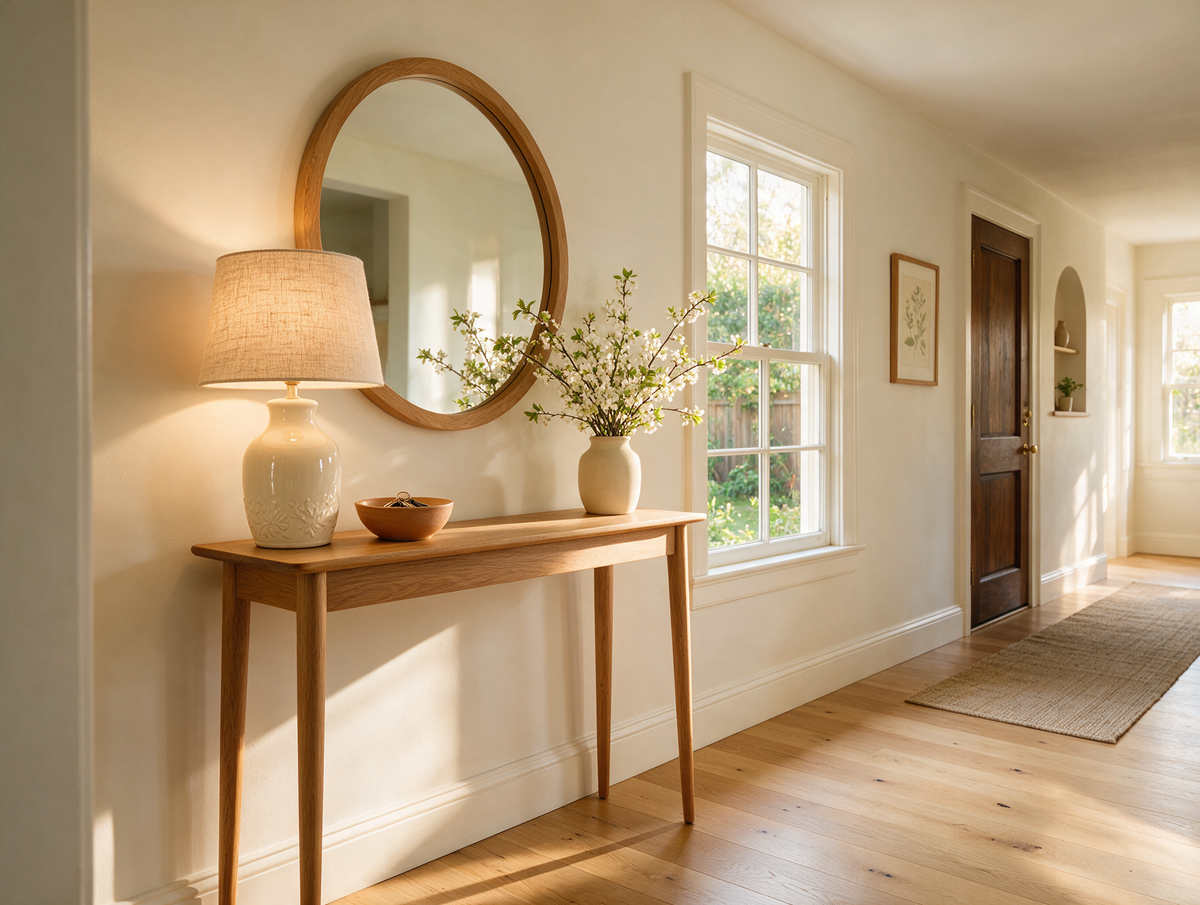
Console Table Ideas – Where to Use One and How to Style It
Do you remember coming home from school and dropping everything on the little table by the front door? Keys in the china dish, letters propped against the lamp, a vase of whatever was flowering in the garden and the old telephone with its curly cord. It was the first thing you saw when you walked in, and somehow it always said: you are home.
Read moreabout Console Table Ideas – Where to Use One and How to Style It
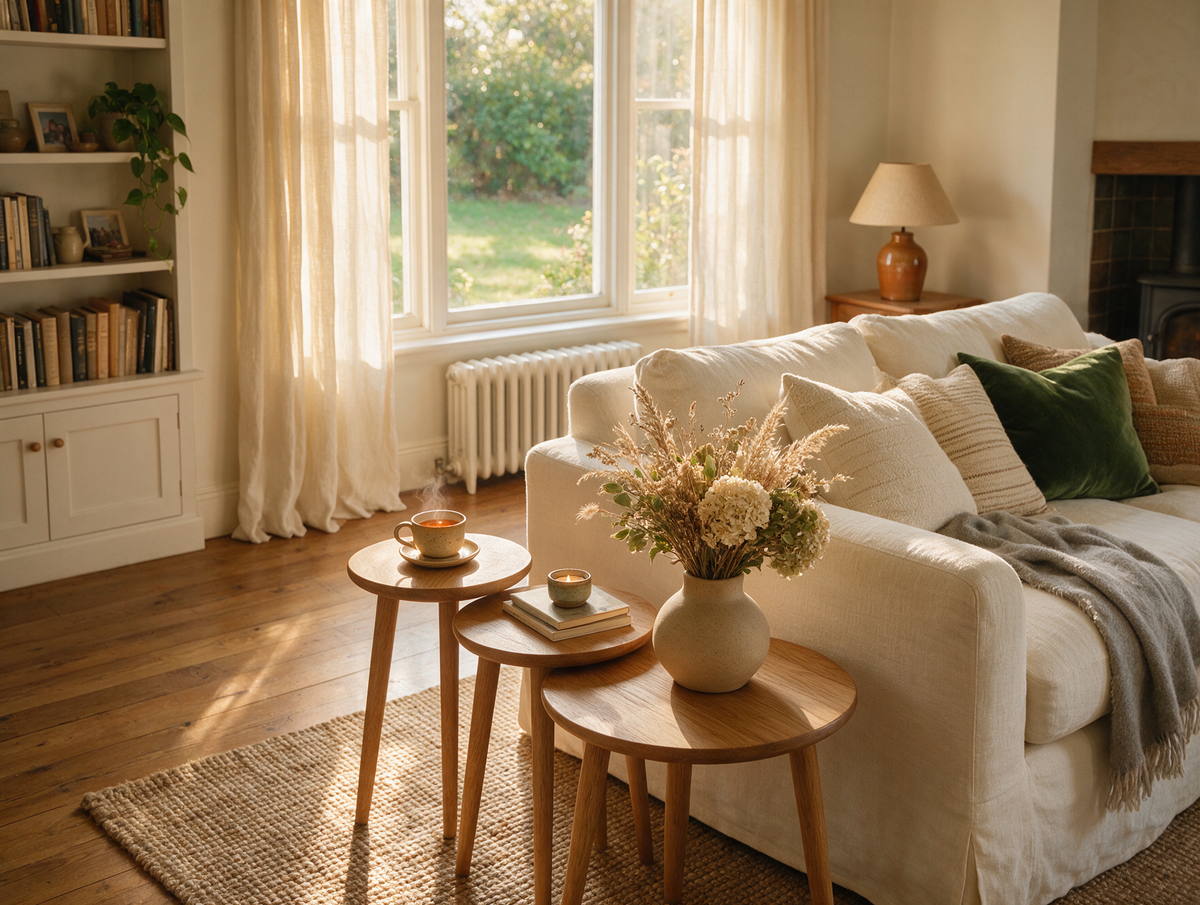
Nest of Tables – What Are They, Who Are They For and How to Style Them
Do you remember Sunday visits to your nan's, when the nest of tables came out from beside the armchair? Three little tables, each tucked neatly under the next, were pulled apart and handed round – one for the teapot, one for the biscuit tin and one for Grandad's crossword – and then slid back together the moment everyone went home.
Read moreabout Nest of Tables – What Are They, Who Are They For and How to Style Them
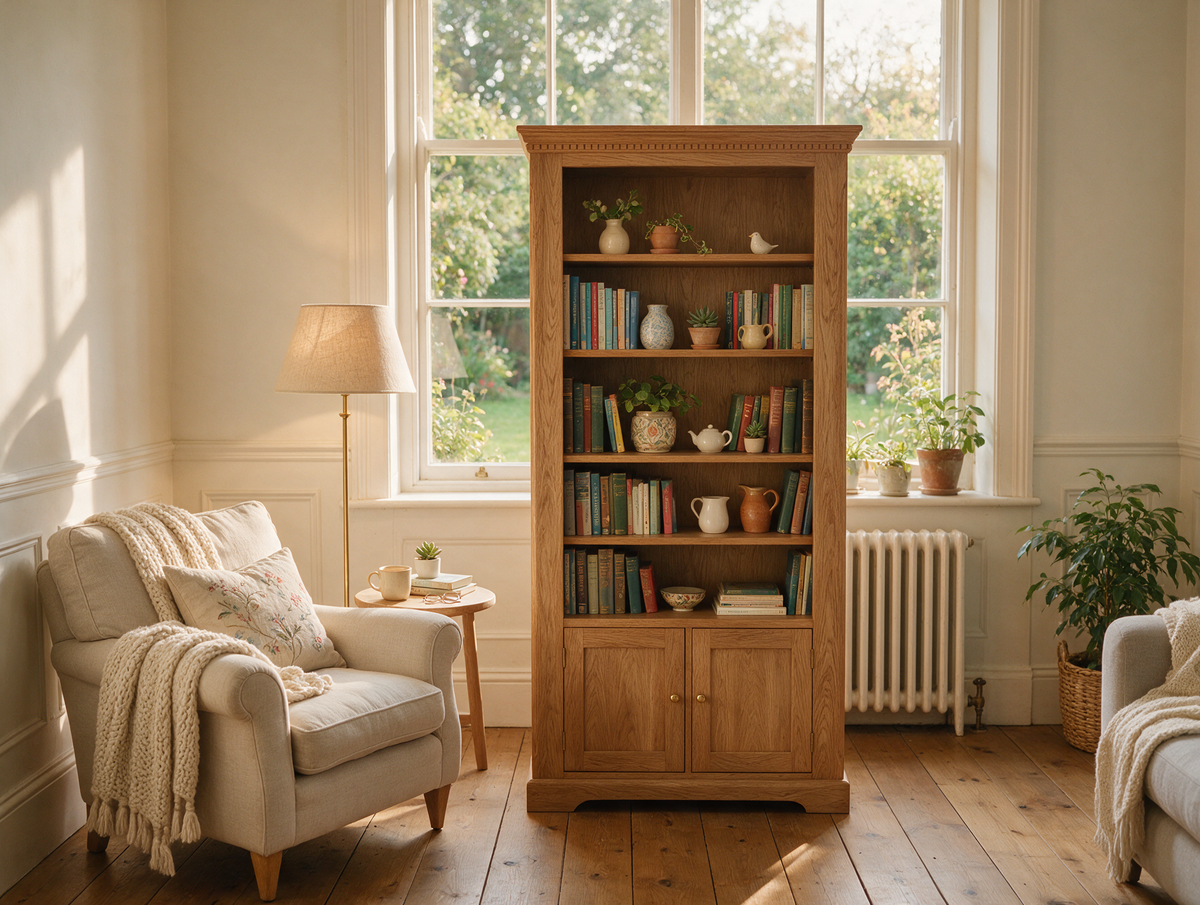
Bookcase Ideas – How to Choose and Style a Bookshelf for Your Living Room
Do you remember the bookcase in your grandparents' front room? Rows of faded paperbacks, a set of encyclopaedias nobody ever finished, holiday souvenirs, a framed school photo and that one heavy atlas you pulled out on rainy afternoons. It was never styled for anyone – and yet it told the whole story of the family.
Read moreabout Bookcase Ideas – How to Choose and Style a Bookshelf for Your Living Room



Share:
Nursery Ideas – How to Design a Safe and Cosy Room for Your Baby
Memory Foam vs Pocket Sprung Mattress – The Comparison That Makes Choosing Easier