


- by Daniel Pawlik
Coffee Table – How to Choose and Style the Perfect One for Your Living Room
- by Daniel Pawlik
The coffee table is the room's quiet centre. It carries the morning espresso, the after-dinner book, the candle that flickers when the lamp goes off, the magazine someone left open last week. Compared to the sofa, it gets less attention in furniture decisions – which is a shame, because the coffee table you choose shapes how the whole living room actually works.
A well-chosen coffee table holds drinks within reach, leaves enough room to walk around, gives the eye somewhere to land between sofa and rug, and quietly stores the everyday clutter that no one wants on display. A poorly chosen one becomes the piece you keep moving around the room because it never quite fits. Below, we walk through how to size your coffee table, which shape works for your space, how storage changes the conversation, and how to style the result so it looks deliberate rather than accidental.
Coffee table sizing is one of those areas where the rules genuinely help. A few proportions to memorise:
Length: roughly two-thirds the length of your sofa. A 220 cm sofa pairs naturally with a 140–150 cm coffee table. Smaller and the table looks marooned; larger and it crowds the seating area.
Height: match the top of the sofa seat or sit 2–5 cm below. Tables that sit much lower or higher feel awkward when you reach for a glass.
Walking space: keep at least 40–50 cm between the coffee table and the sofa, and 75–80 cm of walking room around the rest of the room. Less and you'll keep bumping shins.
Width or diameter: ideally 40–55 cm narrower or smaller in diameter than your seating depth, so there's room to set things down without leaning forward.
For compact rooms, a small coffee table (around 70–90 cm long, or a 60 cm round) gives you function without dominating the floor. For larger living rooms or open-plan spaces, a generous low table reads better visually – or two smaller tables side by side, which give more flexibility when guests arrive.
A useful tip if you're unsure: tape out the table's footprint on the floor with masking tape before you order. Live with the outline for a day, walk around it, set a cup on the spot. You'll know within twenty-four hours whether the proportions work.

The round coffee table versus rectangular debate isn't really about taste – it's about how the room actually functions.
A round coffee table works well when:
you have small children or pets running around (no corners to bruise on),
the seating has competing angles (a sofa with two armchairs at different angles benefits from a soft, central shape),
you want the room to feel less templated and more organic,
floor traffic comes from multiple directions.
A rectangular coffee table works well when:
the sofa is the dominant seating piece and you want the table to align with it,
the room is more formal or symmetrical,
you tend to set more than one tray or book grouping on the table (rectangles give you defined zones),
the table needs to span a longer sofa or seat several drinks at once.
Square coffee tables sit between the two – good for a single sofa, less practical for a long L-shape.
A few examples from our own range to illustrate the spread:
the Round Coffee Table Soren 66×40 – a compact round option for smaller living rooms,
the Dualis Coffee Table 128×40 – a rectangular workhorse for longer sofas,
the Quadrato Coffee Table 90×42 – a marble coffee table in a square format,
the Round Glass Coffee Table Aria Glass – a glass coffee table with a light visual footprint, ideal in small rooms where a solid table would dominate.
A glass coffee table or marble coffee table comes with the same shape choices – the material doesn't dictate the form, only the visual weight.
A coffee table with storage quietly improves how a living room functions, especially in flats where every piece of furniture needs to earn its keep more than once. There are three common storage formats:
Drawer storage – one or two slim drawers integrated into the body. Best for remotes, chargers, coasters, small notebooks – the things you reach for daily.
Lower shelf or compartment – an open shelf below the tabletop. Good for books, magazines, a folded throw, a tray of candles.
Lift-top storage – the entire top lifts on hinges to reveal a hidden compartment. Less common but useful for blankets, board games, or laptops in shared spaces.
What to store realistically:
remotes and chargers (the things that otherwise live in the wrong place),
a small tray with coasters,
one or two books currently being read,
a folded throw or two,
art supplies or homework if the table doubles as a casual work surface.
What not to store: anything heavy enough to strain the lid mechanism, anything in cardboard that absorbs moisture, and anything you need access to twenty times a day (a closed compartment makes that slow).
In the Pillovely coffee tables range, you can filter directly by Number of drawers or Number of compartments to find models with the storage configuration you need. Smart engineering rather than buying two separate pieces.
How to style a coffee table is the question that fills entire interior magazines, but the answer is simpler than it seems: a few considered objects beat a crowded surface every time.
The rules that age well:
The rule of three. Group objects in odd numbers. Three short candles, three stacked books, three small ceramic pieces. The eye reads odd groupings as more dynamic than even ones.
Vary heights. Combine a low object (a tray), a mid-height object (a stack of books), and something tall (a vase, a candle in a holder, a sculptural piece). Visual rhythm.
Use a tray. A flat tray (40–60 cm across, in wood, marble, or rattan) gives a defined zone for drinks and corrals smaller objects. It also makes the table easier to clear when needed.
Add something living. A small plant, dried grasses in a vase, fresh flowers – something that grew. It softens the hard finishes around it.
Leave breathing room. At least one third of the tabletop should stay empty. A fully covered surface looks busy and is impractical for actually using the table.
One personal element. A book you genuinely love, a piece of pottery from a trip, a candle in a scent you actually use. The table should say something about you.
For coffee table ideas leaning toward a particular aesthetic:
Modern minimalist – one sculptural object, one large book, one ceramic vase. Done.
Boho-warm – layered trays, dried grasses, candle clusters, a vintage tray with mismatched objects.
Modern classical – marble or glass top, a hardcover photography book, fresh flowers, brass candle holders.
Japandi – pale wood, a small bowl, a single branch in a vase, restraint everywhere.
For inspiration that translates into actual purchases, the full Pillovely coffee tables collection is the place to browse – with marble, glass, wood, and metal options across round, square, and rectangular formats.

Can I use two coffee tables instead of one?
Yes, and it often works better in larger rooms. Two smaller tables – the Two Quadrato Coffee Tables marble pair is a good example – let you separate them for guests or pull them together for daily use.
Are glass coffee tables practical in family homes?
With tempered glass and rounded corners, yes. They show fingerprints faster than other materials but wipe clean instantly, which usually balances out.
How tall should a coffee table be?
Match the top of the table to the seat of your sofa, or sit 2–5 cm below. Most modern sofas are 40–45 cm at the seat; coffee tables of 38–43 cm cover most cases.
What's the best material for a coffee table?
Solid wood for warmth and longevity, marble for elegance, glass for visual lightness, metal for industrial settings. The right answer depends on your room and what else lives in it.
Is a small coffee table enough for daily use?
Yes for couples or solo households. A 70–90 cm coffee table holds two drinks, a book, and a candle – which is usually all that's needed.
The best coffee tables don't draw attention – they just make the rest of the room work better. If you're looking for one that genuinely fits your living room, the Pillovely coffee tables collection is a calm place to start, with shapes, sizes, and materials that age well alongside the sofa they live beside.
Console Table Ideas – Where to Use One and How to Style It
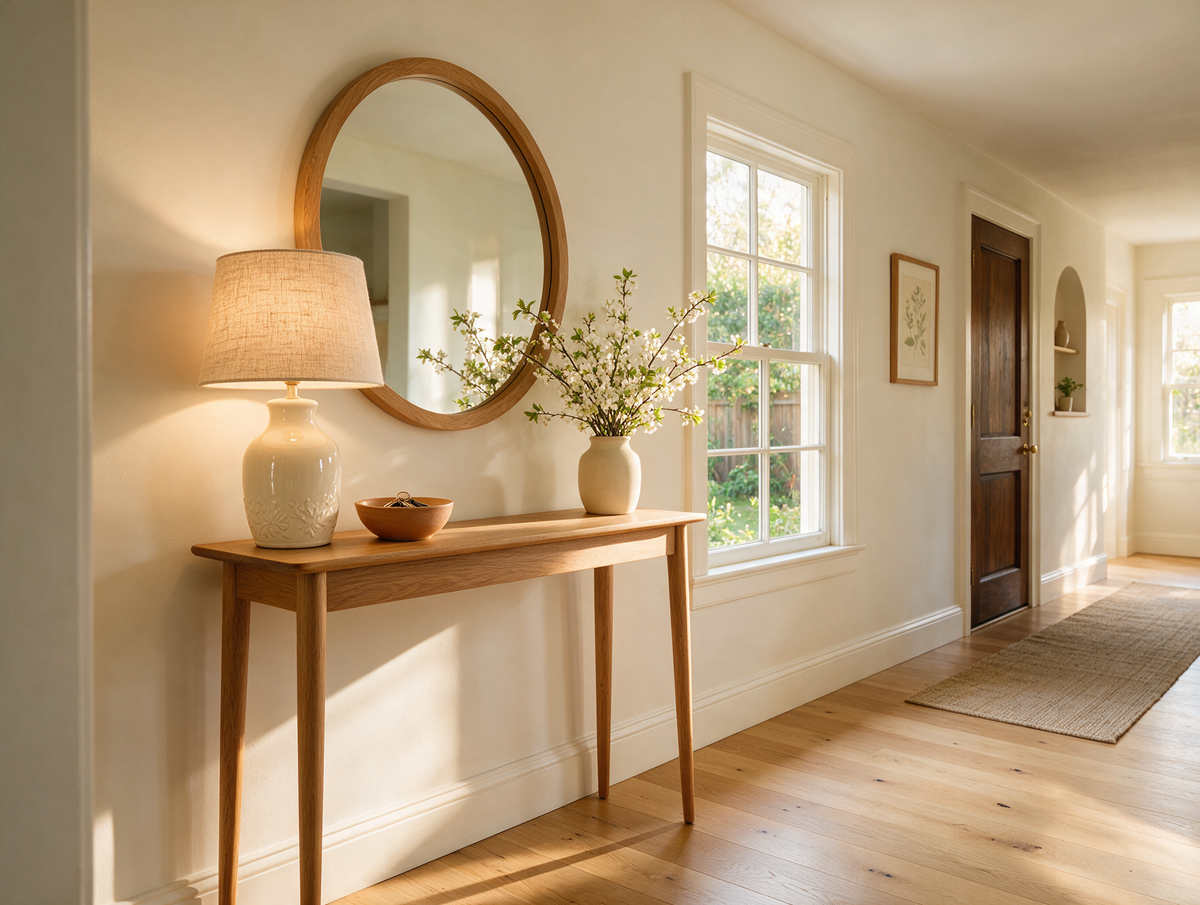
Do you remember coming home from school and dropping everything on the little table by the front door? Keys in the china dish, letters propped against the lamp, a vase of whatever was flowering in the garden and the old telephone with its curly cord. It was the first thing you saw when you walked in, and somehow it always said: you are home.
Read moreabout Console Table Ideas – Where to Use One and How to Style It
Nest of Tables – What Are They, Who Are They For and How to Style Them
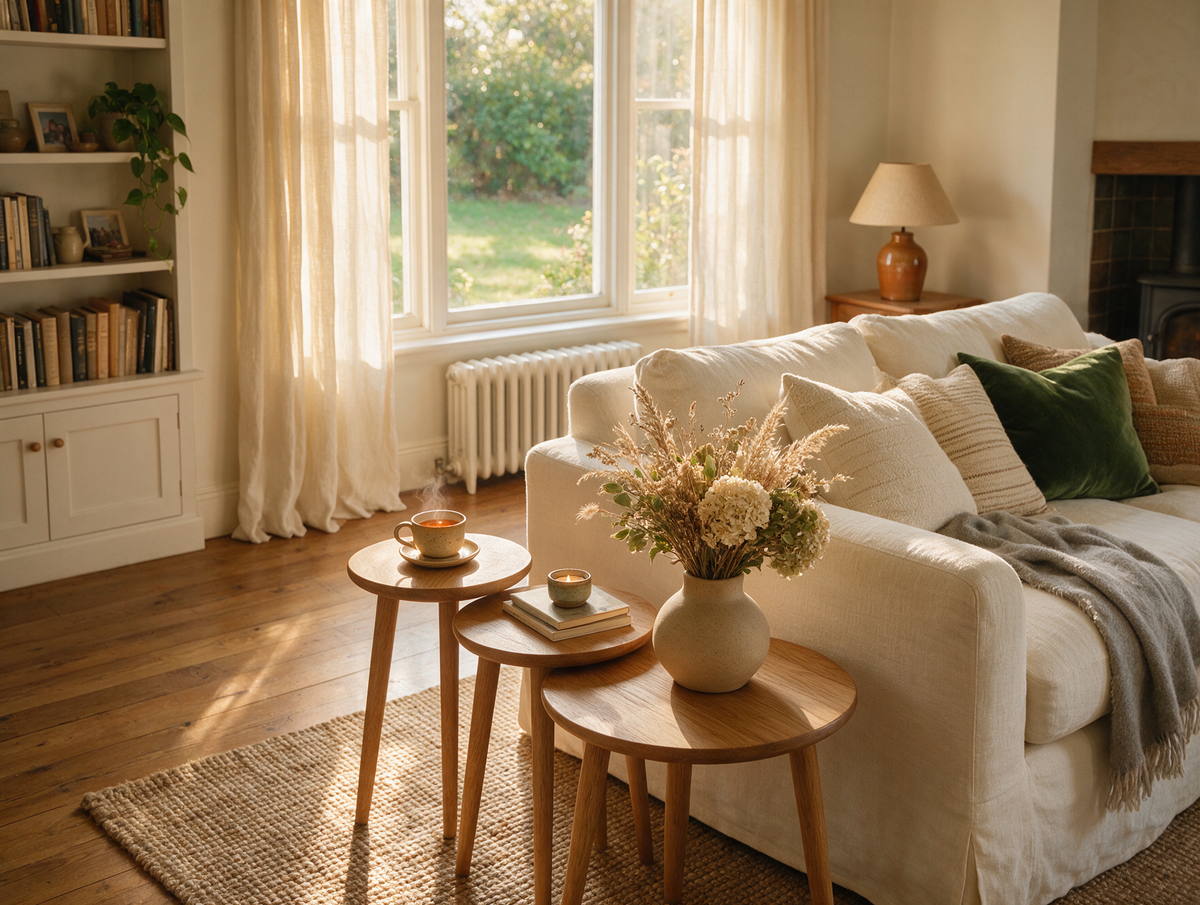
Do you remember Sunday visits to your nan's, when the nest of tables came out from beside the armchair? Three little tables, each tucked neatly under the next, were pulled apart and handed round – one for the teapot, one for the biscuit tin and one for Grandad's crossword – and then slid back together the moment everyone went home.
Read moreabout Nest of Tables – What Are They, Who Are They For and How to Style Them
Bookcase Ideas – How to Choose and Style a Bookshelf for Your Living Room
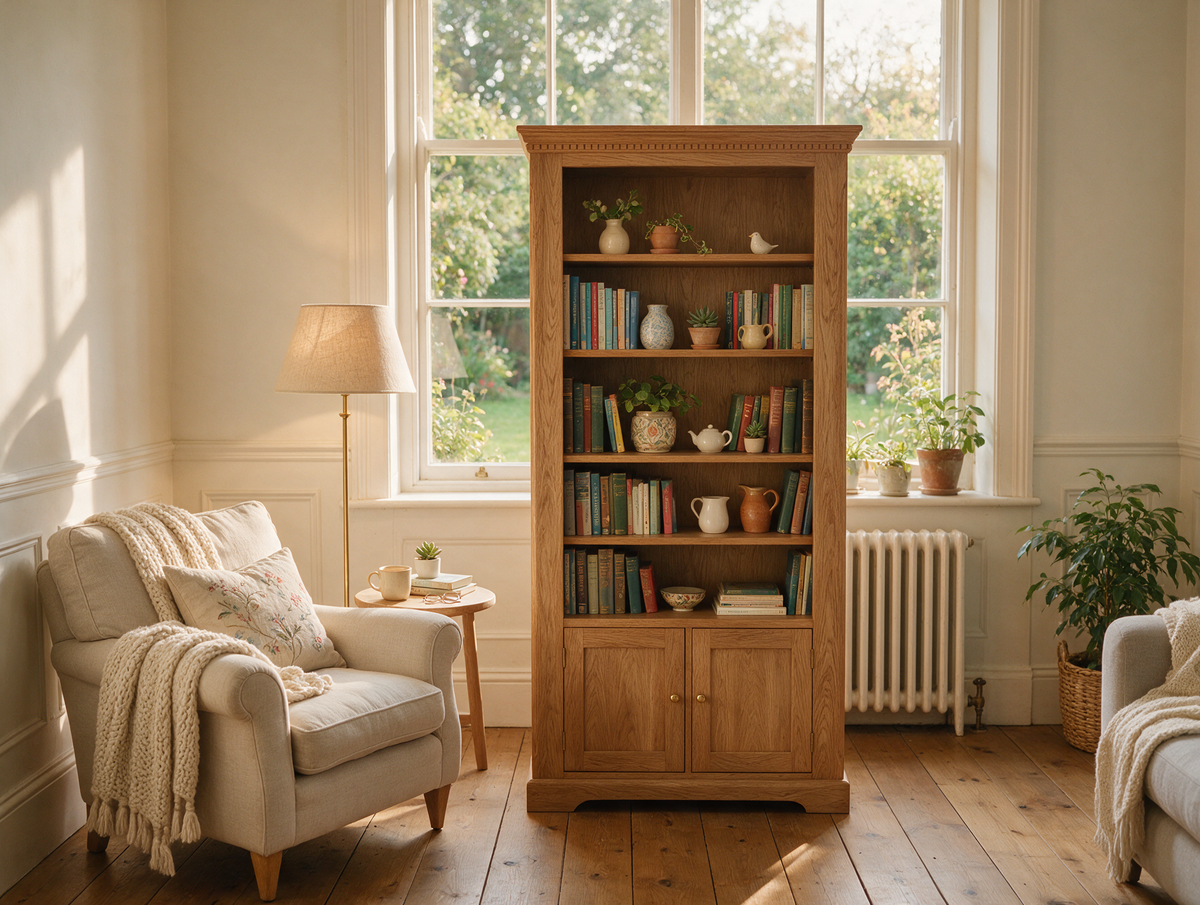
Do you remember the bookcase in your grandparents' front room? Rows of faded paperbacks, a set of encyclopaedias nobody ever finished, holiday souvenirs, a framed school photo and that one heavy atlas you pulled out on rainy afternoons. It was never styled for anyone – and yet it told the whole story of the family.
Read moreabout Bookcase Ideas – How to Choose and Style a Bookshelf for Your Living Room



Share:
Bedroom Furniture Sets – How to Choose a Complete Bedroom Set for Your Home
Living Room Colours – How to Choose the Best Wall Colour for Your Living Room