


- by Daniel Pawlik
Minimalist Interior Design – How to Create a Warm Minimalist Home
- by Daniel Pawlik
Remember the unique, peaceful calm of Sunday mornings in your family home? Warm light through the net curtains, the smell of fresh coffee and your favourite 80s band playing quietly on the radio. Back then, home was not a perfect, sterile catalogue. It was a refuge where every corner had its story and you simply felt safe and at home.
Today, when adult life brings constant rush, phone notifications and information overload, we increasingly look for an escape from stimulation. We want to come back to a place that calms us, gives us room to breathe and time for ourselves. That is why minimalist interior design is so popular.
But minimalism the Pillovely way is much deeper than bare walls and giving things up. We believe a home is not just wallpaper and furniture — it is emotions and memories: carefree childhood, teenage rebellion, crazy student years. Your interior should tell your own authentic story.
How do you bring minimalism into your home without losing warmth? Here is a complete guide to designing an interior in the spirit of less is more.

Modern minimalist style comes from mid-20th-century architecture and Eastern philosophy, where less is more. At its core, it is about removing everything unnecessary, random and impractical from a space.
Yet minimalism is often wrongly associated with coldness, a lack of cosiness and sterile simplicity. We reject that view. For us, a minimalist interior is the considered art of choosing — giving up visual noise in favour of what truly brings you calm, comfort and joy.
With this approach, a minimalist home becomes your private studio — a quiet place to recharge.
The living room is the heart of every home — where you relax after work, spend time with loved ones, listen to music and watch favourite films. When designing a minimalist living room, focus on clear zones and furniture that combines simplicity with maximum comfort.
The centrepiece of a calm living room is the seating area. Sofas in light, muted shades — soft beige, cream or warm grey — work beautifully. If you have more space, choose a corner sofa or modular sofa that adapts to your life. Choose tactile fabrics with texture, such as corduroy or soft knit, which soften simple forms with a cosy feel.
Order in a minimalist living room is not about throwing everything away — it is about smart storage.
Stick to earthy colours: light beiges, off-whites and deep green. For us, green is not just a fashionable shade but a nod to nature and an eco-friendly approach. One or two natural accents — a real plant in a ceramic pot or a linen throw — add depth.
In small homes and studio flats, minimalism stops being just a style choice and becomes a practical necessity. Too many things in a small space quickly feel cramped and overwhelming.
Want to learn more about creating harmony in different styles? Read our guides to Japandi living rooms and loft style.
This is the most common question and biggest worry for people planning a minimalist interior: how do you keep clean lines and still create a real refuge?
The answer is warm minimalism. Much of the interiors world sends a message of distance: "feel prestigious", "show your success", "buy luxury". We reject that. You do not need to buy hugely expensive things for show to prove something to the neighbours.
We know furniture is not just a factory object — it is a quiet witness to your everyday successes, conversations over tea, lazy Sunday mornings and family gatherings.

A minimalist home should not be a list of sacrifices or a chase after an ideal imposed from outside. Home is your refuge — the place where you kick off your shoes, put on a favourite song from your youth and simply feel at home.
Choose light sofas, functional chests of drawers and TV units that bring harmony, lightness and order to your home.
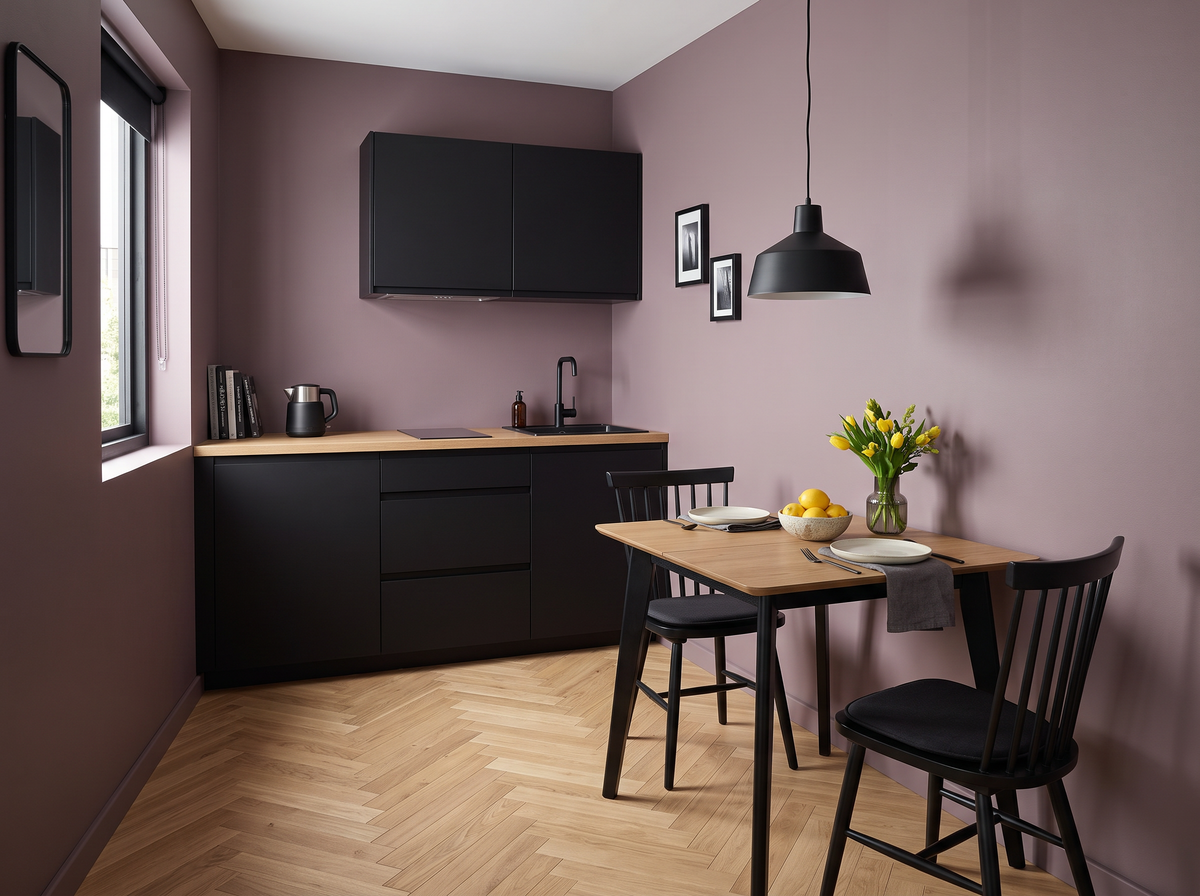
Small Dining Table Ideas: Tables That Work in Compact Rooms
Do you remember the fold-out table that lived against the wall in a childhood flat, pulled out only for Sunday dinner and pushed straight back afterwards so there was still room to walk to the kitchen?
Read moreabout Small Dining Table Ideas: Tables That Work in Compact Rooms
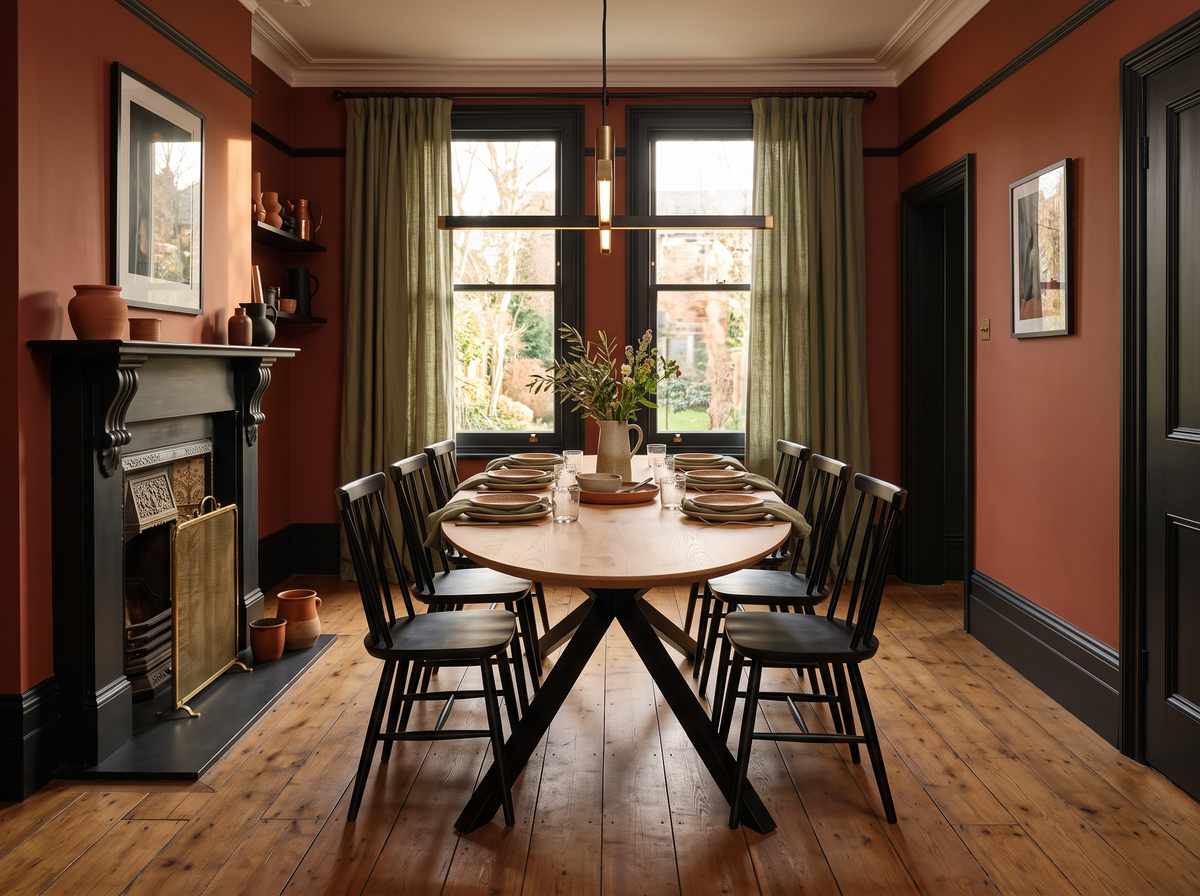
Round vs Rectangular vs Oval Dining Table: Which Shape Fits Your Room?
Do you remember the heavy, round table at your grandparents' house, the one with just enough wobble in one leg that everyone knew to avoid, yet somehow it always sat exactly the right number of people, no matter who turned up?
Read moreabout Round vs Rectangular vs Oval Dining Table: Which Shape Fits Your Room?
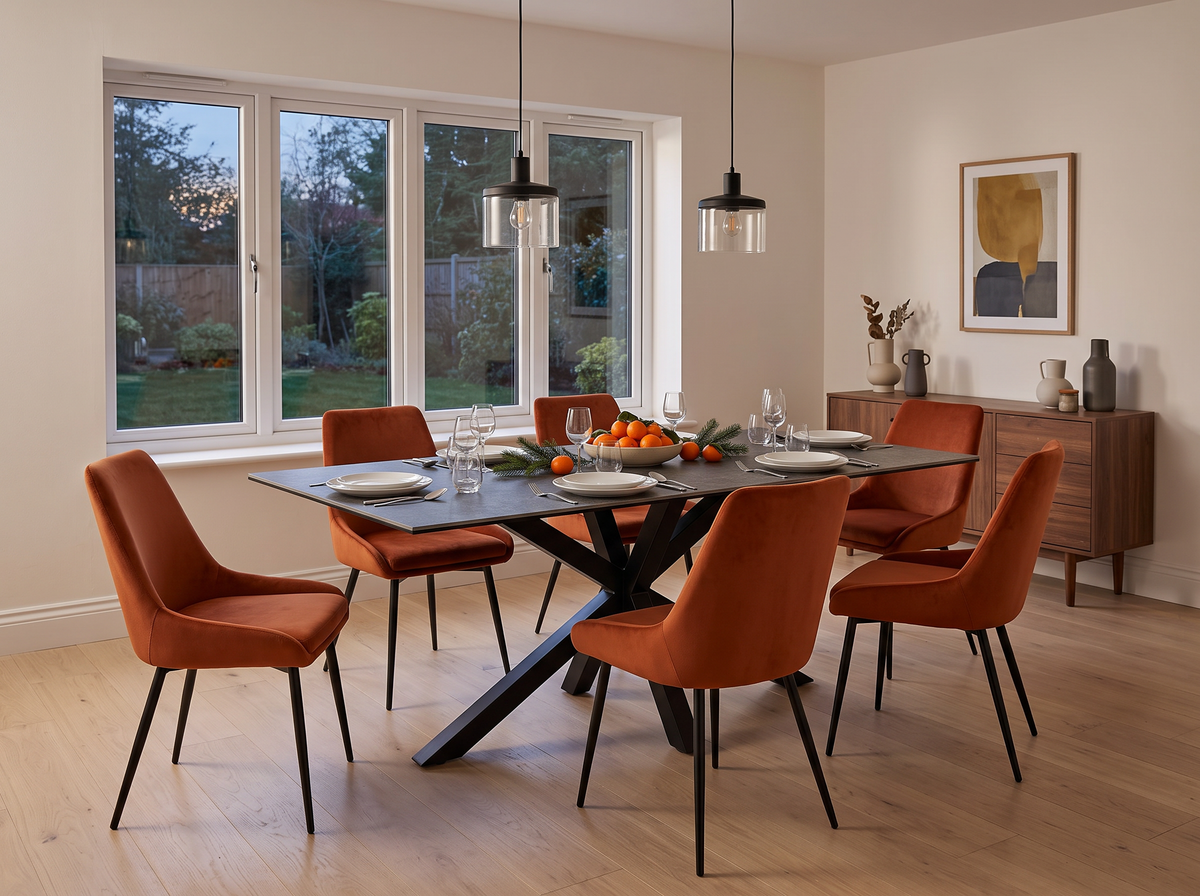
Dining Table Size Guide: How Many People Does a Table Seat?
Do you remember standing in a furniture shop as a child, watching your parents argue good-naturedly over whether "this one" would actually fit the dining room, while you quietly counted how many cousins could squeeze around it at Christmas?
Read moreabout Dining Table Size Guide: How Many People Does a Table Seat?


Share:
Living Room Lighting Ideas – How to Choose Lamps for a Modern Living Room
Room Divider Ideas – How to Split an Open-Plan Space Into Zones Without Building Walls