


- by Daniel Pawlik
How to Paint Furniture – Step-by-Step Guide to a Professional Finish
- by Daniel Pawlik
Painting furniture is one of those things that can completely transform a room – without more space, without a renovation, without replacing fitted furniture. Grandma's old chest of drawers, a 90s pine wardrobe, a bookcase from your first student flat – all can be refreshed with paint, a brush and a little patience. At Pillovely we believe furniture has its own stories, and painting is often the easiest way to keep writing them.
In this guide we show you how to prepare furniture for painting, which paint to use on wooden furniture and how to paint furniture without the usual mistakes. Practical solutions, proven methods and real results – so your makeover really works.
The success or failure of the project is decided before you even touch the paint. Preparation is a big part of the final result. Most problems with chipping, streaks or a wrinkled finish come from skipping one of these steps.
Cleaning. The furniture must be perfectly clean – degreased and free of dust, fingerprints and kitchen grime. A diluted detergent or degreaser works best. Do not forget handles, corners and the undersides of drawers.
Removing hardware. Unscrew handles, hinges and screws. Take off doors and pull out drawers. Painting furniture in parts gives a much cleaner result – no drips on the edges and no handles stuck to the paint.
Sanding. Many people get this wrong – sanding either too little or too aggressively. For lacquered furniture, 180–220 grit paper is enough to key the surface so the paint has something to grip. Sand bare wood first with 120 grit, then 180. After sanding, vacuum thoroughly and wipe with a damp cloth.
Priming. This step decides how long the finish lasts. Primer seals old layers (especially dark, knotty wood, bare pine and MDF) and ensures even coverage. Without it, paint can flake, show through or leave patches.
Prep checklist: furniture cleaned → hardware removed → surface sanded → dust removed → primer applied and dry.

"What paint should I use on furniture?" There is no single answer. It depends on the material, where the furniture will live (bedroom, kitchen, bathroom) and the look you want.
Chalk paint. Fashionable and forgiving. It covers well and gives a matt, slightly vintage finish – ideal for chests of drawers, side tables and frames. Once dry, it needs sealing with wax or varnish. Great for rustic furniture, but also for modern schemes in muted shades.
Acrylic (water-based) paint. Versatile, quick-drying and easy to apply. Good for kitchen and children's furniture – it is wipeable and does not smell for weeks.
Alkyd and hybrid paints. Harder, more durable and scuff-resistant – the choice for heavily used furniture: tops, chairs and kitchen fronts. They take longer to dry and smell stronger, but the finish lasts years of daily use.
Wood stains and varnish stains. If you want to highlight the wood grain rather than cover it, this is your choice – ideal for old oak, ash or characterful pine.
Tools. A synthetic brush (for water-based paints) 3–5 cm wide for large areas and 1–2 cm for details. A short-pile foam or velour roller gives a smoother finish on flat fronts. A spray gun is the next level – perfect results, but it needs practice and space.
Tip: do not buy the cheapest brush. It sheds bristles, leaves streaks and will waste hours of your work.
Prepared, primed, ready. Now for how to paint furniture so it looks professional.
Thin coats. The most important rule. Three thin coats are better than one thick one. A thick coat dries unevenly and creates drips and an orange-peel texture. Thin coats dry faster, cover evenly and can be lightly sanded between coats.
Direction of strokes. Always paint in the direction of the wood grain. Spread the paint across first, then finish with a stroke along the grain to even out the texture.
Drying time. Read the label. Some paints feel dry after an hour but need 4–6 hours before the next coat. Skipping this is a classic mistake – a fresh coat can lift the one underneath and cause bubbles.
How to paint lacquered furniture. Two key steps: key the surface with sandpaper and use a high-adhesion primer for smooth surfaces. Without them, the paint will literally slide off the lacquer.
How to paint a wardrobe – step by step:
Common mistake: refitting handles too soon. Fresh paint stays soft for several days, even if it feels dry to the touch.

The best thing about painting furniture is that you can literally see the difference. A 70s chest of drawers in deep olive. A pine wardrobe painted dusty pink with brass knobs. Grandad's old bookcase in smooth cream, finally showing off carved details once lost under dark varnish.
Each makeover is more than a refresh – it adapts the piece to you and how you want to live today. Furniture you were about to throw out a week ago suddenly becomes the focal point of the living room, holding your vinyl, your books and your school memories. At Pillovely we love these stories – a home is built in layers, and not everything has to be new to be yours.
Colour directions that look great in 2026:
Can I paint furniture without sanding?
You can, but only with a high-adhesion primer. Even then, lightly keying the surface with 220 grit paper greatly improves durability – an extra 10 minutes that saves weeks of disappointment.
How many coats of paint does a wardrobe need?
Usually two to three coats of top coat plus a primer. For big colour changes (for example from dark brown to white) you may need four.
How long does painted furniture take to dry?
Touch-dry in 1–4 hours, but full curing can take 2–4 weeks. During this time avoid putting heavy or sharp objects on it and do not scrub it.
Does painting MDF furniture need a different approach?
Yes. MDF absorbs paint, so primer is essential – ideally one designed for porous surfaces. Seal cut edges, as they can swell from the moisture in the paint. Read more in what is MDF.
What paint should I use on children's furniture?
Choose a water-based acrylic paint labelled as safe for children's furniture and toys. Avoid paints with a strong chemical smell.
Is painting furniture worth it, or should I buy new?
If the piece is structurally sound (solid wood, firm joints), painting is usually cheaper and more personal. If the board is swollen with moisture or the frame is coming apart, it is not worth the investment.
A freshly painted chest of drawers deserves company that suits it. If you are planning to refresh your whole interior, explore the sofas, armchairs and cushions at Pillovely – made for people who love interiors with a story, where grandma's freshly painted wardrobe stands next to a modern corner sofa and it all just works.
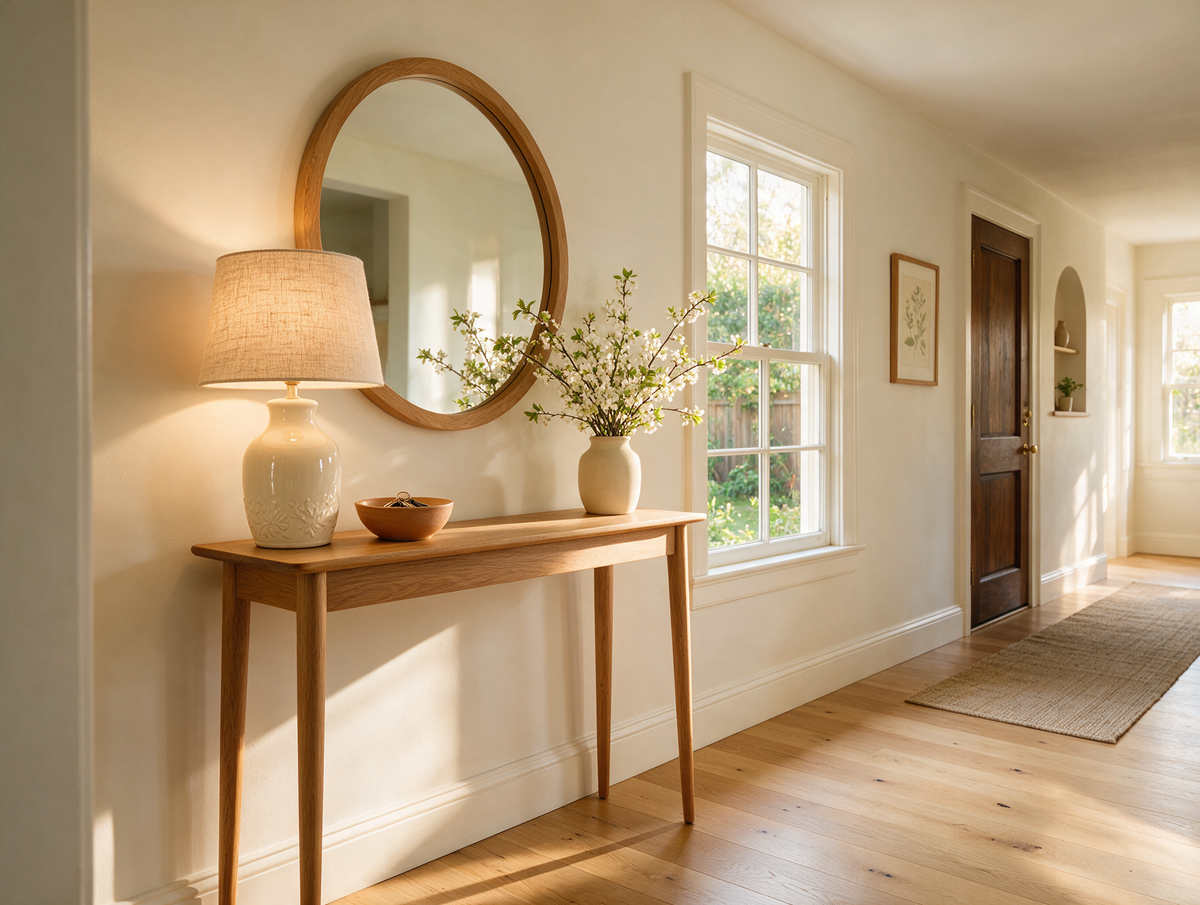
Console Table Ideas – Where to Use One and How to Style It
Do you remember coming home from school and dropping everything on the little table by the front door? Keys in the china dish, letters propped against the lamp, a vase of whatever was flowering in the garden and the old telephone with its curly cord. It was the first thing you saw when you walked in, and somehow it always said: you are home.
Read moreabout Console Table Ideas – Where to Use One and How to Style It
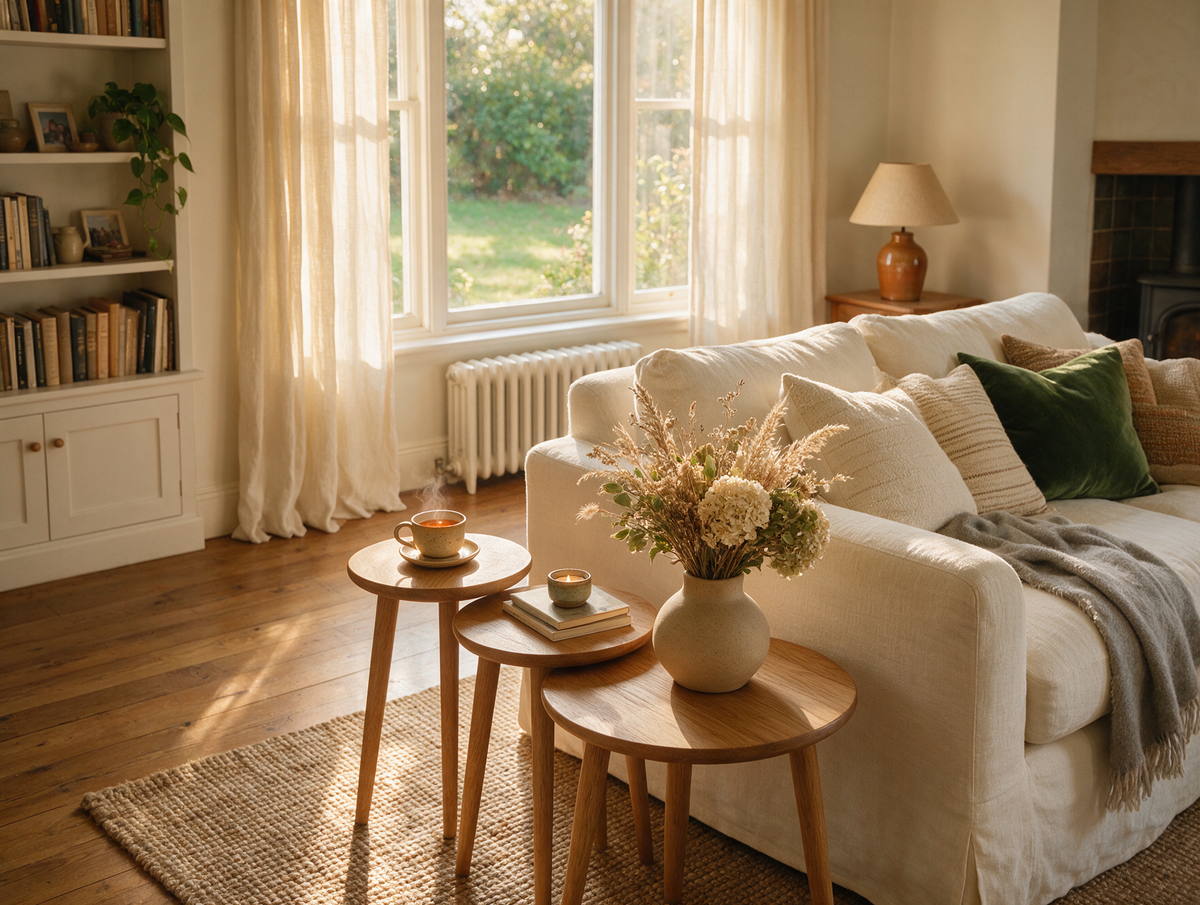
Nest of Tables – What Are They, Who Are They For and How to Style Them
Do you remember Sunday visits to your nan's, when the nest of tables came out from beside the armchair? Three little tables, each tucked neatly under the next, were pulled apart and handed round – one for the teapot, one for the biscuit tin and one for Grandad's crossword – and then slid back together the moment everyone went home.
Read moreabout Nest of Tables – What Are They, Who Are They For and How to Style Them
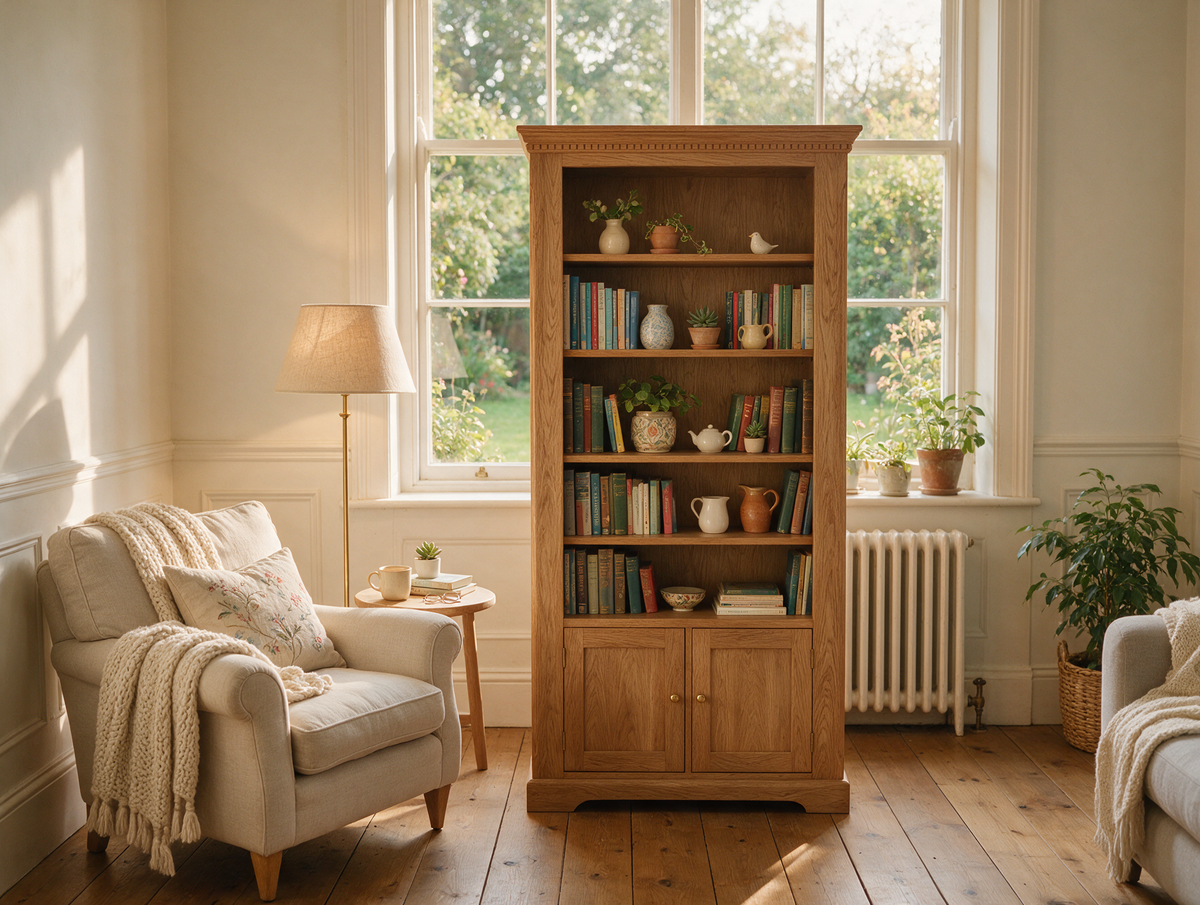
Bookcase Ideas – How to Choose and Style a Bookshelf for Your Living Room
Do you remember the bookcase in your grandparents' front room? Rows of faded paperbacks, a set of encyclopaedias nobody ever finished, holiday souvenirs, a framed school photo and that one heavy atlas you pulled out on rainy afternoons. It was never styled for anyone – and yet it told the whole story of the family.
Read moreabout Bookcase Ideas – How to Choose and Style a Bookshelf for Your Living Room



Share:
Art Deco Lounge Ideas – Luxury Inspiration and Furniture for an Elegant Living Room
What Is Bouclé Fabric? Discover Why It's the Perfect Choice for Stylish Upholstery and Sofas