


- by Daniel Pawlik
Woodworm – How to Identify and Get Rid of Woodworm in Furniture
- by Daniel Pawlik
You open the door of grandma's old wardrobe and see a small pile of pale dust on the shelf. Lower down, on the side of a chest of drawers, there are a few round holes the size of a grain of rice. First thought: did someone drill these? Second, much less pleasant: could it be woodworm?
"Woodworm" is the common name for the larvae of several wood-boring beetles that feed on dry wood in furniture, beams and joinery. Left untreated, it can turn a solid oak table into a hollow shell over the years. The good news: if you spot the problem early, you can save the furniture in most cases. In this guide we explain what woodworm looks like, how to tell if it is active and how to get rid of woodworm – with home methods and when the heavy artillery is needed.
Before you fight it, you need to know what you are dealing with. The life of these insects has four distinct stages:
Adult woodworm beetles are usually elongated and cylindrical. You will most often see one only briefly – in the evening as it emerges from a hole in the furniture, or dead on a windowsill.

Most people never see a live beetle – they only see the traces. So how do you recognise woodworm even if no beetle has shown itself?
The key signs:
A checklist worth running once a year, ideally in spring:
There are several wood-boring beetles you may come across in homes, and each needs a slightly different approach.
Common furniture beetle (Anobium punctatum) – the most common cause of woodworm in homes. Adults are 2.5–5 mm, with small round exit holes of 1–2 mm. It likes dry, older wood – furniture, floorboards and picture frames. The life cycle takes several years.
House longhorn beetle (Hylotrupes bajulus) – far more dangerous for the structure of a building. Adults are 8–25 mm with oval exit holes of 5–10 mm. It attacks softwood in roof timbers and joists, and its larvae can live in wood for many years – hence the scale of damage.
Powderpost beetle (Lyctus) – attacks fresh hardwood, mainly oak and ash, including parquet. Small holes (1–2 mm) and very fine, flour-like dust; it is often found in new floors made from insufficiently dried timber.
What works best depends on the scale of the problem:
Can you treat woodworm without calling a specialist straight away? Home methods make sense for a small, contained infestation – one piece of furniture, a stool or a picture frame. The larger the area, the stronger the case for professional treatment.
How to treat woodworm at home:
Woodworm in a structural beam? Do not experiment – damage to a load-bearing element is not a job for home remedies. Call a timber treatment company to assess the beam and choose the right method.
Prevention is cheaper than cure:

Is woodworm dangerous to people?
No. The beetles do not bite or sting and do not carry disease. They are only a threat to wood – but in structural beams this can eventually damage the building.
Where did woodworm in my home come from?
Usually from inherited or second-hand furniture, old window frames, firewood or a new floor made from insufficiently dried timber. Adult females can also fly in through an open window in summer.
Does fresh dust under furniture always mean active woodworm?
Usually yes – fresh, pale frass is a sign that larvae or beetles are still active. Old dust is darker and more compact.
Will shop-bought products work on a woodworm-infested joist?
Usually not. Beams are too thick for a spray to penetrate deep enough. Professional treatment is needed.
Can furniture with lots of holes be saved?
It depends on the structure. If the wood is soft and gives under your finger, saving it may not be worthwhile. With a few holes, treatment followed by filling with wax or wood filler is usually enough.
How long after treatment is the furniture safe to use?
After professional treatment, usually 24–72 hours of airing – follow the specialist's advice. After freezing, you can use the furniture once it has thawed and dried.
Old wood has a soul and history that no catalogue can recreate – it is worth fighting for. But when a piece really cannot be saved, choose its successor wisely. If you are looking for furniture that will serve you for years, explore the Pillovely collection.
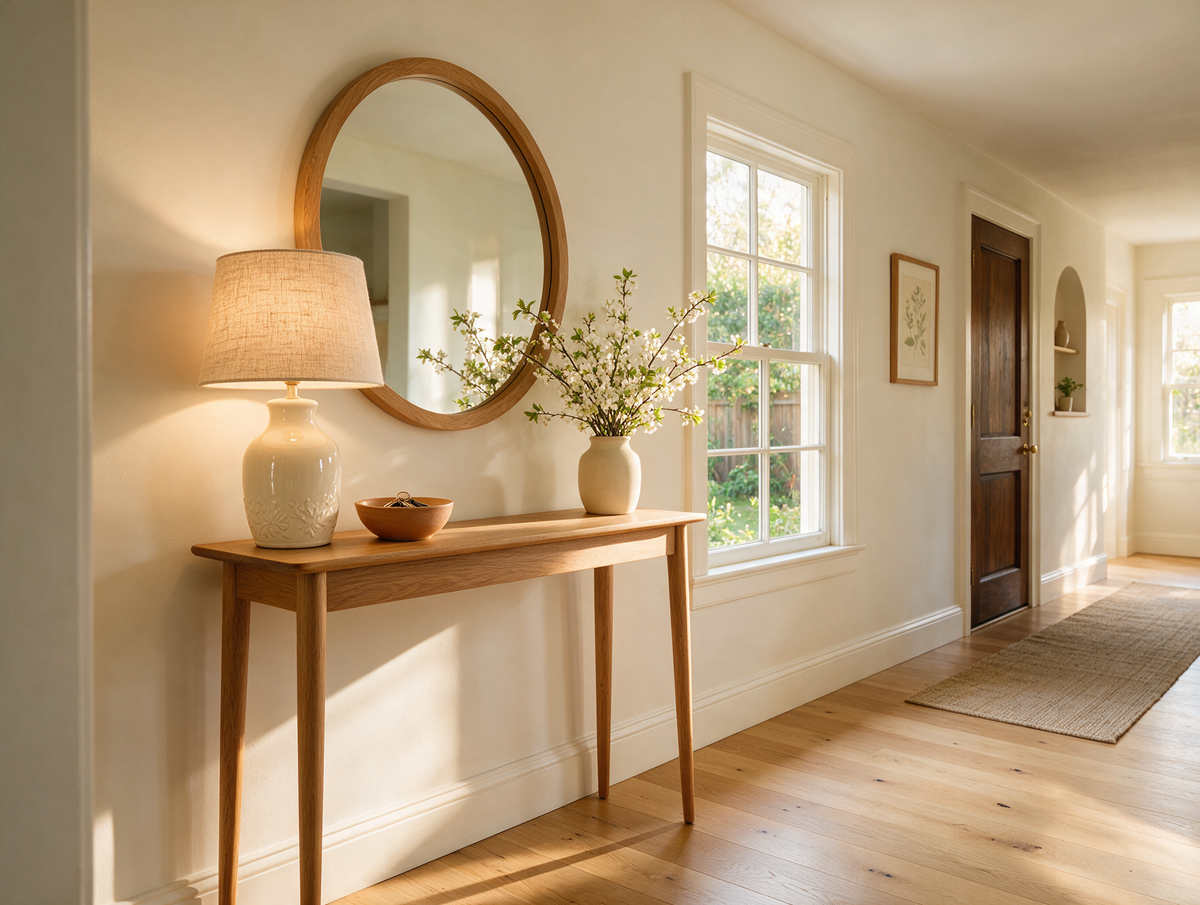
Console Table Ideas – Where to Use One and How to Style It
Do you remember coming home from school and dropping everything on the little table by the front door? Keys in the china dish, letters propped against the lamp, a vase of whatever was flowering in the garden and the old telephone with its curly cord. It was the first thing you saw when you walked in, and somehow it always said: you are home.
Read moreabout Console Table Ideas – Where to Use One and How to Style It
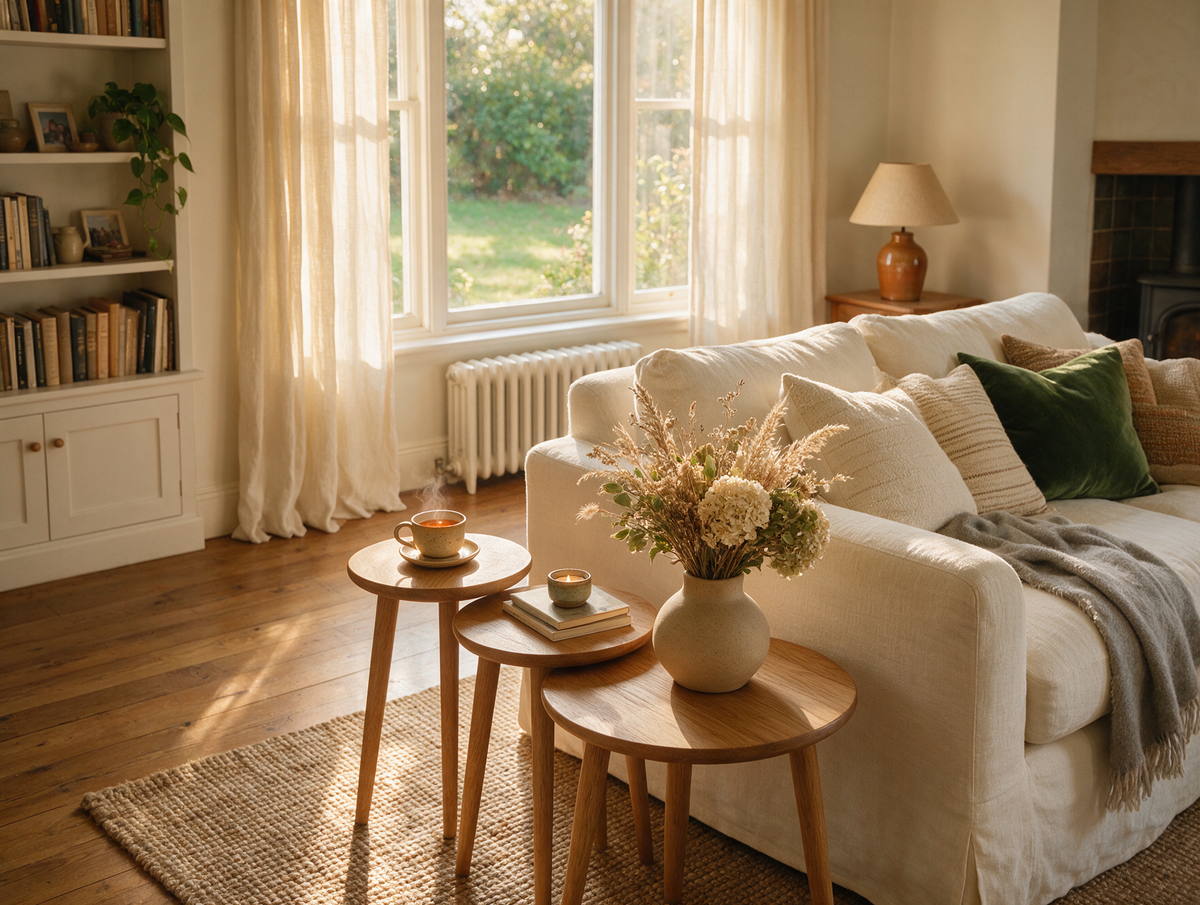
Nest of Tables – What Are They, Who Are They For and How to Style Them
Do you remember Sunday visits to your nan's, when the nest of tables came out from beside the armchair? Three little tables, each tucked neatly under the next, were pulled apart and handed round – one for the teapot, one for the biscuit tin and one for Grandad's crossword – and then slid back together the moment everyone went home.
Read moreabout Nest of Tables – What Are They, Who Are They For and How to Style Them
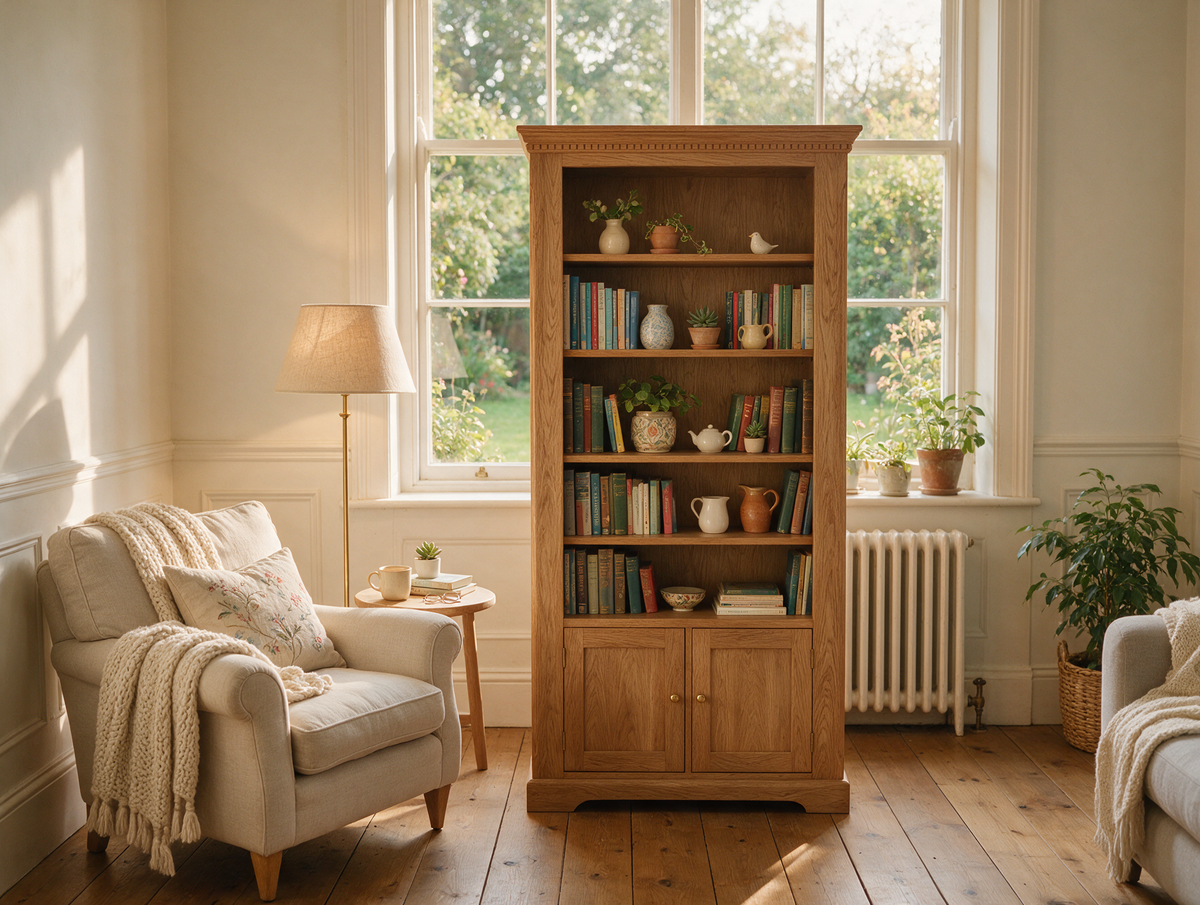
Bookcase Ideas – How to Choose and Style a Bookshelf for Your Living Room
Do you remember the bookcase in your grandparents' front room? Rows of faded paperbacks, a set of encyclopaedias nobody ever finished, holiday souvenirs, a framed school photo and that one heavy atlas you pulled out on rainy afternoons. It was never styled for anyone – and yet it told the whole story of the family.
Read moreabout Bookcase Ideas – How to Choose and Style a Bookshelf for Your Living Room



Share:
Blush Pink Color – How to Style It with Furniture and Accessories for a Modern Home
Japandi Living Room – Minimalist Ideas for a Warm and Modern Home