


- by Daniel Pawlik
Buying a sofa – what really matters? The ultimate guide to buying the perfect sofa
- by Daniel Pawlik
Some furniture is simply more than just household items. A sofa is one of them. It's the place where the workday ends, where the newspaper lies on Sundays, where your favorite movie plays for the thousandth time, and where it's never too far to nudge someone. Some still remember the corner sofa from the nineties, where the whole family sat between Aunt Christa's butter cake and the sports show. Others think of their first student sofa, which was half bed, half seating, and yet the place where their own life truly began for the first time.
That's precisely why buying a sofa is more than just a purchasing decision. It's about the place that will hold the most beautiful stories of your everyday life for years to come. That makes choosing the right one all the more important. In this guide, you'll find the most important tips for buying a sofa – from sofa types and materials to the question: online or furniture store?
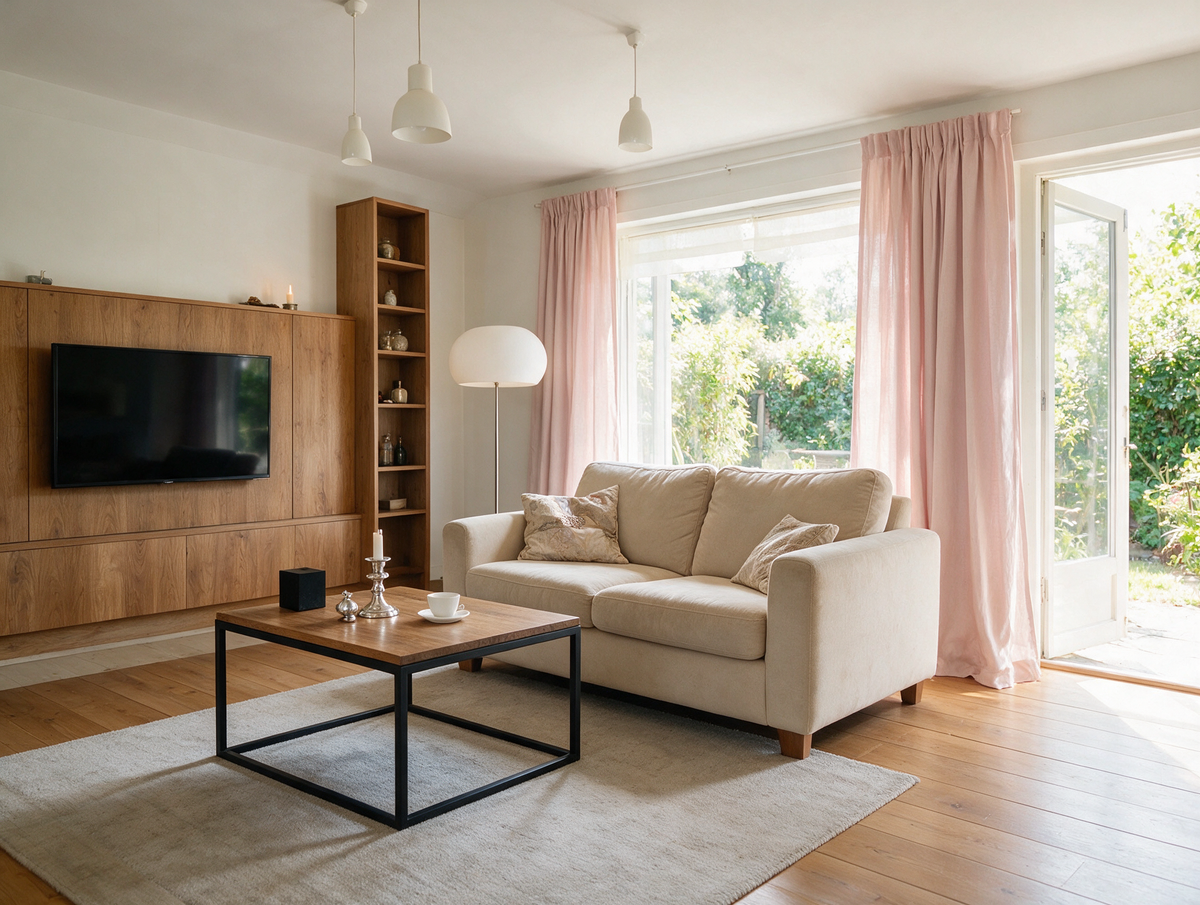
Before you buy a new sofa, it's worth taking a quick look at the variety of shapes. Because just as there are different personalities, there are different sofas – and both need to match.
An overview of the most important sofa types:
2-seater sofa – compact, ideal for small apartments and student shared flats
3-seater sofa – the classic for the living room, space for the whole family
Corner sofa (L-shape) – cozy, spacious, perfect for cuddle evenings
Modular sofa – flexible, grows with life
Sofa bed – sofa by day, bed when needed
Loveseat – small, intimate, for two people and a dog
If you're wondering which sofa to buy – the answer often lies in your own daily life. Do you live alone and love movies? A two-seater is enough. Family with children? A corner sofa that can withstand real romping. Frequent guests? A sofa with a sleeping function.
At Pillovely, you'll find this range in the categories Sofas and Corners – from compact two-seaters to spacious corner sofas for the whole family. For maximum flexibility, take a look at the Modular Sofa Brick – a model that adapts to your space, not the other way around.
A quick checklist for finding the right shape:
Determine the number of regular users
Estimate frequency of visitors
Consider room layout and window/door positions
Think about secondary functions (overnight guest, home office, reading nook)
Some people choose their sofa with their head, others with their gut feeling. Both are correct – as long as the foundation is solid.

The material influences comfort and everyday practicality more than any price difference. Therefore, if you want to buy a good sofa, you should choose consciously – not based on appearance alone.
Fabric – natural, warm, versatile:
Fabric sofas dominate German living rooms for good reason. They are breathable, pleasant on the skin, and available in a huge color palette. Popular fabrics:
Corduroy – warm, soft, a bit retro and currently everywhere again
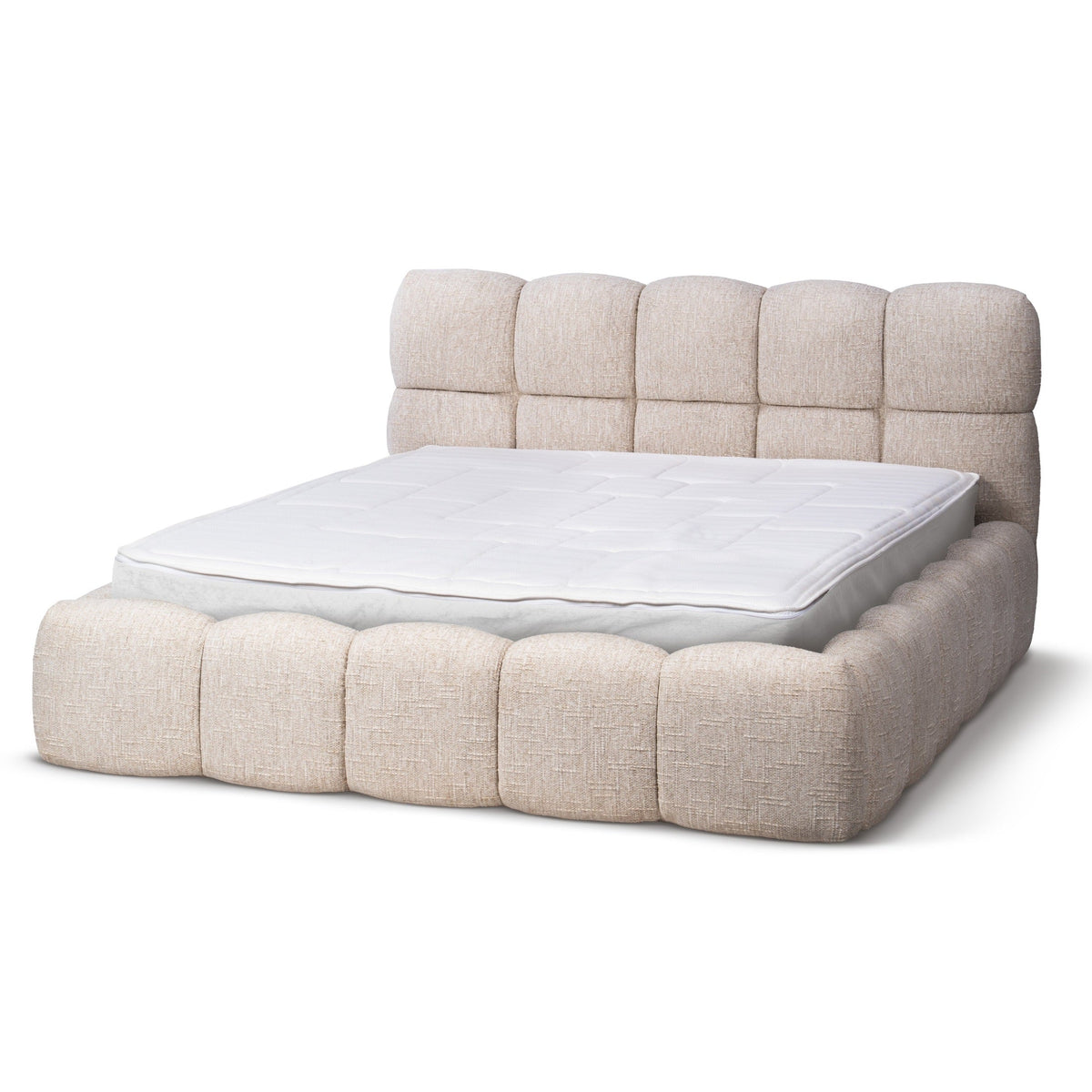
Bouclé – tactilely exciting, very cozy
Linen – natural, timeless, breathable
Woven fabric – robust, easy to clean, suitable for everyday use
Velvet – noble, richly colored, elegant
Leather – durable, noble, classic:
Real leather is more expensive but lasts for decades. It develops a warm patina over the years – like a good leather jacket that gets better with every concert. Disadvantages: cold in winter, sensitive to scratches.
Faux leather – the compromise:
Visually close to leather, significantly cheaper, easy to care for. Disadvantage: Not quite as durable, can tear with intensive use. Ideal if you like the leather look but want to buy budget-consciously. By the way – some speak of a "couch," others of a "sofa." When someone wants to buy a "couch," they almost always mean the same piece of furniture: the term is largely interchangeable in the German-speaking world, even if purist furniture historians like to differentiate.
A practical tip from experience: Before buying a sofa online, order fabric samples. At Pillovely, you can request up to 5 free fabric samples to check the color and feel in your own living room. This prevents expensive mispurchases.
What is best for which everyday life?
Family with small children – durable woven fabric or corduroy in muted colors
Pet owners – dense, smooth fabric, no long bouclé loops
Single household with a focus on optics – velvet or linen in a statement color
Family with a focus on durability – leather or high-quality woven fabric
When buying a sofa, what should you look out for? Always for abrasion resistance. A good upholstery fabric should withstand at least 30,000 rubs. This value is in the product descriptions and is a reliable indicator of quality.
The right sofa size is one of the most common mistakes when buying furniture. Too small looks lost, too large overwhelms the room. The rule of thumb: The sofa should take up about two-thirds of the wall width it stands against.
How to measure correctly:
Draw a floor plan – to scale with doors, windows, and radiators
Mark the sofa placement area – ideally with painter's tape on the floor
Plan walkways – at least 60 cm between the sofa, coffee table, and wall
Check TV distance – ideally 2.5 times the screen diagonal
Check door widths – important for delivery and future moves
Standard sizes for orientation:
2-seater: approx. 150–170 cm width
3-seater: approx. 190–220 cm width
Small corner sofa: from approx. 220 × 160 cm
Large corner sofa: 260 × 200 cm and more
If you have little space, you still shouldn't compromise on seating comfort. Models like the 2-seater sofa Nellia prove that a compact sofa doesn't have to look small. And if you want to design your space flexibly, modular solutions are the perfect answer – you start with two modules and expand later.
A frequently underestimated point: depth.
Seat depth determines the seating character. Classic sofas have a depth of 60–65 cm – ideal for upright sitting. Lounge models offer 90–100 cm – perfect for cuddling and watching movies. Choose the depth that suits your daily life.
A practical tip from experience: Before buying, try lying on a sofa. What may seem like a formality at first often determines ten years of living comfort.
This question is now as old as the internet itself. Both methods have advantages and disadvantages, and the answer largely depends on what is important to you.
Buying a sofa online – the advantages:
Larger selection of models, colors, and fabrics
Convenient from home, no travel time
Transparent prices and reviews from other customers
Usually longer return periods
Often cheaper than in a traditional furniture store
Fabric samples can be conveniently ordered to your home
Buying a sofa online – the disadvantages:
No direct trial sitting (but usually softened by the right of withdrawal)
Waiting time for delivery
Bulky furniture requires good preparation
Buying a sofa in a furniture store – advantages:
Direct trial sitting possible
Personal consultation
Immediate impression of color and fabric
Sometimes immediate takeaway possible
Buying a sofa in a furniture store – disadvantages:
Smaller selection on site
Higher prices due to rent and personnel costs
Aggressive sales behavior possible
Time and travel expense
If you want to buy a sofa that is affordable yet high quality, you'll often find better conditions online. Brands like Pillovely also offer free fabric samples and detailed product descriptions that compensate for the lack of an on-site impression.
An honest piece of advice from our experience: Take your time. A sofa is a long-term investment. Neither impulsive buying in a furniture store nor hasty clicking online is a good idea. Read reviews, order samples, measure twice – and decide with both your head and your gut.
What to look for when buying a sofa:
Material quality (frame, upholstery, cover)
Abrasion resistance of the cover (at least 30,000 rubs)
Warranty and manufacturer guarantees
Delivery conditions and return policy
Cleaning instructions and care tips
A sofa is more than just furniture – it's a part of your story. It stands where friendships are celebrated, where movies that parents watched are replayed, where your favorite record is on repeat. Perhaps it's the place where you and your partner spent your first Sunday doing nothing together. Perhaps it's the piece of furniture where your child falls asleep for the first time.
That's precisely why a sofa should suit you. Not the trend. Not the catalog. But the life you lead. A warm earthy tone, because it reminds you of your grandparents' farm. A deep sage green, because it evokes memories of the holiday apartment where you devoured your first book. Or a rich caramel, because it sounds as warm as that favorite LP that's still playing.
Personalization is at the heart of every good living space decision. Pillovely offers models in over 30 color variations – so your sofa doesn't just decorate your home, but tells your story.

How much should one spend on a good sofa?
A high-quality sofa usually starts at €500–€700. If you want a durable model for many years, you should budget €800–€1300. A cheap sofa is no saving if it's worn out after two years.
How do I recognize a good sofa, what should I look for?
Look for a stable frame (ideally solid wood or reinforced plywood), high-quality HR foam in the upholstery, robust seams, and an upholstery fabric with at least 30,000 rubs.
Which sofa to buy on a small budget?
A 2-seater or a modular sofa with a few elements offers good quality at a moderate price. You can add to it later when your budget or living situation allows.
Is it better to order a sofa online or buy it in a store?
Both methods have their merits. Online, you benefit from selection, price, and convenience. In a store, you can try it out directly. A compromise: research and order online, and return it if you change your mind.
How long does sofa delivery take?
Standard models are usually deliverable within 2–4 weeks. Custom-configured sofas can take 6–12 weeks.
How do I properly care for my new sofa?
Vacuum regularly, treat stains immediately, and flip seat cushions. For fabric, you should permanently avoid direct sunlight to prevent color fading.
If you want to write the next chapter of your home, it's worth taking a look at our collection at Pillovely. From classic sofas to modular seating arrangements and models with a sleeping function – you'll find sofas here that have character and grow with you. Because a sofa is not just a piece of furniture – it's the silent witness to your own story. And that deserves the most beautiful furniture.
Pillovely, where living begins to feel like home again. For all who want more.
If you liked this text, be sure to check out our other inspirations:
What color for the living room? Wall colors and color concepts for a harmonious home
Loveseat - What Is It, Who Is It For and How to Choose the Right One?
A loveseat is one of those pieces of furniture that can completely change how a room works. It is smaller than a classic sofa, more generous than a single armchair and often easier to place in compact interiors. A loveseat can create a cosy sitting area in a small living room, soften a bedroom corner, complete a reading nook or work as an additional seat next to a larger sofa. Its strength lies in proportion: it gives you the feeling of a sofa without taking over the whole room.
Read moreabout Loveseat - What Is It, Who Is It For and How to Choose the Right One?
EU vs UK Bed Sizes – Will UK Bedding Fit a European Bed?
European beds are 200 cm long, UK beds 191 or 198 cm. A simple EU vs UK bed size table in cm – and what it means for your mattress and fitted sheets.
Read moreabout EU vs UK Bed Sizes – Will UK Bedding Fit a European Bed?
Autumn colors at home – shades that bring peace and warmth
Do you remember autumn from your childhood, when the leaves changed color like a kaleidoscope, and your mom would pull out the pumpkin-colored sweater she'd worn since college? Or those evenings in front of the TV while a storm raged outside, and the lamplight in the house gave everything a warm, amber hue? Those were the days when no one talked about "color palettes" or "color stories"—colors simply existed, as natural as breathing. Today, when we can choose from 50 shades of gray (and no, I'm not talking about THAT book), we sometimes lose track of what truly makes a home feel cozy. At Pillovely, we believe that autumn colors aren't a trend—they're a return to what makes us feel safe. Because "You are someone"—someone who deserves a space filled with colors that snuggle like a grandma's blanket.
Read moreabout Autumn colors at home – shades that bring peace and warmth



Share:
What Color for the Living Room? Wall Colors and Color Concepts for a Harmonious Home
Buying a wardrobe – what types are there and how to choose the right model?